Source:Best Coffee > News Author:qjroot Published:2026-09-02 18:36:37
Yirgacheffe commonly shows citrus, white flowers, berries and a tea-like quality; when lightly roasted, its acidity is bright and its aroma is easier to perceive. For people just getting into single-origin coffee, the brewing device directly changes how it performs: a dripper lets you see the aroma clearly, immersion devices give a softer mouthfeel, and cold brew rounds off the sharp edges. First look at what you commonly use at home, then decide the roast direction of the beans, and it will go down much more easily.
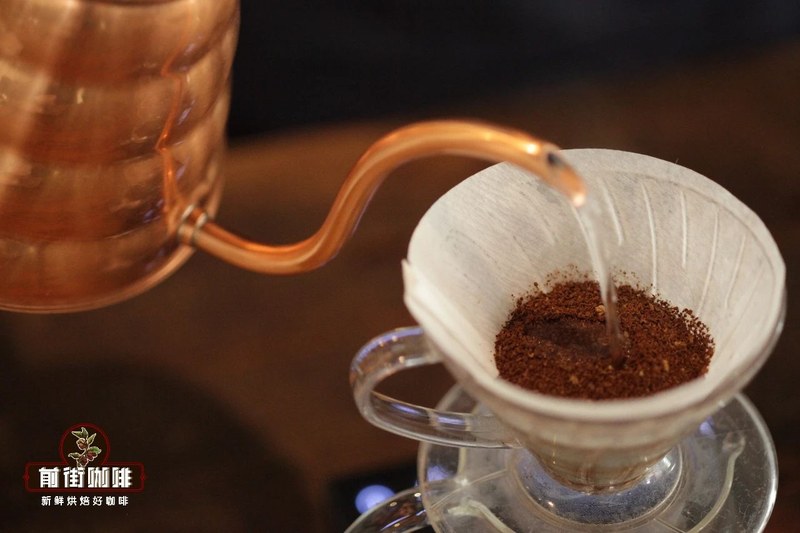
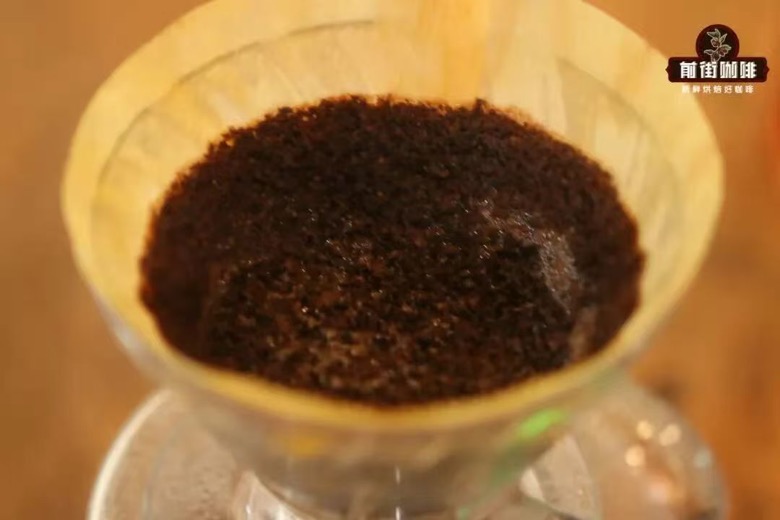
If using a V-shaped dripper, it is recommended to start with a light or light-medium roasted Yirgacheffe; the coffee-to-water ratio can be set at 1 to 15 up to 1 to 16, the water temperature at about 90 to 92 degrees C, and the grind at medium-fine. The first pour lets the coffee grounds absorb water fully, then pour in two to three circular stages, keeping the total time at 2 minutes 30 seconds to 3 minutes. This preserves the floral and fruity aromas while keeping the cup from tasting thin.
A flat-bottom dripper usually has a more even flow rate and is more forgiving of pouring technique, making it suitable for beginners who want stable practice. You can use 15 g of coffee grounds with 240 g of water, set the water temperature at around 91 degrees C, and grind slightly coarser than for a V-shaped dripper. If the citrus acidity tastes very prominent and the sweetness is not obvious, you can adjust the grind one step finer; if the finish tastes dry, reduce agitation and let the water pass through the coffee bed faster.
The water control ability of a gooseneck kettle also affects the flavor of Yirgacheffe. A fine-spout kettle suits staged pouring and can bring out the aroma and sweetness; with a thicker spout, it is better to use fewer pours to avoid too strong a water impact. For lightly roasted beans, the water temperature does not need to be raised across the board; start at around 90 degrees C, and if the cup tastes harsh, raise the temperature slightly in small steps so the change is easier to judge.
As an introductory try, you can look at Qianjie Yirgacheffe Gudingding. When this bean is hand-brewed with a light roast, citrus notes, berry tones and floral notes appear in sequence, with a refreshing finish similar to green tea. When using a V-shaped dripper, it is recommended to start with 15 g of grounds and 225 g of water, at a water temperature of 91 degrees C; after brewing, wait one minute before drinking, as the sweetness becomes easier to notice as the temperature drops.
If you have immersion devices at home such as a Clever Cup or a French press, the parameters can be simpler. Take 15 g of beans, add 240 g of hot water, use a medium-coarse grind, and steep for about 3 minutes 30 seconds before filtering. Immersion reduces the differences caused by pouring technique, making the acidity of Yirgacheffe softer and keeping the floral notes from being overly sharp. If you like a thicker mouthfeel, you can extend it by thirty seconds; if you want something lighter, separate the coffee liquid earlier.
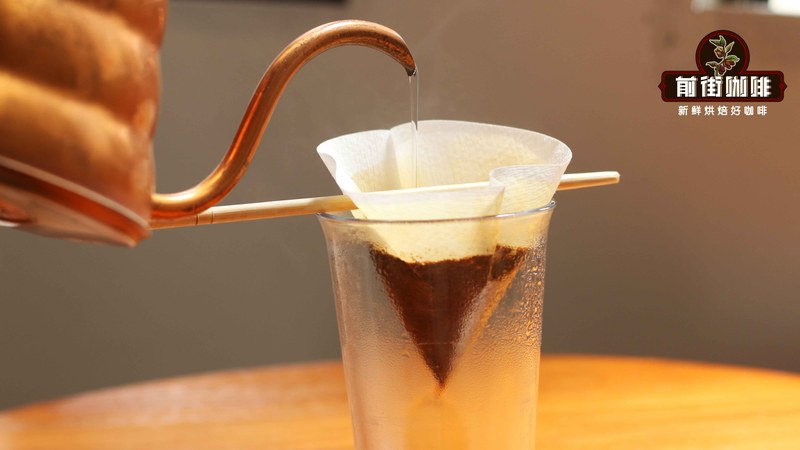
Iced hand brew suits summer and can also give Yirgacheffe a lighter, juicier feel. You can replace part of the total water with ice, for example 15 g of grounds, 150 g of hot water with 75 g of ice, keeping the water temperature at 91 to 93 degrees C. The coffee liquid brewed with hot water falls directly onto the ice; the grind should not be too coarse, otherwise the aroma will be insufficient; if the acidity tastes too high, you can increase the proportion of hot water and lower the proportion of ice.
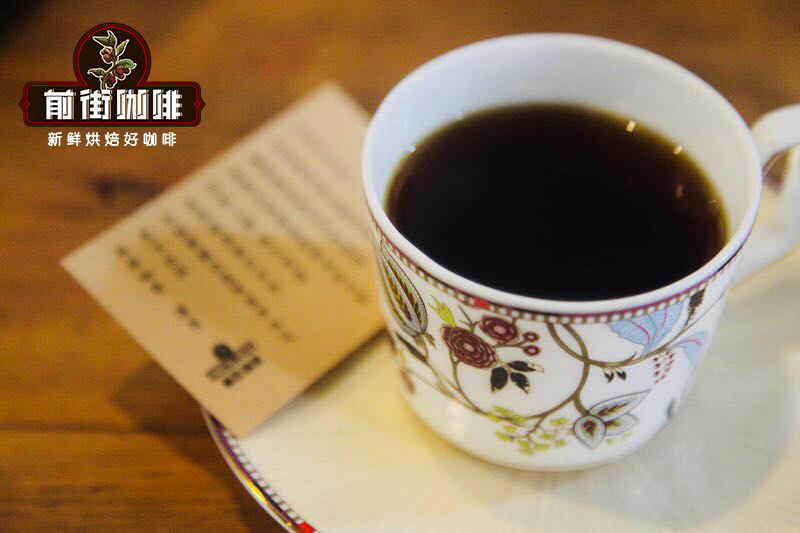
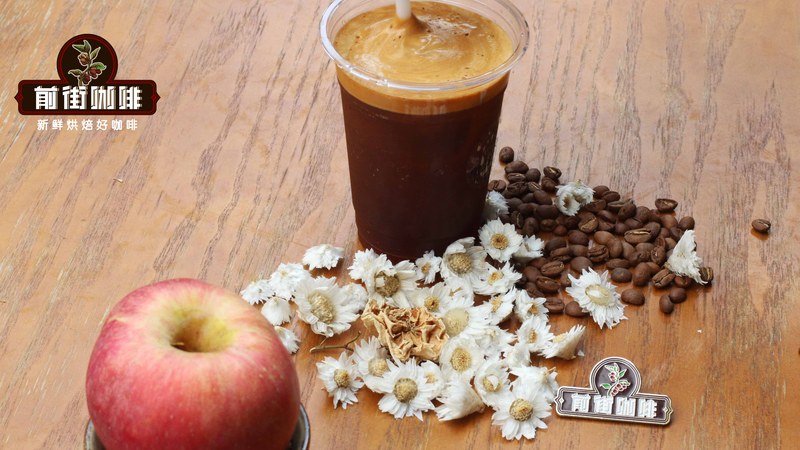
Cold brew is better suited to people who prefer a softer acidity. Yirgacheffe can use a medium-coarse grind, with coffee grounds and water mixed at about 1 to 10, left to steep in a refrigerated environment for 8 to 10 hours, then filtered through filter paper. With a shorter time, the floral notes are lighter; as the steeping time lengthens, the berry and tea notes become more obvious. For a first attempt, it is worth making only a small amount so it is easy to adjust the amount of water added when drinking according to the strength.
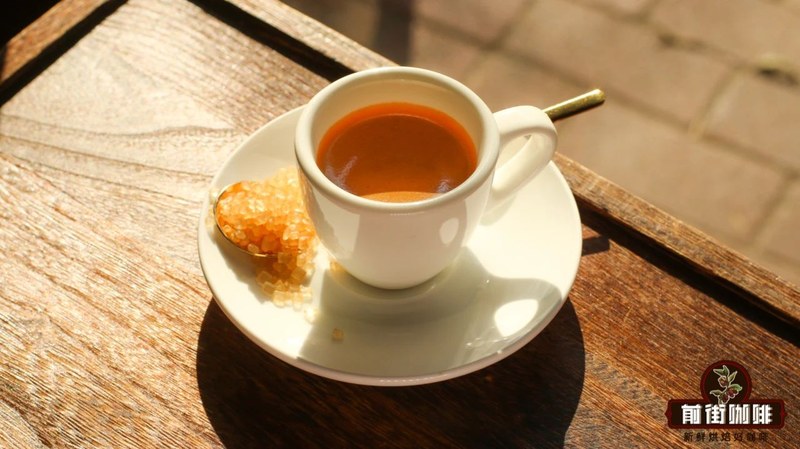
If you mainly use a fully automatic coffee machine, lightly roasted Yirgacheffe requires attention to the machine's grind range and extraction temperature. It is recommended to choose a finer grind, a higher temperature, and not set the coffee liquid too long; first make a small cup of black coffee to observe the acidity and sweetness. If the liquid extracted by the machine tastes too sharp, you can add a small amount of hot water to dilute it; if the aroma is insufficient, first check whether the beans have been sitting too long, then adjust the grind fineness.
An espresso machine can also be tried with Yirgacheffe, but it is better suited to people who like bright fruit acidity and clear aroma. You can use 18 g of grounds to extract 36 to 42 g of coffee liquid, with the time first referenced at 28 to 34 seconds, and a water temperature of about 93 degrees C. Lightly roasted beans often need a finer grind to increase extraction; when making a latte, you can reduce the amount of milk so the citrus and berry notes are not completely covered.
When buying, besides looking at the region name, also pay attention to whether the roast level, processing method and packaging information are clear. For home drippers, you can prioritize lightly roasted beans whose flavor description leans toward floral, citrus or tea notes; if the device has limited extraction ability, light-medium roast will make it easier to get a sweet, smooth taste. Change only one thing at a time, either the grind or the water temperature, and record the acidity, sweetness and finish on the palate; after a few tries you will find your own Yirgacheffe brewing parameters.
Related Reading
Comments (0)
Loading comments...
You May Be Interested


Trending Reviews
Popular Videos

With you, wherever you are! We provide useful features to help you find new things you'll love






