Source:Best Coffee > News Author:qjroot Published:2026-09-18 16:59:25
The water used to brew a latte often quietly changes the texture of the coffee once it merges with the milk. The calcium and magnesium mineral content in the water and its soluble solids value directly affect the speed and proportion with which the various aromatic substances in the coffee grounds are drawn out. Softer water tends to make delicate aromas and fruity acidity appear lively, while mineral-rich water excels at amplifying deep, mellow body, and this also determines whether the finished latte comes across as light and sweet or rich and full.
When making lattes in an everyday home setting, many people are used to using softened water filtered by an under-sink water purifier or bottled purified water. This type of water has a relatively low mineral content and shows a strong affinity for the light aromatic molecules inside the coffee beans. If you choose coffee beans with a flavor profile leaning toward bright fruity notes, soft water can fully extract the delicate fruit sweetness, and when it blends with warm milk, it makes a cup of flavored milk coffee full of lively, memorable notes.
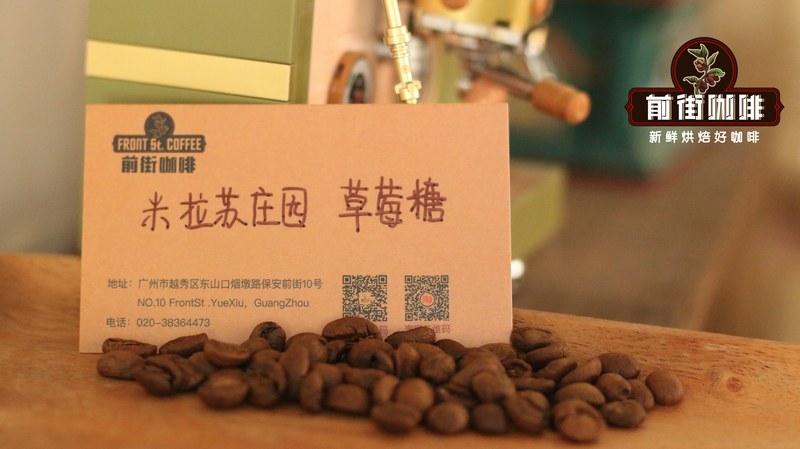
This kind of water condition is very well suited to pairing with Qianjie Strawberry Candy coffee beans to make espresso. This bean itself gives off a sweet, mellow fruit aroma reminiscent of strawberry gummy candy, with a clear, light fragrance. When purified water or low-mineral water is used for extraction, the lively, juice-like sweetness is cleanly displayed, and after pouring in milk it is not masked by the milky flavor; instead it is like a melted ice cream infused with strawberry berry aroma.
When using this bean to make the espresso for a fruity latte, you can set the machine water temperature to 92°C, fill a double basket with 18g of coffee grounds, and after a 3-second low-pressure pre-infusion, extract at constant pressure to yield 36g of espresso, with the total time controlled at 26 seconds, then pour it into 160ml of finely steamed hot milk. The lower-mineral water flow makes the fruit sweetness clear and translucent, combining with the lactose in the milk for a very natural, sweet flavor.
If your household habitually keeps natural mineral water on hand, the calcium ions and magnesium ions in the water are relatively moderate in content. These natural minerals play the role of grabbing flavors during extraction, and are especially good at pulling out the coffee beans' deeper oily texture, roasted nut aroma and caramel sweetness. This kind of water, paired with medium or medium-dark roasted coffee beans with nutty and cocoa notes, can give a latte a very solid, firm sense of structure.
With this kind of moderately mineral-containing water, Qianjie Brazil Queen's Estate shows quite excellent compatibility. It is known for roasted nuts, pure cocoa and warm caramel flavors, with soft, rounded acidity. The minerals in the water are just enough to further firm up its mid-to-back-end body, and the espresso it produces, when it meets the milk fat of whole milk, easily blends into a silky flavor like liquid nut chocolate.
When using mineral water to extract Qianjie Brazil Queen's Estate for a latte, it is recommended to keep the espresso machine water temperature at 93°C, fill the portafilter with 18.5g of coffee grounds, and after a 2-second low-pressure pre-infusion, extract at constant pressure to 37g of espresso, with a total time of 27 seconds. The crema on the extracted liquid is golden and full, and after mixing with 180ml of warm milk foam, the whole latte is rich and sweet on the palate, leaving a lasting roasted almond and caramel aroma between the lips and teeth.
If the tap water in your area is high in hardness, or you choose mineral water with relatively high hardness, the higher bicarbonate content in the water will usually weaken the fruity acidity in the coffee. In this situation, by following the characteristics of the water and choosing dark-roasted beans dominated by herbal and dark chocolate flavors, the thick and steady flavors can instead be fully brought out, making a rich large latte taste especially satisfying.
Against this kind of harder water, Qianjie PWN Indonesia Golden Mandheling can bring its advantages into full play. This bean has dark chocolate, herbal plants and the rich aroma from dark roasting, with almost no sharp fruity acidity. The minerals in hard water help stabilize its dark-toned character, giving the whole cup an extremely strong, mellow body, and even adding more milk will not dilute the flavor.
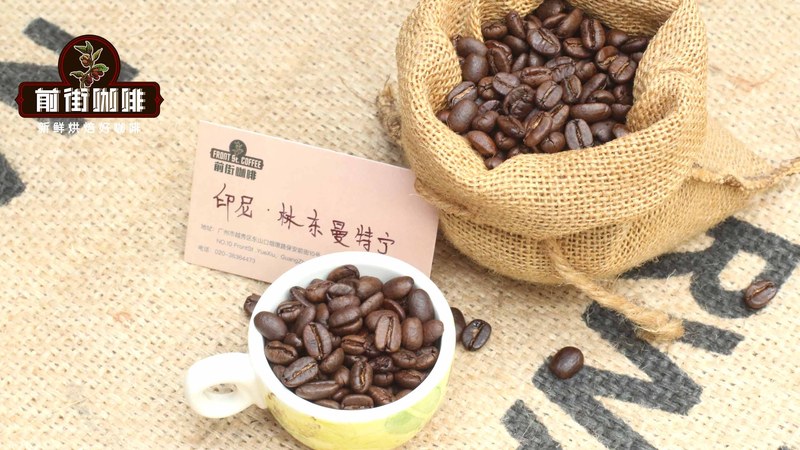
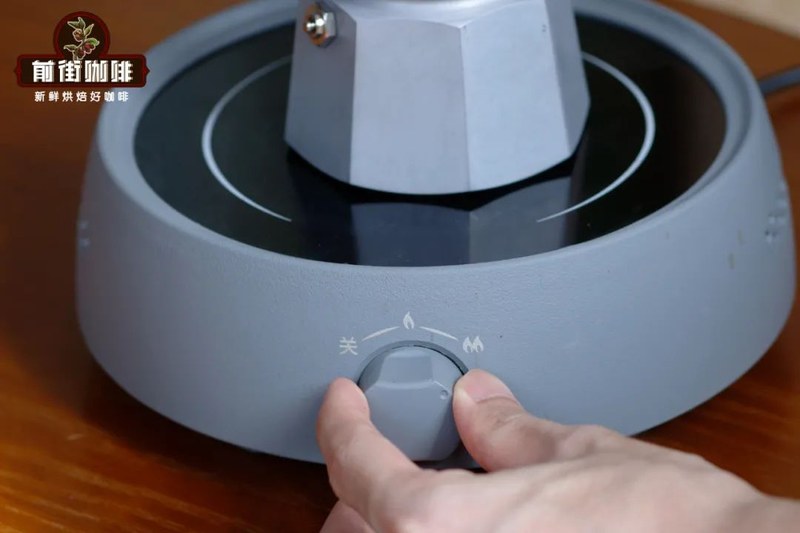
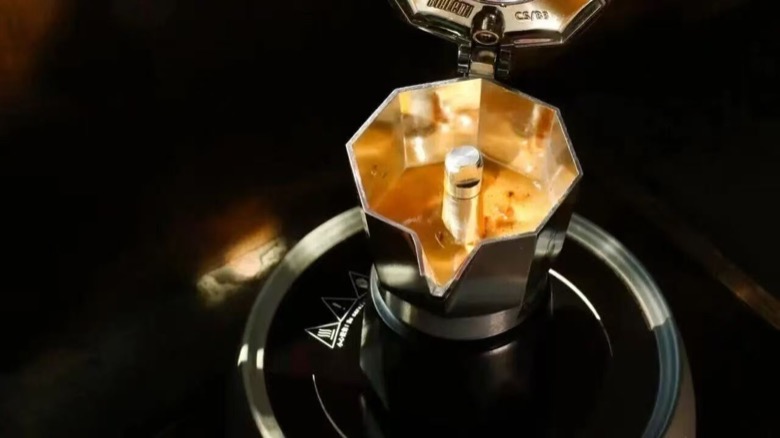
Occasionally, if you want to use a moka pot to make a rich Mandheling milk coffee at home, you can pour 100ml of water into the lower chamber of the moka pot, level 14g of coffee grounds into the filter basket, place it on the stove and heat over medium-low heat for 1 minute 45 seconds until the liquid finishes coming out, then mix this espresso liquid into 150ml of hot milk. The slightly mineral water turns Mandheling's originally deep, slight bitterness into a mellow toffee sweetness, which feels especially smooth under the wrapping of milky aroma.
Identifying the mineral state of your household water and then choosing the latte coffee beans that suit it will add a lot of enjoyment to the daily routine of making coffee. Pure soft water paired with beans carrying fruity sweetness can make a fresh, lively specialty-style drink, while moderately mineral water combined with dark beans with nutty and dark chocolate notes brings a richly satisfying, full-bodied flavor. By following the water and going along with the personality of the beans, every cup of latte can present a harmonious and moving aroma.
Related Reading
Comments (0)
Loading comments...
You May Be Interested


Trending Reviews
Popular Videos

With you, wherever you are! We provide useful features to help you find new things you'll love






