Source:Best Coffee > News Author:qjroot Published:2024-11-08 18:52:20
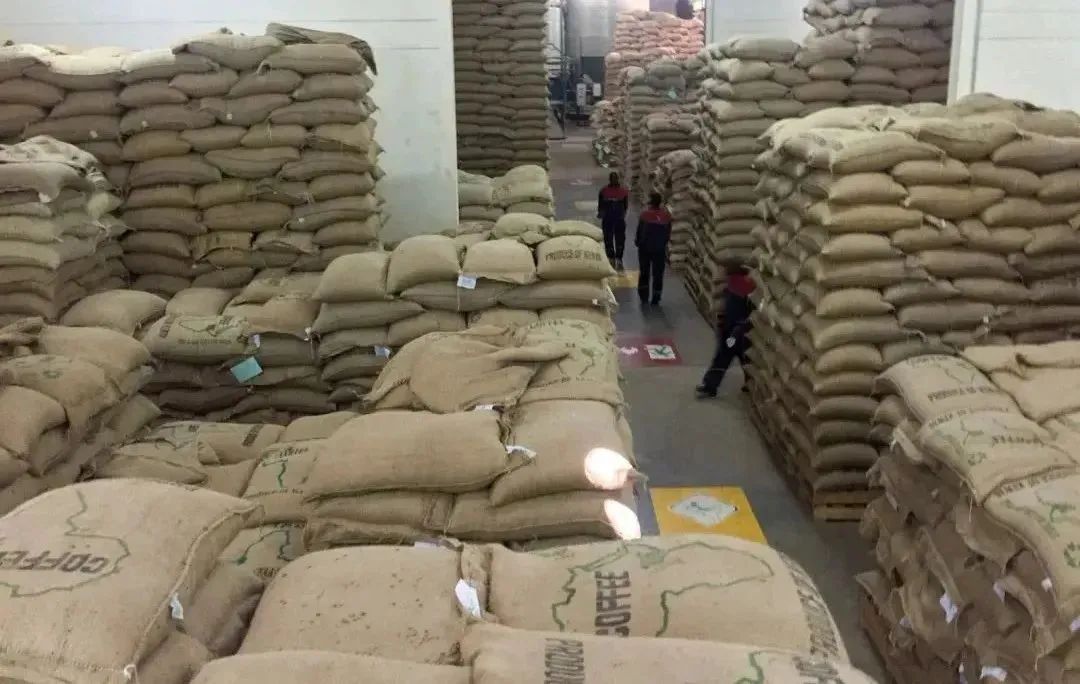
According to Kenyan media reports, a technical failure in the Kenya Revenue Authority (KRA) Integrated Customs Management System (iCMS), which remained unresolved for five consecutive days, has severely affected operations at Mombasa, Kenya's largest port, leaving coffee and tea worth billions of Kenyan shillings unable to be exported and stranded at the port. In addition to coffee and tea, traders in other industries have also suffered losses because the system failure brought business to a standstill.
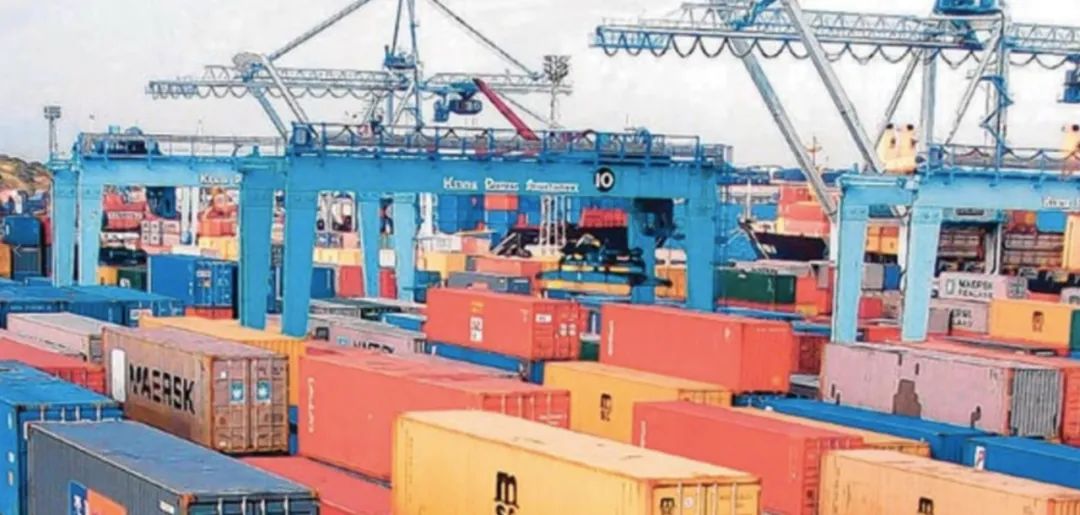
It is reported that the Customs Management System (iCMS) is a new system Kenya began rolling out in 2019 to replace the Simba system that had been in use for 12 years, and it added new functions such as automatic valuation benchmark assessment, automatic release of goods through the green channel, and importer confirmation and declaration, and it has also become the only system currently used for the submission of import and export documents. Therefore, when a system failure occurs, it severely affects import and export operations at the ports. At present, the Kenya Revenue Authority is calling on traders to suspend document submission until the system is restored, and has apologized to customers.
According to some local exporters, coffee and tea have not been shipped from the ports in time, some cargoes have missed their scheduled transport, and the system problems have caused multiple ships to leave empty, resulting in huge losses. They therefore warned that if the system failure continues, Kenya will face billions of Kenyan shillings in export losses. In addition, Kenya may be regarded as an unreliable supplier, hampering the development of multiple national industries.
It is understood that this is not the first time this situation has occurred. As early as April 2023, the Kenya Customs electronic portal once suffered a failure, and the failure lasted for a week. Because customs clearance could not be carried out, a large number of goods were stranded at ports, yards, and airports, with Mombasa Port being the most severely affected, causing nearly several billion US dollars in losses to importers and exporters.
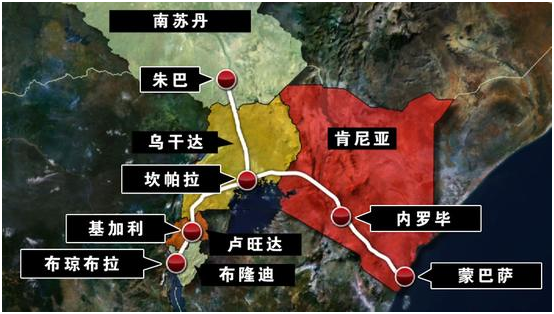
In addition, Mombasa Port is the largest port in East Africa, a distribution center for Kenya's import and export goods, and an important maritime gateway serving central and eastern Africa. Its business covers many countries and regions such as Tanzania, Uganda, Rwanda, Burundi, South Sudan, and Ethiopia. Therefore, in addition to affecting Kenya's import and export business, this incident also affects trade in other African landlocked countries.
These East African countries mainly export coffee and other agricultural products, but at present, due to a system failure, the goods are stranded at the ports and cannot be exported, which has also led to a backlog of inventory and increased storage fees. In addition, the freshness and quality of agricultural products will be affected, and agricultural products that are not easy to preserve may deteriorate after being stored for a long time.
Before this, quite a few problems had already appeared at the Port of Mombasa. Earlier reports pointed out that because the Houthi armed forces attacked commercial ships in the Red Sea region, shipping companies and vessels could only choose to detour to southern Africa, so the volume of ships and cargo handled at the ports of Kenya and Tanzania also increased substantially.
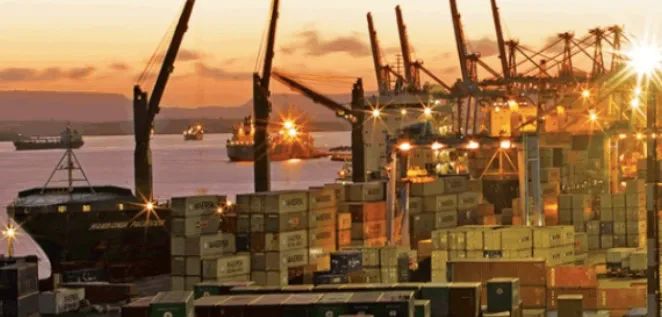
However, the infrastructure at Kenyan and Tanzanian ports has not increased accordingly, leading to cargo pile-ups and sustained vessel congestion at the ports, and ultimately a decline in port operating efficiency. The current system failure has also exacerbated the problem.
According to recent data from the Nairobi Coffee Auction Center in Kenya, the latest coffee sold at 261 USD per bag (50 kg), higher than the previous price of 251 USD per bag, setting the highest price record of the year. Kenyan coffee auction prices have risen, but international coffee futures prices have fallen recently, indicating strong demand in the international market for high-quality Kenyan coffee.
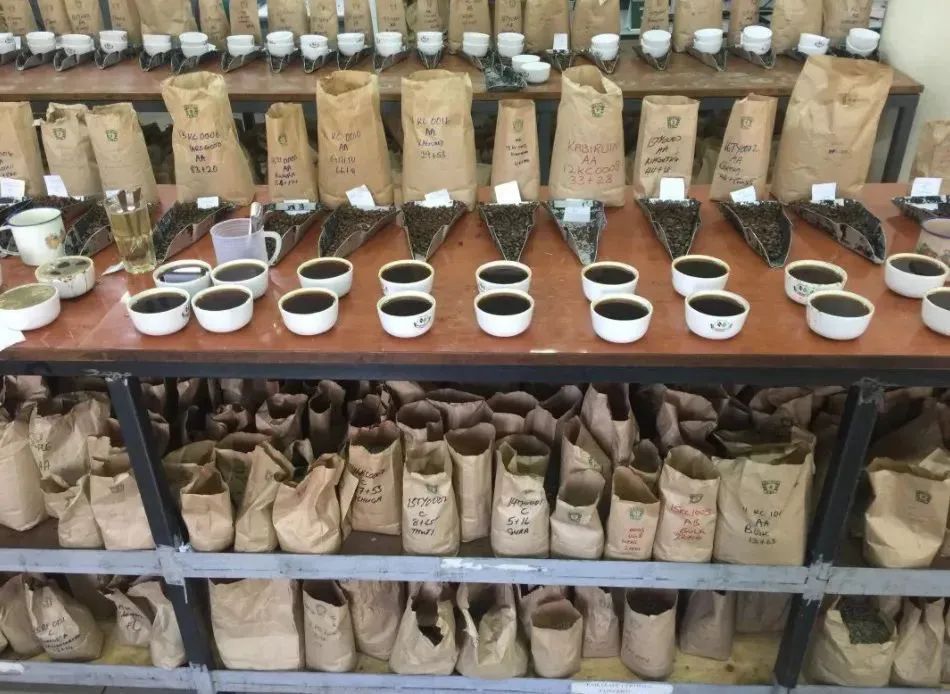
Although Kenya has reported growth in coffee exports and export earnings this year, domestic producers still face rising prices, shrinking planted area and other problems. The current export problems are likewise hampering the development of industries such as coffee; port delays have caused significant losses for traders and have had a negative impact on the competitiveness of Kenyan coffee and other products.
To learn more about coffee origins, please scan the QR code to follow: Coffee Review
Long-press the QR code to follow:

Related Reading





Comments (0)
Loading comments...
You May Be Interested





Trending Reviews
Popular Videos

With you, wherever you are! We provide useful features to help you find new things you'll love






