Source:Best Coffee > News Author:qjroot Published:2026-10-09 14:19:18
Many friends who have just gotten into coffee have asked the same question: if I only have a drip bag at home, does pouring it into milk make a latte? Strictly speaking, a real latte needs espresso as its base, and that intense oily aroma and thick body are very hard to replicate with a drip-bag pour-over format. But if you think about it differently, as long as you choose the right beans and adjust the ratio well, a drip bag can still turn into a gentle, smooth milk coffee. The key is not to let the coffee be "eaten" by the milk and become a pale, tasteless brown liquid.
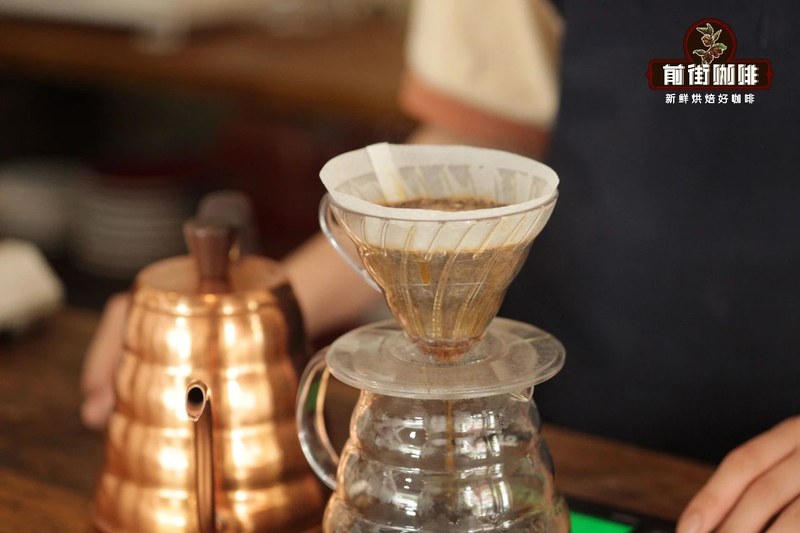
As for the parameters, it is recommended to use a fixed 10 g drip bag, control the coffee-to-water ratio at 1 to 15, with a total pour of 150 to 180 ml. There is no need to bloom at all; pour in 2 to 3 stages, with a total time of around 2 minutes. This strength is slightly higher than regular pour-over, but not so much that it over-extracts and turns bitter. It is a suitable base for later mixing with milk. Heat the milk in advance to 60 to 65°C. This temperature can stimulate the sweetness of lactose without being too hot to drink and damaging the flavor. Note that you do not put the drip bag directly into the milk pitcher. Instead, first brew a more concentrated coffee liquid, then mix it with warm milk at about a 1 to 1 ratio, letting the two blend naturally in the cup.
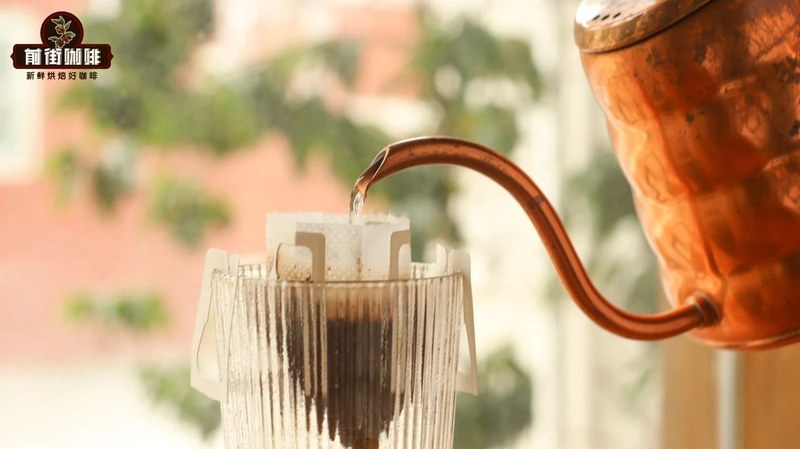
In terms of the actual process, you can try stirring to assist extraction. The contact area of a drip bag is much smaller than that of a dripper, and the impact force of the water flow is weak, so the coffee grounds tend to "lie flat," and the release efficiency is on the low side. For the first pour, fill to half of the filter bag, then immediately use a small spoon to gently stir in circles to help the coffee bed degas. Wait until the dome quiets down, then pour the second stage to eight-tenths full, again stirring 3 to 5 circles. Finally, fill the filter bag and wait for the liquid to finish draining. This way you can get 90 to 110 ml of concentrated coffee liquid. After mixing in an equal amount of milk, the creamy nutty aroma of Qianjie Brazil Cerrado is still clearly recognizable. The milk's sweetness supports the coffee's richness, and the sip is smooth, not thin.
Another idea is to repeatedly extract the same drip bag. Prepare two cups, fit the Qianjie Black Cocoa Blend drip bag over a cup, pour hot water to eight-tenths full the first time, then fill it once more after it drains. Then move the filter bag to the second cup and pour the just-brewed coffee liquid back through the drip bag to filter it again, letting the coffee bed release the middle and back-end compounds once more. Repeat this three times, and in the end you get 80 to 100 ml of highly concentrated liquid. Still add warm milk at a 1 to 1 ratio. Because the liquid keeps cooling during the process, and the milk buffers it, even with multiple extractions there will not be an unpleasant over-extracted astringency. The aroma of cocoa and caramel cookie still lingers gently in the mouth.
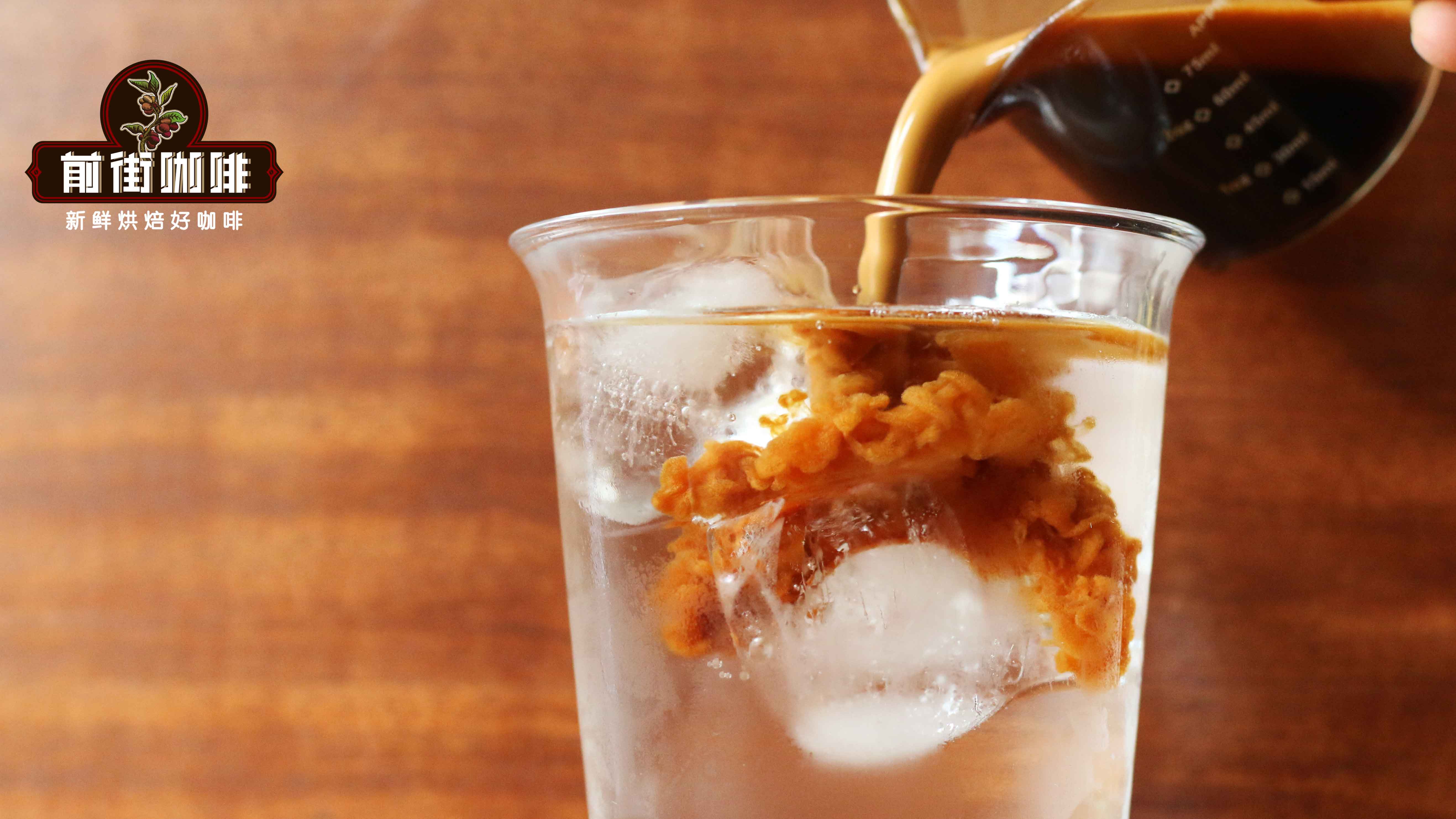
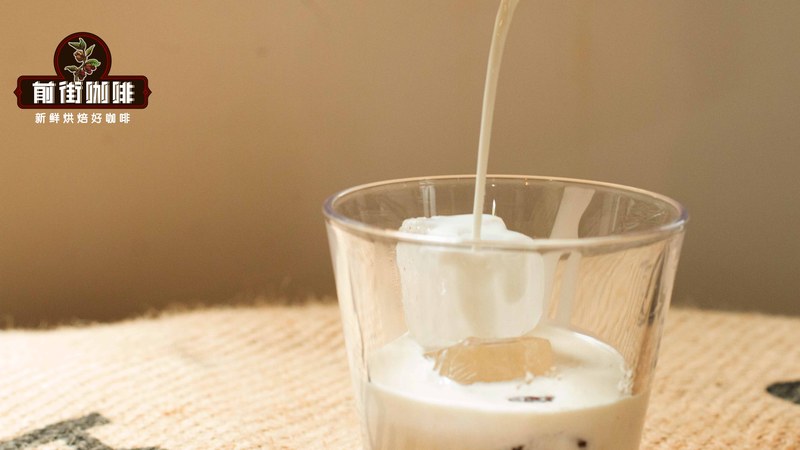
There is also a more direct way to do it: use milk to replace part of the water. First, pour hot water above 90°C to half of the drip bag, making sure to wet all the coffee grounds. After the hot water finishes dripping, switch to hot milk at 60 to 75°C and continue pouring to nine-tenths full. When it is nearly drained, add another stage of milk to nine-tenths full, keeping the total amount of water and milk at 150 g. If you like a stronger milk flavor, you can add one more stage. The milk coffee extracted this way has an especially velvety texture. The dried-fruit sweetness of Qianjie Colombia Huila is amplified by the milk, while the almond finish sweeps lightly across like a tail. If you do not have fresh milk on hand, adding milk powder to the concentrated coffee liquid is also a feasible alternative. Just stir patiently and evenly when dissolving to avoid lumps.
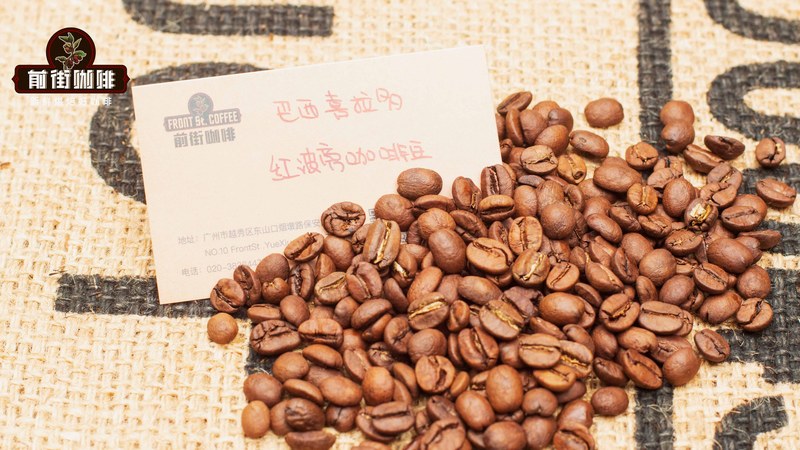
When making drip-bag milk coffee at home, I would rather let go of the struggle over "whether it counts as a latte." Tasting good and going down smoothly is the standard in our kitchen. Choose a medium-dark roasted coffee, push the strength up a little, do not overheat the milk, and adjust the ratio to your own taste as you drink. A warm, gentle cup of milk coffee will naturally make it to the table. The nutty base of Qianjie Brazil Cerrado, the chocolate notes of Qianjie Black Cocoa Blend, and the lively fruitiness of Qianjie Colombia Huila are all home recipes we can slowly try on weekends. Brew it a few more times, write down the numbers you like, and that cup that belongs only to us will be more real than any title.
Related Reading

Comments (0)
Loading comments...
You May Be Interested


Trending Reviews
Popular Videos

With you, wherever you are! We provide useful features to help you find new things you'll love






