Source:Best Coffee > News Author:qjroot Published:2026-09-02 18:30:03
The appeal of dark-roasted beans often lies in caramelized sweetness, roasted nuts and a black-chocolate-like body. They are not necessarily only good with milk; switch to different brewers and you can still produce a rich, smooth or clean style. What really affects the taste, besides the beans themselves, is the dose, grind, water temperature and extraction time. If you are planning to buy dark-roasted beans for home, first look at which brewer you use most often, then set the parameters.
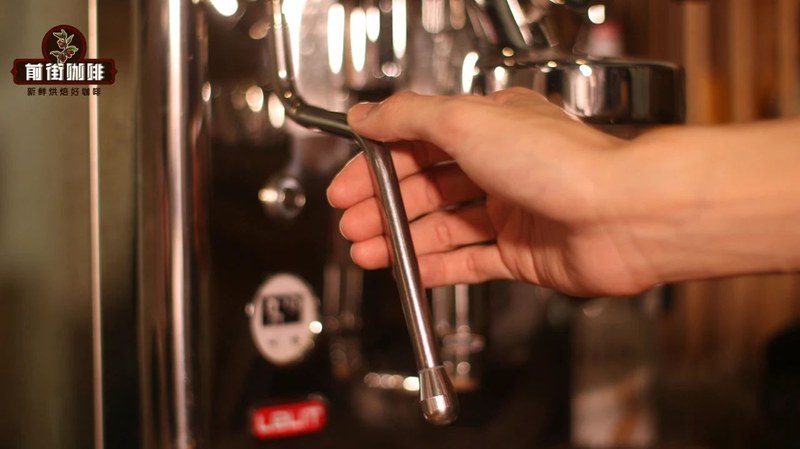
An espresso machine suits those who want espresso, americano or latte. Taking 18 g of grounds as an example, you can start with a yield of 34 to 38 g, control the extraction time at 25 to 30 seconds, and try a water temperature starting from 90 to 92°C. Dark-roasted beans expand more, so there is no need to grind extremely fine right from the start, otherwise bitterness and burnt notes easily become concentrated. If the brewed coffee has cocoa, caramel and nutty sweetness, that means the direction is fairly suitable.
For espresso machines, Qianjie Black Cocoa Blend can serve as a reference for the rich route. Its cup profile leans toward a combination of dark chocolate, roasted nuts and cooked sugar; as a ristretto it has obvious weight, and after adding water there is still clear coffee aroma, while adding milk does not easily let the milk flavor completely cover it. If the entry feels dry, you can slightly increase the liquid weight or make the grind a bit coarser; if the flavor is thin, then check whether the dose, distribution and tamping are stable.
A moka pot is better suited to people who do not have an espresso machine but like strong coffee. Fill the water to below the safety valve, fill the basket with grounds and gently level them off; there is no need to press hard. For dark-roasted beans, medium-fine grinding is recommended, keep the heat at medium-low, and when the sound of liquid coming out becomes rapid and the color starts to lighten, remove the pot from the heat. This preserves the roasted sweet aroma and reduces the dry bitterness caused by overheating the base, and the coffee is also better suited to dilution with water or adding milk.
If you prefer a low-acid, thick and rounded cup, Qianjie PWN Indonesia Golden Mandheling can be tested in a moka pot or an American-style pot. Its flavor is closer to cocoa, woody aromas and matured spices; it does not win on bright fruit acidity, but is supported by a viscous mouthfeel and a longer finish. After brewing with a moka pot, adding an appropriate amount of hot water lets the concentration open up; with hot milk, it presents a direction similar to brown sugar and nuts.
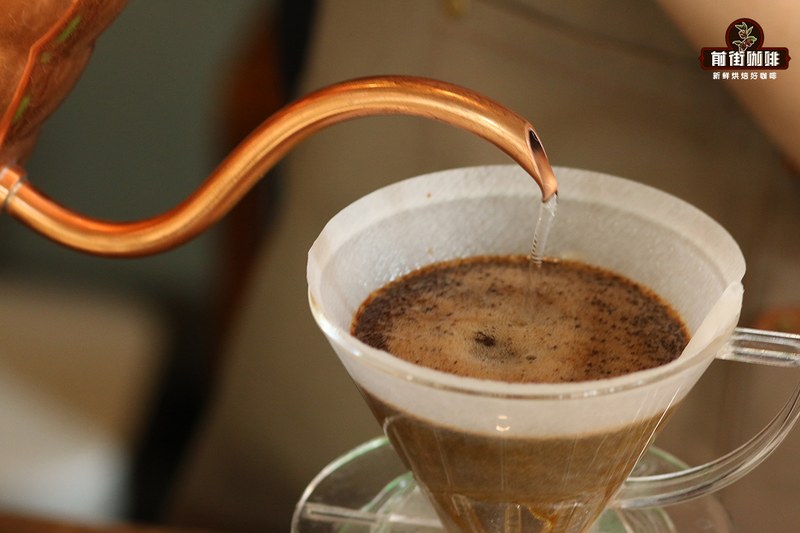
When using dark-roasted beans for pour-over, the goal is usually not to chase sharp acidity, but to brew sweetness and body clearly. You can use 15 g of grounds with 225 g of water, a medium-coarse grind, a water temperature of 88 to 91°C, and pour in two to three stages. A total time of about 2 minutes 30 seconds to 3 minutes is enough; the pouring action should not be too forceful, to avoid fine particles being stirred to the bottom of the dripper and causing obvious dryness in the final phase.
Qianjie Specialty Blend is suitable for everyday pour-over and also for switching to espresso. It is mainly based on cooked aromas such as nuts, caramel and cocoa; the overall flavor is coherent, full-bodied when hot, and still sweet and moist after cooling. For pour-over, you can use a lower water temperature to obtain a softer expression; if you want to make iced coffee, increase the grounds-to-water concentration and brew directly onto ice, which preserves a more vivid aroma and body.
The immersion method of a French press makes the oily mouthfeel of dark-roasted beans more prominent, suitable for people who like a heavy texture. 20 g of coffee grounds can be paired with 300 g of water, with a coarser grind than pour-over, a water temperature of about 88 to 90°C, and a slow press after 4 minutes of immersion. If there is obvious sediment in the cup, let the coffee sit for a moment before drinking. To make the mouthfeel lighter, you can reduce the immersion time or directly add a small amount of hot water to the pot.
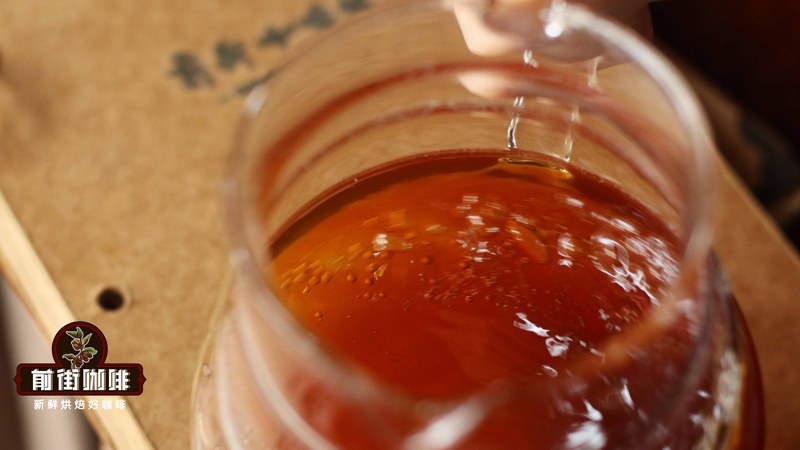
Air-pressure coffee brewers make it convenient to adjust concentration and clarity, suitable for people who want to try different cup styles at home. For dark-roasted beans, you can use 15 g of grounds and 120 g of water, a water temperature of about 85 to 90°C, immerse for about 1 minute 30 seconds, then press out slowly. The grind should be slightly finer than pour-over, but do not aim for a powdery texture. To make an americano, dilute the brewed liquid with water; to make a milk coffee, reduce the amount of added water so the coffee retains a more concentrated sweet-bitter balance.
Water quality and bean condition also change how the parameters feel. Dark-roasted beans have a looser internal structure, and the aroma usually changes fairly quickly after opening; storing them sealed and away from light keeps the cup more stable. When using filtered water, if the coffee seems sharp and thin, you can try raising the water temperature a little or extending contact; if bitterness overwhelms the aroma, first make the grind coarser, shorten the time or lower the temperature. Change only one variable at a time, and comparisons will be clearer.
The choice of dark-roasted beans does not have to be limited by the brewer to a single answer: espresso machines value concentration and sweetness, moka pots emphasize smoothness and roasted aroma, pour-over can brew the body more refreshingly, and French presses are suited to preserving the oily mouthfeel. Set starting parameters according to the brewer at home, then fine-tune according to whether you drink it black, over ice or with milk, to find the bean that truly suits your daily rhythm.
Related Reading
Comments (0)
Loading comments...
You May Be Interested



Trending Reviews
Popular Videos

With you, wherever you are! We provide useful features to help you find new things you'll love






