Source:Best Coffee > News Author:qjroot Published:2026-09-12 18:09:11
Single-origin coffee beans have a distinct terroir personality, and the key to fully bringing out the floral and fruity aromas and gentle sweetness contained in each bean is to match precise extraction parameters to the bean's flavor characteristics. Whether it is pour-over or espresso machine, subtle changes in water temperature, coffee-to-water ratio and pouring rhythm will directly affect the layered expression of flavor in the cup.
For light-roasted single-origin beans that emphasize delicate floral aromas and fine fruit acidity, special attention must be paid during extraction to controlling water temperature and pouring gentleness, avoiding excessively high temperatures that suppress the delicate aroma molecules. Such beans usually have higher internal density, and an appropriate grind fineness combined with gentle staged pouring allows hot water to evenly penetrate the coffee bed, bringing out a clear and pure cup performance.
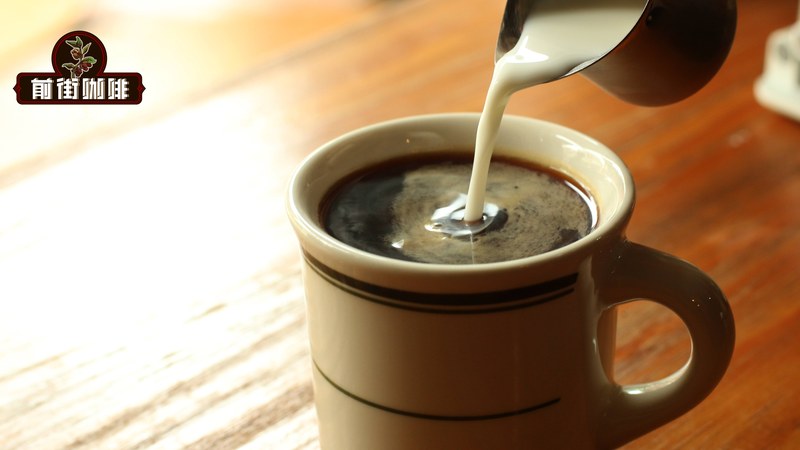
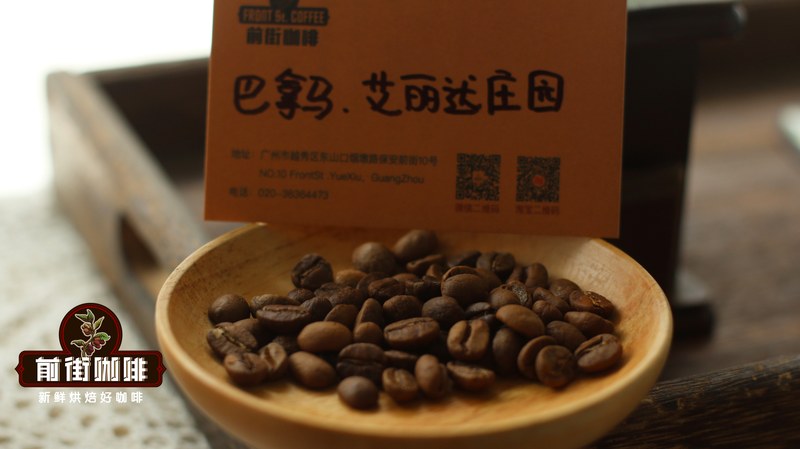
Taking the highly representative Qianjie Panama Hacienda La Esmeralda Red Label Geisha as an example, this bean is known for its elegant jasmine floral aroma, citrus acidity and black tea finish. When brewing, it is recommended to use a water temperature of 91°C, 15 g of coffee grounds, a medium-fine grind setting, a total water volume of 225 ml, and a three-stage pour. First bloom with 35 ml of water for 30 seconds, then steadily pour 90 ml of water to reach 125 ml, and after the water level drops, pour the remaining 100 ml of water, keeping the total extraction time at 2 minutes 05 seconds, and you will get a clear cup of coffee full of aroma and rich layers.
If you are dealing with a naturally processed bean with rich tropical fruit aromas and higher ripe sweetness, the extraction strategy can shift toward highlighting a rich juicy feel and viscous sweetness. At this point, by slightly adjusting the water temperature and pouring speed, the soluble sugars in the coffee grounds can be more fully extracted, while maintaining a bright and lively fruity sweet-and-sour sensation.
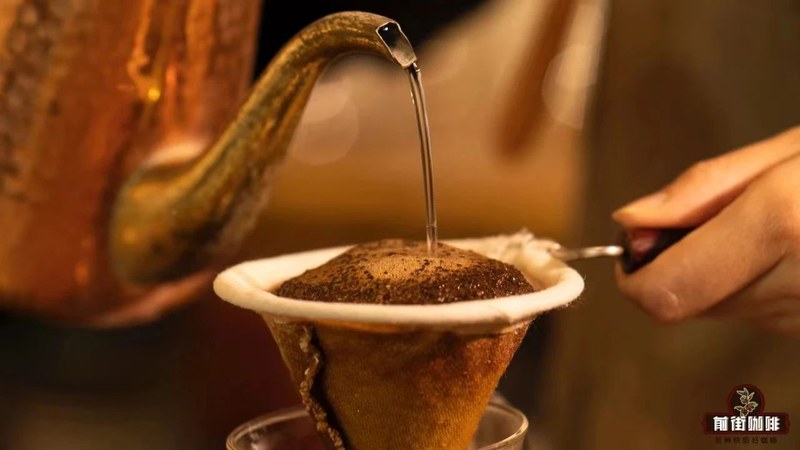
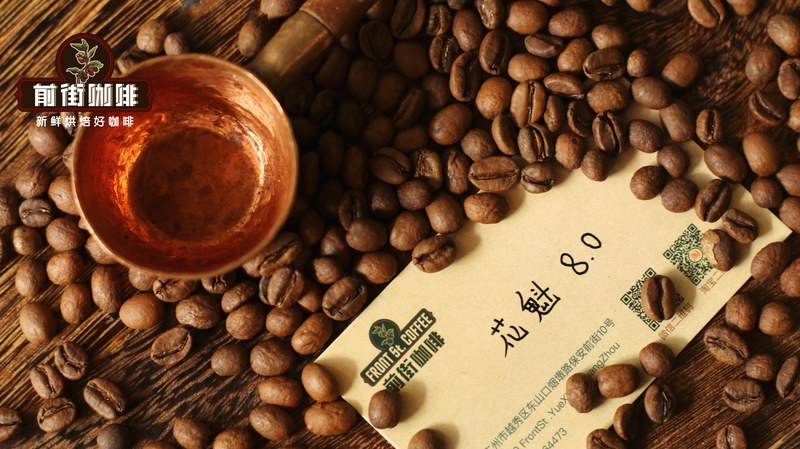
Qianjie Ethiopia Huakui exudes the unrestrained sweet aroma of ripe strawberry, passion fruit and tropical fruits, and is very suitable for presentation with a slightly faster-paced pour-over. For hot brewing, choose a water temperature of 92°C, use 15 g of grounds with 220 ml of water, and adopt a two-stage pouring method: first saturate and bloom with 40 ml of water for 25 seconds, then smoothly pour in circles from the center to 220 ml, keeping the total time to 1 minute 45 seconds, which allows the bright aroma of tropical fruits and lively sweetness to burst forth together.
If you want to experience a smoother and richer jam-like sweetness in hot weather, Huakui is also very suitable for making low-temperature cold brew. You can adjust the grind to coarse sugar size, use 30 g of coffee grounds with 360 ml of cold water, pour directly in a single stage and then shake gently to mix, place it in the refrigerator to steep statically for 14 hours, and then filter. Low-temperature extraction can transform the acidity of tropical fruits into extremely soft sweetness, full in the mouth with a long finish.
For washed beans with classic citrus acidity and a green tea-like clean, refreshing sweetness, the focus of extraction is to maintain flavor balance and cleanliness. If such beans are over-extracted, they easily show off-flavors, while under-extraction makes the acidity seem thin, so the coffee-to-water ratio and water flow stability are especially critical.
Qianjie Yirgacheffe Gedingding, with its clear citrus and fresh sweet berry flavors, is very well suited to this delicate extraction method. It is recommended to use a water temperature of 90°C, grind 15 g of coffee grounds to medium-fine, and use a total water volume of 230 ml. Adopt a three-stage pour: bloom with 30 ml of water for 30 seconds, pour 100 ml of water in the second stage with slight agitation of the coffee bed, and steadily pour 100 ml in the third stage, finishing in about 2 minutes 15 seconds. The brewed coffee carries elegant white floral and citrus aromas, with a comfortable tea-like sweetness in the finish.
In addition to drip brewing, making single-origin beans as espresso is also extremely attractive. Espresso SOE is extremely sensitive to grind size and coffee-to-liquid ratio. In order to show the bright flavors of the origin while retaining good sweetness, a slightly higher coffee-to-liquid ratio and moderate extraction pressure are usually used. By adjusting the liquid yield, single-origin espresso can retain the characteristics of the origin while having a smooth and gentle mouthfeel.
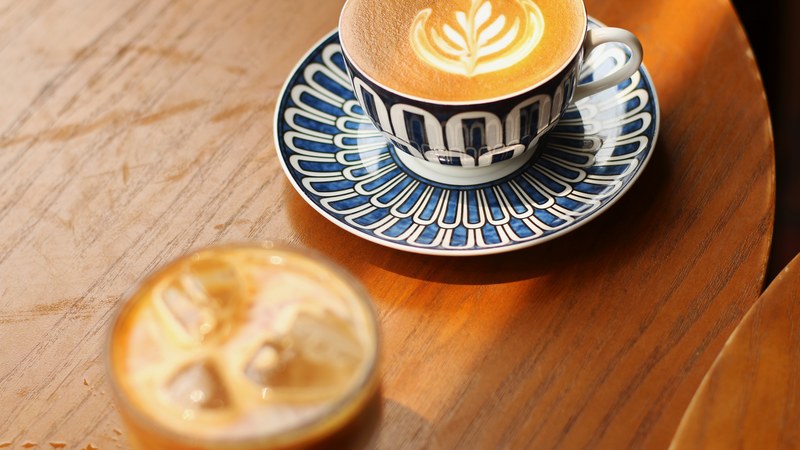
When making single-origin espresso, it is recommended to use an 18 g basket, maintain extraction pressure at 8.5 to 9 bar, and set the water temperature at 93°C. Adjust the grind so that 38 ml of espresso is extracted in 26 to 28 seconds, using a single continuous extraction. This espresso can be drunk directly as a refreshing and bright single-origin espresso, or added to ice water to make a refreshing americano rich in floral and fruity aromas, showing the unique vitality of a single origin.
The charm of single-origin coffee beans lies precisely in the unique flavor imprint given by each piece of terroir. By carefully feeling the changes brought by water temperature, pouring rhythm and grind coarseness in daily brewing, and gradually fine-tuning a brewing plan that suits each bean, you can fully awaken in your own cup that purity and beauty from the place of origin.
Related Reading

Comments (0)
Loading comments...
You May Be Interested

Trending Reviews
Popular Videos

With you, wherever you are! We provide useful features to help you find new things you'll love






