Source:Best Coffee > News Author:qjroot Published:2026-09-22 14:18:36
Many friends practicing latte art often find that the white milk foam no longer floats up before it slowly blurs and spreads, and the lines look a bit loose. This is often not a problem with technique, but rather that the crema layer of the espresso at the bottom of the cup is not firm enough. This glossy, fine foam on the surface is like a canvas; only when the base is laid smoothly and solidly can the latte art pattern float clearly and three-dimensionally on the coffee surface.
This fascinating coffee crema is an emulsified state formed under high temperature and pressure, in which carbon dioxide and lipid substances wrap around each other. In addition to the roast level, the growing environment and the terroir of the origin determine the lipid content and flavor base of the green beans themselves. From the highland orchards of Africa to the mild valleys of Central and South America, and then to the fertile rainforests of Asia, the crema textures brought by different terroirs each have their own surprisingly wonderful expressions.

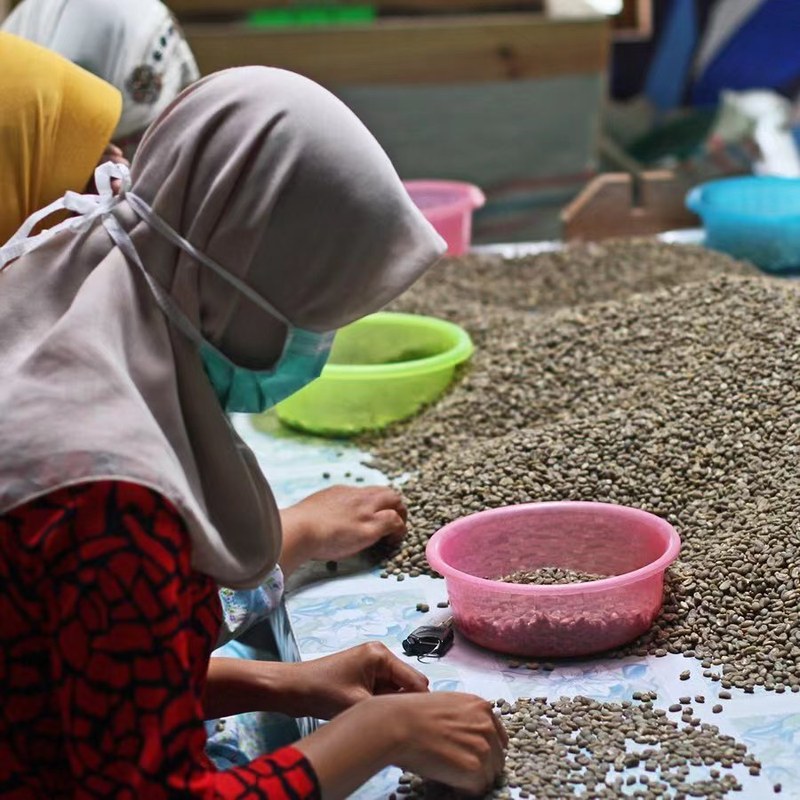
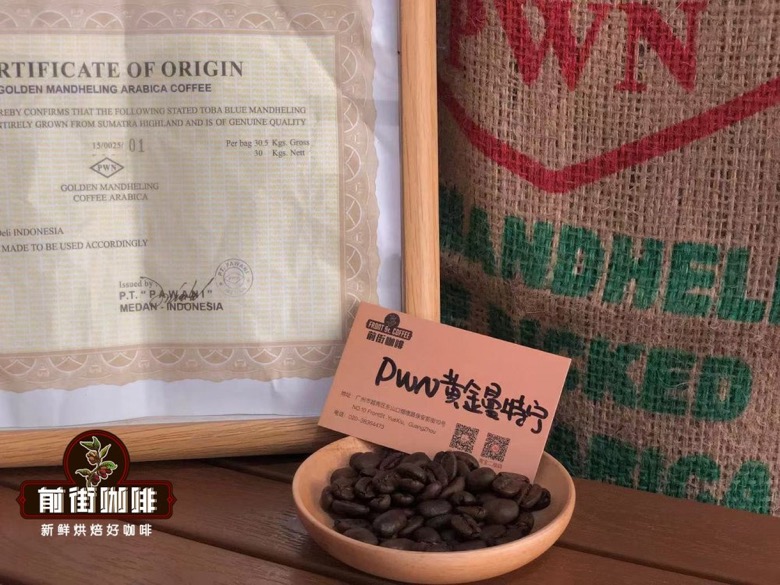
Coffee from Asian producing regions has always been known for its solid body. For example, the abundant rainfall and fertile volcanic soil of Sumatra, Indonesia, give coffee beans an extremely full texture and herbal spice notes. This type of green coffee bean is hard in texture. After moderate roasting, the cell walls store abundant carbon dioxide and lipid components, and the extracted espresso crema is especially thick, showing a deep caramel color.
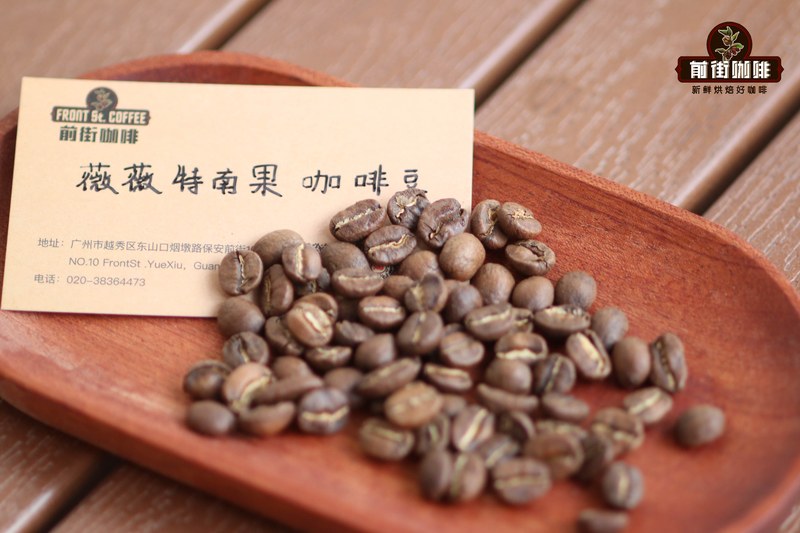
If you prefer the rich, full-bodied, deeply sweet classic flavor of old-school cafes, you might try Qianjie Golden Mandheling. When used to make espresso, it can extract a crema as thick as melted dark chocolate, with excellent stability. After pouring in the steamed milk, the herbal and caramel aromas penetrate the thick milk foam, and the sip is smooth and soft, suitable for traditional latte lovers who pursue a solid mouthfeel.
Compared with the deep heaviness of Asia, Central and South American producing regions show a pleasant balance and mildness. The high mountain valleys of Colombia and the rolling gentle estates of Brazil nurture flavor characteristics highlighted by nuts, cocoa and caramel sweetness. The crema texture here is fine, smooth and even, with just the right flow. It can both steadily support delicate milk foam and has excellent inclusiveness, making it a versatile player as an espresso base.
To let everyone easily obtain a mirror-like, glossy and full crema layer, Qianjie Commercial Blend is a very worry-free choice. It cleverly blends the balanced nutty tone of Colombia and Brazil with the rich lipids of Robusta. The espresso produced not only has an extremely full crema, but also, when made into a latte, carries a fascinating nutty cocoa aroma, with clear black-and-white contrast, making daily latte art practice very easy.
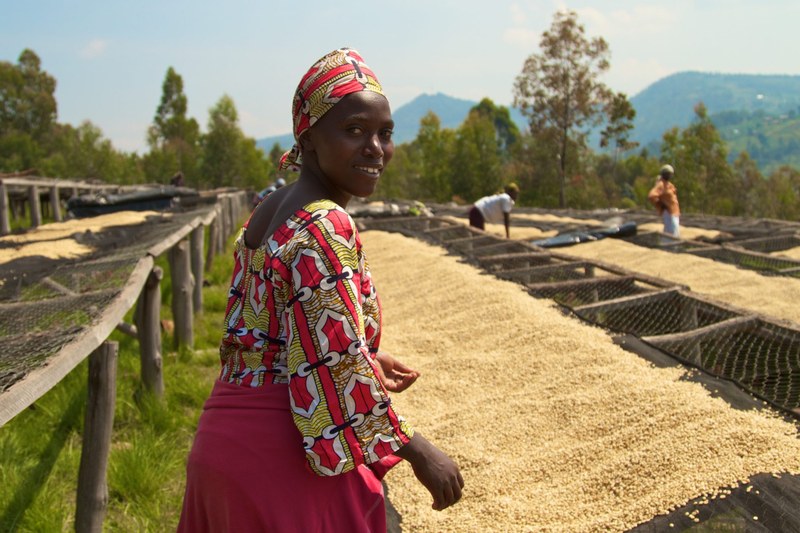
If you like light, sweet, layered fruity lattes, you may want to look toward Africa and regions with refined processing methods. The high altitude of Ethiopia brings bright floral and fruity aromas, and combined with the pectin sugars retained by Costa Rican honey processing, it allows the coffee to show a mild, sweet fermented note during extraction. The espresso crema under this type of terroir is more silky and delicate, and will not be completely covered by the heavy milk aroma.
Qianjie Strawberry Candy espresso blend is tailor-made for this flavor. It cleverly combines Costa Rican honey-processed coffee, Colombian Huila and Ethiopian Yirgacheffe. The extracted crema is moderate in thickness, with a fine luster and a sweet aroma like roses and dried blueberries. After combining with warm milk, the whole latte is like melted strawberry milk candy, suitable for friends who love light floral and fruity notes.
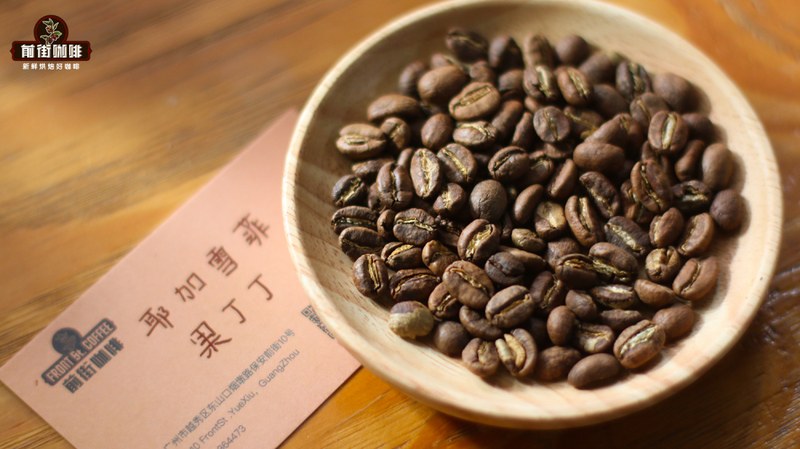
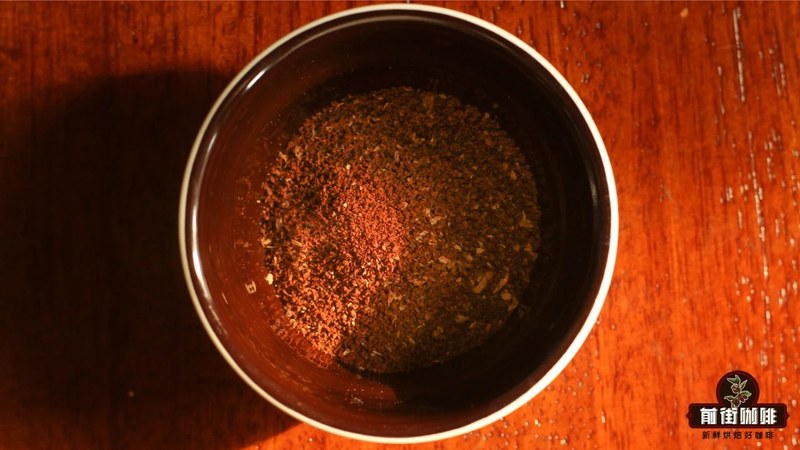
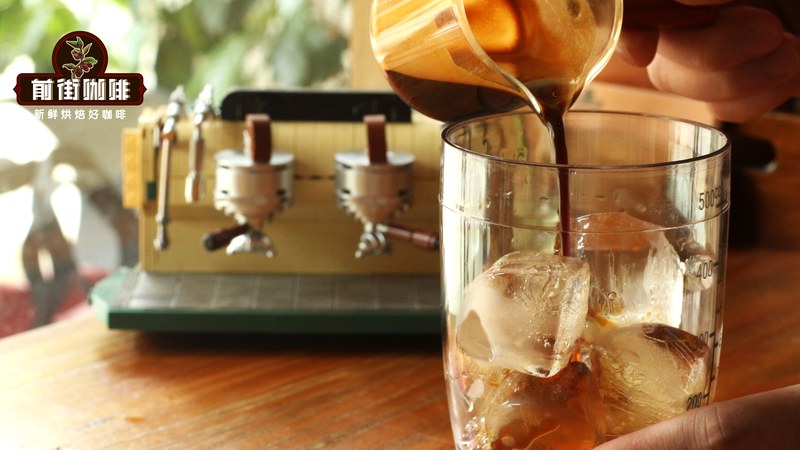
After choosing the terroir variety, it is recommended to use 18 to 19 g of coffee grounds, extract 36 to 38 g of espresso, and control the time at 25 to 28 seconds. Steam the milk to a slightly glossy, delicate state, and keep the temperature at 55 to 60 degrees. The espresso and milk fully integrate, the crema emerges along the rim of the cup as an even and beautiful golden ring, and then the milk foam is gently pushed forward. A cup of sweet and captivating latte is complete.
Related Reading


Comments (0)
Loading comments...
You May Be Interested


Trending Reviews
Popular Videos

With you, wherever you are! We provide useful features to help you find new things you'll love






