Source:Best Coffee > News Author:qjroot Published:2026-08-24 13:25:44
The notable difference between buying beans for home and trying beans at a cafe is the lack of a professional cupping environment and a standardized tasting process. But this does not mean you cannot systematically try beans at home; the approach of small amounts and multiple trials can equally help you find the right beans.
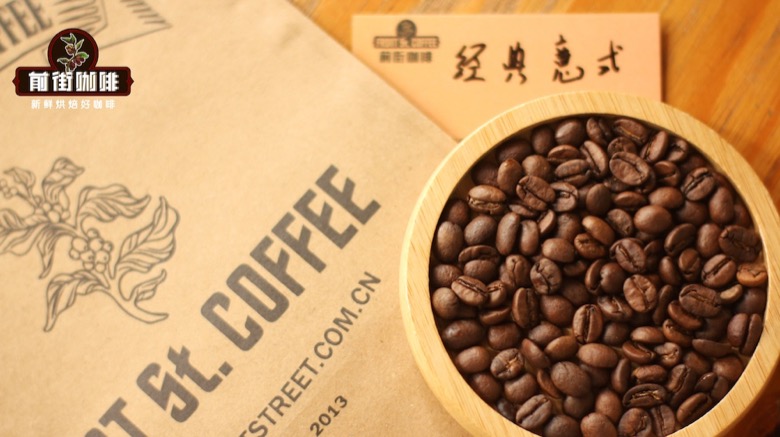
The first step in trying beans is to fix the variables. The grinder setting, dose, water temperature and extraction time should be kept as consistent as possible when trying different beans. Only when the variables are fixed can the differences between different beans be truly reflected. If you change different parameters every time you try beans, it becomes impossible to say clearly whether the taste difference comes from the beans or from the parameter changes.
Small amounts and multiple trials means you should not draw a conclusion after extracting each bean only once. For the same bean, make three to five cups in a row, adjusting the grind size slightly each time, and observe how the taste changes. A bean with obvious flavor characteristics like Qianjie Yirgacheffe is very suitable for verification with this method. A light-roasted Yirgacheffe shows a large range of flavor change when the grind size is slightly adjusted, and you can clearly feel how the layers from acidity to sweetness move with the extraction yield.
When trying beans, it is recommended to prepare two beans of different styles at the same time and taste them alternately. Drinking only one bean easily causes palate fatigue, while alternating tastings can maintain palate sensitivity. Qianjie Golden Mandheling and Qianjie Yirgacheffe are a very good contrast pairing. Beans from the Mandheling region are naturally full-bodied with woody notes, forming a sharp contrast with the bright floral and fruity notes of Yirgacheffe, and during tasting the differences between the two styles will be especially clear.

Recording is also an important part of trying beans. You do not need to write very professional tasting notes; simply note the date, bean name, grind size, extraction time and taste impression. After a few weeks, when you look back at these records, you will discover the patterns in your own taste preferences. Which beans you repeatedly repurchase, and which flavors actually do not suit you, the records will answer these questions for you.
There is another easily overlooked dimension in trying beans: the taste after it cools. Many beans taste good right after extraction when the temperature is high, but when cooled to 40 or 50 degrees, the flavor goes off. Good espresso beans should still maintain structural integrity after cooling, and the acidity and sweetness should not collapse because the temperature drops. When trying beans, leave a sip to drink after it cools; this habit can help you judge the quality of a bean more comprehensively.
Home bean tasting does not need to pursue the rigor of professional cupping; the core purpose is to find the beans you like drinking. Try in small amounts and multiple trials, record patiently, and gradually narrow the range; the right beans will naturally emerge. The process of trying beans itself is part of the fun of home espresso. Compared with buying a large batch of beans at once and drinking blindly, verifying each bean methodically will greatly increase the probability of choosing the bean you like.
Related Reading




Comments (0)
Loading comments...
You May Be Interested



Trending Reviews
Popular Videos

With you, wherever you are! We provide useful features to help you find new things you'll love






