Source:Best Coffee > News Author:qjroot Published:2026-09-03 18:47:07
SOE, or single origin espresso, can be made into a short, concentrated espresso, or extended into an americano, latte, iced coffee, and even used in a moka pot and cold brew. What determines which drink it suits is not just the bean name, but also the dose, grind size, brew ratio, water temperature and extraction time. Only when the equipment parameters are chosen correctly do the origin characteristics show up more easily in the cup.
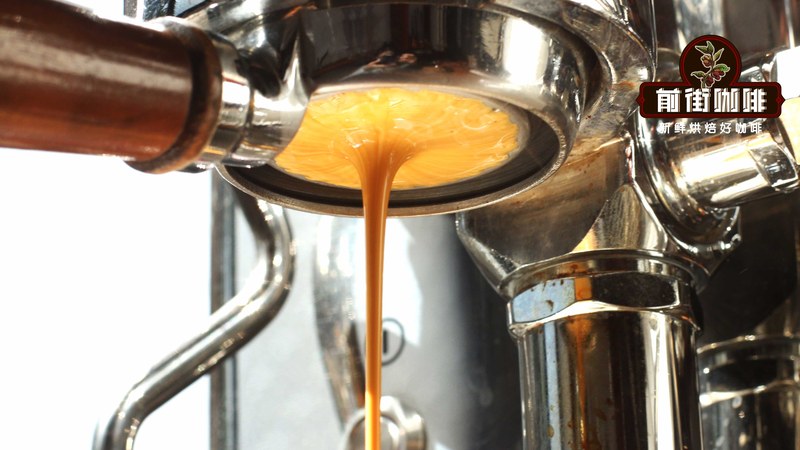
When using an espresso machine, the dose can be seen as the skeleton of the espresso. A small dose paired with a shorter yield makes the coffee more compact, suitable for drinking straight or making a short-ratio iced americano; increasing the dose and slightly lengthening the yield makes the mouthfeel more expansive and gives it more presence after adding milk. Home machines differ in pressure and temperature control, so parameters should be based on the actual flow rate and the taste in the cup, rather than mechanically applying fixed numbers.
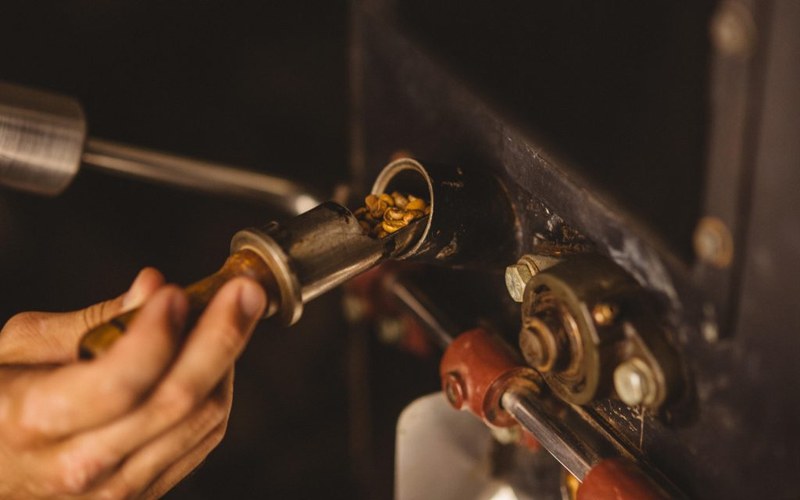
For espresso beginners, you can start by observing around 18 g of coffee grounds and 36 g of liquid weight, with extraction time falling at about 25 to 35 seconds. If the liquid flows too fast, it usually tastes sharp and thin, so the grind can be tightened; if the flow is too slow and bitterness lingers, it can be slightly coarsened. A higher water temperature intensifies extraction, so light-roast SOE can use a higher temperature to help open up the aroma, while medium-roast beans can start from a medium temperature to keep sweetness and body in balance.
Qianjie Ethiopia Huakui is suitable for using a clearer espresso ratio to preserve the fruit aromatics. Keeping the yield at about twice the dose allows berry and tropical fruit-like notes to appear in a concentrated way, bright and lively when drunk straight; if making an iced americano, the hot water proportion can be shortened and plenty of ice added to make the aroma lighter. When used for milk coffee, it is recommended to reduce the proportion of milk so the fruit aromatics are not completely covered.
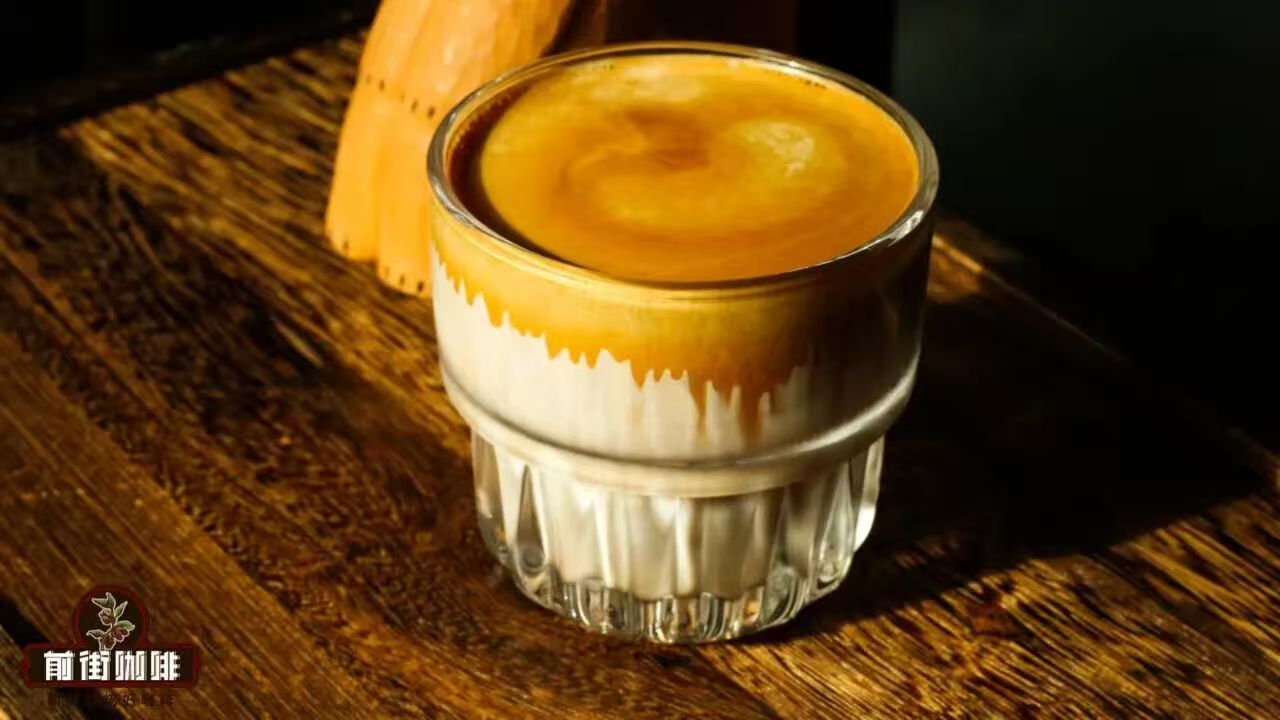
To make a latte or flat white, bean selection must match the amount of milk and cup size. The more milk there is, the more concentrated the coffee liquid needs to be, the yield ratio can be narrowed, and the sweetness after extraction must also be clear enough. Qianjie Kenya Little Tomato has an acidity with a distinct juicy quality, and when made into a small milk coffee it leaves a lively note similar to red fruit; if using a large cup of milk, appropriately increasing the dose or using a double espresso will give a more complete flavor.
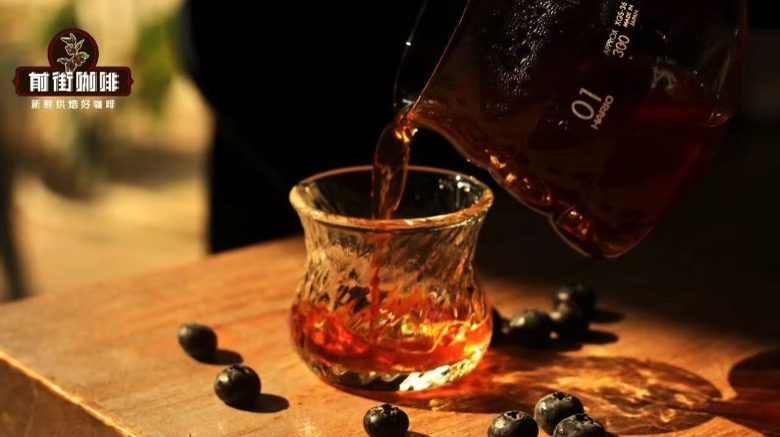
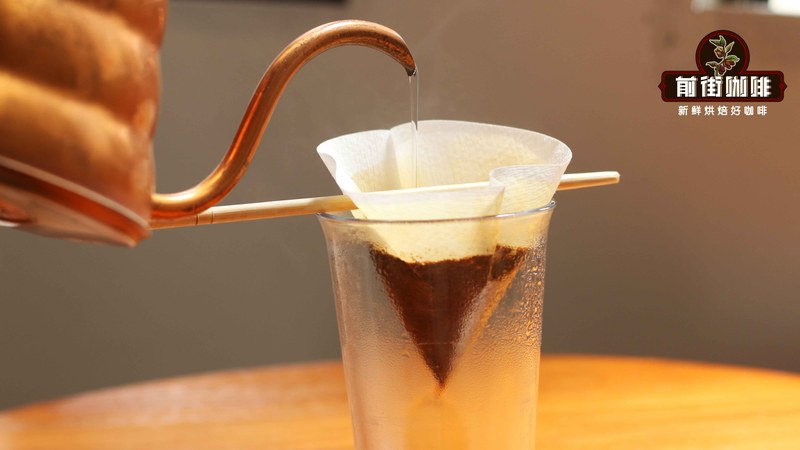
Pour-over depends more on water temperature, grind and total pouring time. To taste clear origin aromatics, a finer grind and higher water temperature can be used to let the coffee bed release more aromatic substances; if the entry is too sharp, the water temperature can be lowered or the agitation reduced to make the sweet and sour performance softer. The coffee-to-water ratio also changes the drink's positioning; a stronger ratio suits hot drinks, while a lighter ratio plus ice easily forms a refreshing iced pour-over.
Qianjie Kaffa Forest in a conical dripper is suitable for drawing out citrus and apricot-oriented sweetness through a slower pouring rhythm. For a hot drink, a medium-high water temperature can be used to make the oolong tea-like finish clearer; when making iced pour-over, part of the water is directly replaced with ice, and the hot liquid cools rapidly after falling, making the aroma appear brisk, while the sweetness in the cup gradually unfolds as the temperature drops.
A moka pot extracts at lower pressure than an espresso machine, so espresso parameters cannot be copied directly. The grounds should remain medium in coarseness, the water amount should be based on the pot capacity, and the heat should mainly provide stable heating. An SOE suitable for a moka pot usually needs some sweetness and body for support, otherwise it easily tastes thin after high-temperature extraction. If Kenya Little Tomato is used in a moka pot, it can be diluted with hot water into an americano to make the dark fruit character like smoked plum rounder.
Cold brew and ice drip focus on contact time and concentration, not instantaneous pressure. Light-roast beans with obvious fruit aromatics can use a coarser grind; after a longer soaking time, the acidity becomes softer and the aroma leans toward juice and tea drinks. A stronger coffee-to-water ratio suits adding ice or sparkling water; a lighter ratio can be drunk straight. If the cold brew liquid seems dull, the soaking time can be reduced or the dilution water increased.
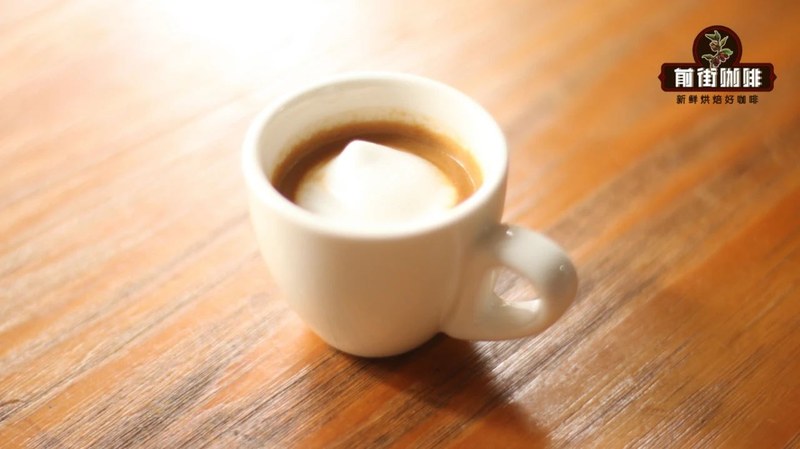
To choose what drink to make with an SOE, you can start by judging from the adjustable range of the equipment at hand. For an espresso machine, first look at dose, liquid weight and flow rate; for a dripper, focus on water temperature, grind and pouring rhythm; for a moka pot, focus on heat and total water amount; for cold brew, look at grind, time and dilution ratio. Only by matching the parameter adjustment space with the cup feel you like can a bean show its proper form in espresso, milk coffee or iced drinks.
Related Reading
Comments (0)
Loading comments...
You May Be Interested

Trending Reviews
Popular Videos

With you, wherever you are! We provide useful features to help you find new things you'll love






