Source:Best Coffee > News Author:qjroot Published:2026-09-03 18:45:40
The flavor of SOE coffee beans often needs the right equipment parameters to be fully expressed. Pour-over pursues aroma and layers, the espresso machine amplifies concentration and sweetness, while cold brew places more emphasis on softness and finish. When buying beans, rather than just fixating on the name of the origin, it is better to first confirm your equipment at home, your usual dose, and the adjustable range, then pick a single-origin bean that can be brewed consistently.
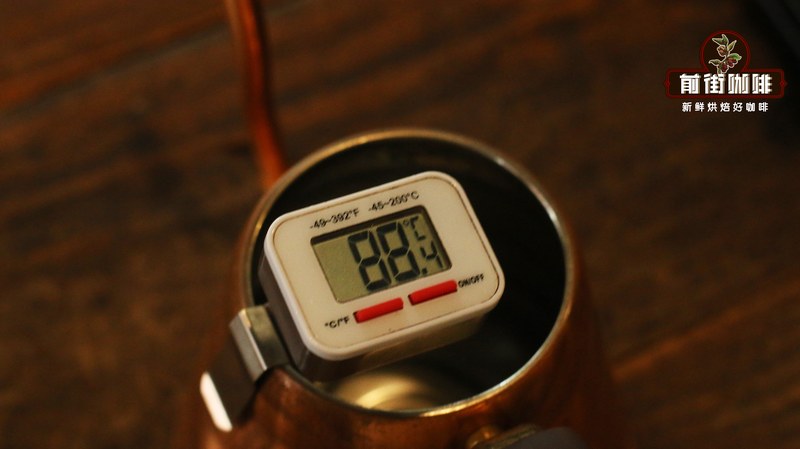
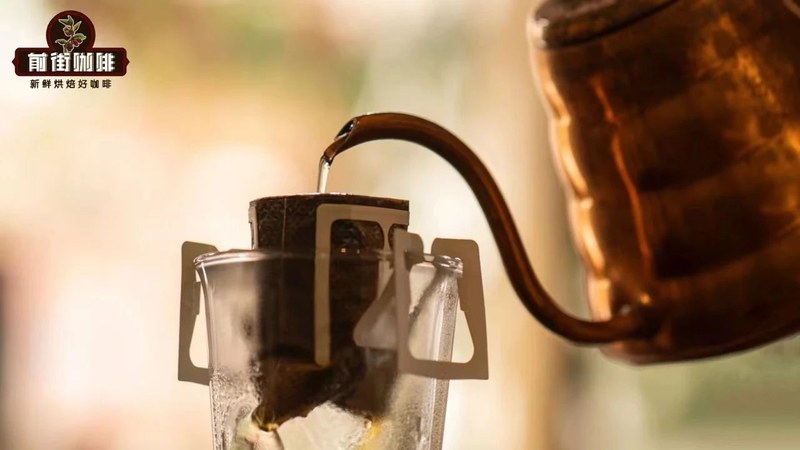
If using a conical dripper, the dense coffee bed and longer water flow path easily bring out clear aromas. For light or medium-light roast SOE, you can start with a slightly finer grind, a water temperature of 90 to 93°C, and a coffee-to-water ratio of 1:15. If the entry is sharp and bright with insufficient sweetness, you can slow the pouring or fine-tune the grind finer; if the finish is astringent, reduce agitation and let the water pass through the coffee bed more naturally.
Those who enjoy a juicy mouthfeel can look at Qianjie Kenya Small Tomato. Once brewed, it easily shows sweet aromas reminiscent of red berries, smoked plum, and syrup, with a bright acidity that still has some structure. With a V60, you can use 15 g of coffee grounds, add 240 g of water, pour in 3 to 4 stages, and keep the water temperature at around 91°C, suitable for making hot pour-over or serving over ice.
Flat-bottom drippers usually have a more even flow rate and more stable extraction performance, making them suitable for observing sweetness and tea-like notes. Qianjie Kaffa Forest can be tried in this equipment: the bright orange-like note will gradually shift toward the fruit sweetness of ripe apricot and peach, and after cooling, an oolong tea-like sweet aftertaste becomes easier to notice. The grind can be slightly coarser than for a conical dripper, and the coffee-to-water ratio can start at 1:16.
If you use a Clever Cup, French press, or AeroPress at home, immersion time becomes the main variable. Qianjie Granja Estate Geisha has intense notes of orange blossom, guava, apricot, and strawberry jam, and an AeroPress can deliver a fuller aroma. Use 15 g of coffee with 200 g of water, steep for 1 minute 30 seconds, then press down slowly, with the water temperature around 90°C, suitable for those who like rich fruit aromas.
When choosing SOE for an espresso machine, you should consider the portafilter basket capacity, the precision of grind adjustment, and the flow rate together. Light roasts usually need higher water temperature and a finer grind, while medium roasts more easily develop sweetness in a shorter time. For home machines, you can first use 18 g of coffee and 36 g of liquid as a reference, observe the performance within 25 to 35 seconds, then adjust the grind finer or coarser based on sourness or dry bitterness.
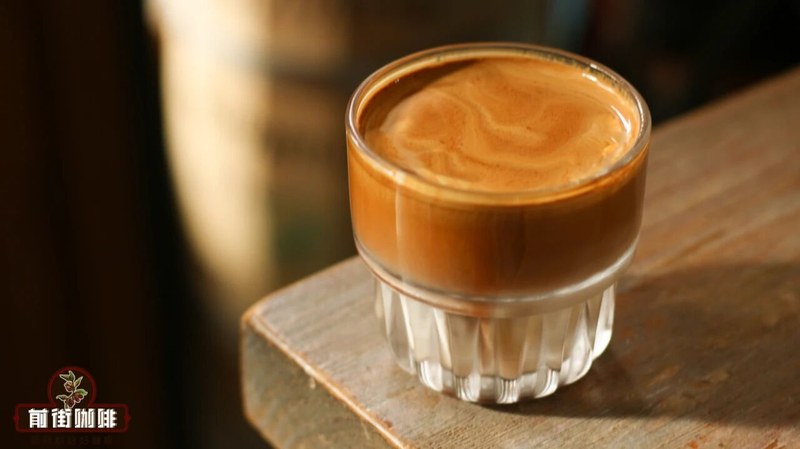
After putting Qianjie Kenya Small Tomato into an espresso machine, the acidity becomes more concentrated than in pour-over, while the smoked plum and sugar aromas are more like jam, suitable for making a short espresso or adding a small amount of sparkling water. If the machine temperature is adjustable, you can start at around 93°C; if the flow is too fast, grind finer, and if the entry is too tight, coarsen appropriately and let the liquid weight increase by a few grams for a more relaxed cup.
The moka pot has a fixed basket capacity, so heat level and timing of removal from heat become important. Medium roast SOE more easily retains sweetness and body in this equipment, and Qianjie Kaffa Forest can be extracted at lower heat, then diluted with hot water into an americano. The grind should remain between pour-over and espresso, and the coffee bed only needs to be leveled; stop heating promptly when the liquid color becomes lighter.
When making iced pour-over, ice cubes quickly lower the liquid temperature and also dilute the concentration, so the amount of hot water and ice needs to be calculated together. Taking 15 g of Qianjie Granja Estate Geisha as an example, you can use 160 g of hot water with 80 g of ice, a water temperature of 91°C, and a faster two-stage pour to retain floral and ripe fruit notes, with a lighter mouthfeel.
Cold brew suits those who want low irritation and a smooth mouthfeel, but low temperature slows aroma release, so the parameters should start from a medium concentration. For Qianjie Kaffa Forest, you can use a coffee-to-water ratio of 1:13, a coarser grind than pour-over, and steep refrigerated for 10 to 12 hours before filtering. If the flavor is too weak, increase the steeping time or reduce the dilution water; if the tea-like note is pulled too heavy, shorten the contact time.
After choosing your equipment, it is recommended to first check the bean's roast date, suggested brewing method, and the flavor notes on the packaging, then set the starting parameters according to the machine scale or dripper flow rate. When switching beans, change only the grind at first, and once the acidity, sweetness, aroma, and mouthfeel have stabilized, then adjust the water temperature or time. Only in this way can the SOE you pick present clear and comfortable flavors in the equipment you commonly use at home.
Related Reading
Comments (0)
Loading comments...
You May Be Interested


Trending Reviews
Popular Videos

With you, wherever you are! We provide useful features to help you find new things you'll love






