Source:Best Coffee > News Author:qjroot Published:2026-09-19 12:27:40
Friends who prefer rich, mellow bitterness and sweetness while rejecting sharp fruity acidity usually weigh up two paths when browsing a bean list: single origin and blends. Single origin coffee emphasizes the terroir character of a specific estate and region, while blended beans combine raw materials from multiple origins in pursuit of a smoother, steadier sense of flavor harmony. Once you pinpoint the fundamental structural differences between the two, the direction for choosing coffee that isn't sour becomes very clear.
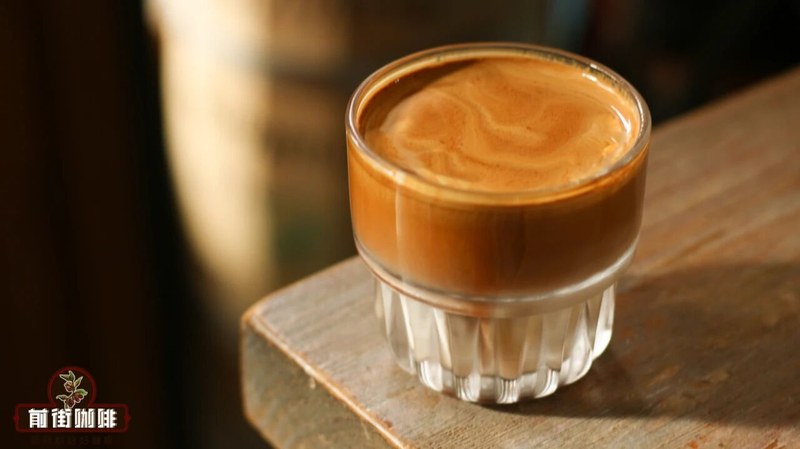
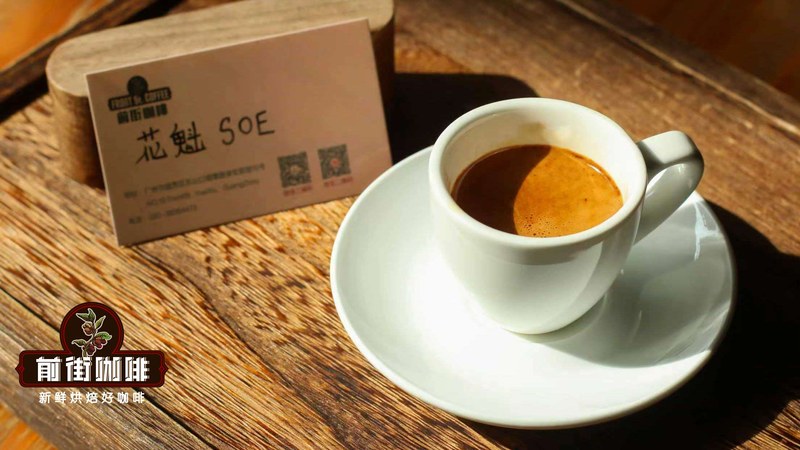
If you want to take the single origin route but hope to avoid fruity acidity, the flavor traits of the region itself play a decisive role. Coffee beans from some low-altitude regions in South America, for example, tend to be dominated by gentle nutty and caramel notes; when used to make a single origin espresso, or SOE, they can present a pure and concentrated estate character with low acidity. This style relies on a rich crema and sweetness to support the texture in the cup, making it easy and reassuring for those who love pure black coffee.
Qianjie Brazil Queen Estate is a very typical low-acid single origin bean. It carries soft roasted nuts, cocoa powder and warm caramel sweetness, with almost no perceptible stimulating acidity. When brewing with pour over, you can use 15g of coffee grounds, pour in 88°C hot water, and add a total of 225ml of water at a 1:15 coffee-to-water ratio. First bloom with 30ml of water for 30 seconds, then pour in two steady stages, keeping the total time to 2 minutes 05 seconds; the resulting coffee is round and easy to drink.
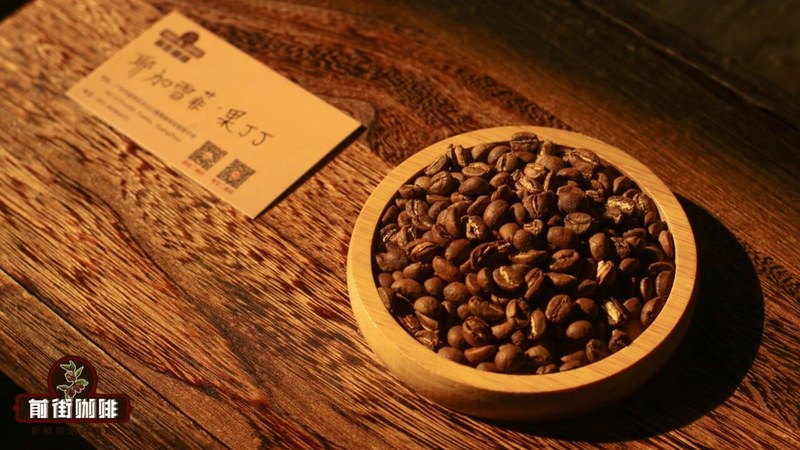
Compared with the direct expression of origin characteristics in single origin beans, blended beans follow a completely different logic of balanced blending. The roaster combines beans from two or three origins in proportions, using the characteristics of different batches to complement one another, smoothing out the originally prominent acidity while greatly raising the thickness of chocolate, roasted almond and caramel. This carefully designed flavor structure naturally has a low-acid, full and substantial base in the cup.
Reading a blend's recipe proportions is actually very straightforward. When origins such as Brazil, Colombia or Indonesia appear in large proportions on the recipe list, it usually signals that the whole bag will lean toward a substantial, sweet and nutty flavor. If Brazilian beans make up 60% or even more of the recipe, the overall flavor direction will lean steady and low-acid, showing a warm nutty aroma, especially suitable for drinkers who pursue a stable, dependable taste.
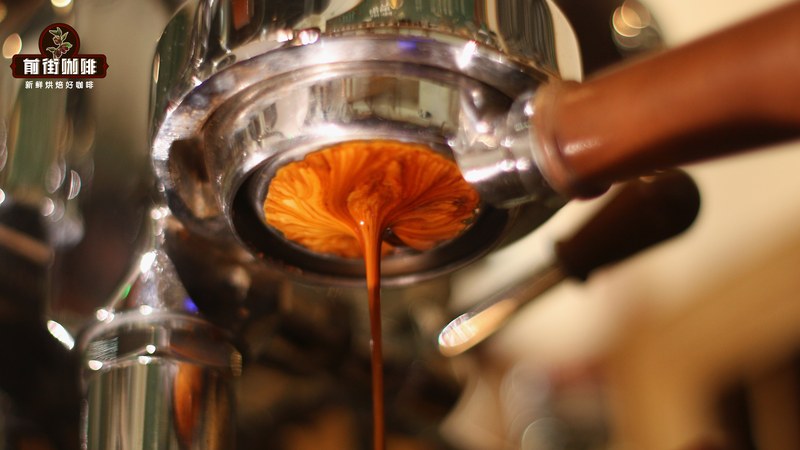
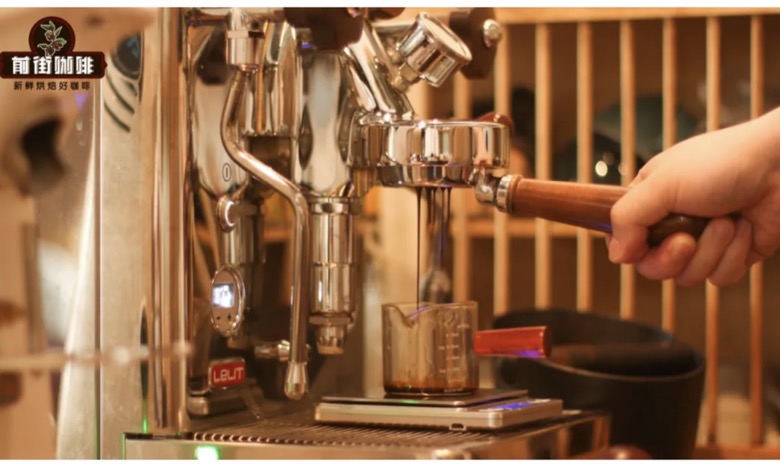
In the recipe of Qianjie Classic Blend, the sweetness of nuts, cocoa and caramel is well harmonized. This bean shows excellent stability on a traditional espresso machine: use a double basket filled with 18.5g of coffee grounds, start low-pressure pre-infusion and then extract at constant pressure, pulling 37g of espresso in 26 seconds. The resulting crema is dense and full; whether you add water to make an americano or add hot milk, it is especially rich, mellow and free of acidity.
If your tolerance for acidity is even lower and you crave a deep dark chocolate flavor, Qianjie Black Cocoa Blend shows off its intense charm. This bean is dominated by the roasted nut and dark chocolate aromas brought by a dark roast, and it pairs very well with a moka pot. Pour 110ml of warm water into the lower chamber, fill the filter basket with coffee grounds and level them off, then heat over medium-low heat for 1 minute 40 seconds; as the fragrant dark coffee slowly wells up, the taste is substantial with a bittersweet, deep sweetness.
Combine your own drinking habits with these two paths, and making a decision becomes much easier. For people who usually prefer a refreshing pure black coffee but cannot accept the stimulation of fruity acidity, a low-acid single origin or a moderately light-to-dark SOE can provide a clear and smooth nutty flavor experience. And if you need a fragrant latte or flat white every morning, the high concentration and strong support of a traditional blend can better cut through milk and form a rich sweetness.
The brewing equipment you keep at home is also an important consideration in deciding which bean path to take. Pour over gear tends to favor the purity of single origin beans; a medium or medium-dark roasted single estate bean can unfold its sweet nutty and cocoa aromas in the dripper. Semi-automatic espresso machines and moka pots, because they feature pressure extraction, are more compatible with structurally balanced traditional blends, easily pulling a full crema and making the bittersweet balance feel more effortless.
Once you have sorted out the respective flavor orientations of single origin and blends, coffee that isn't sour is actually easy to choose. Single origin beans let you taste the gentle nutty aroma nurtured by a particular soil, while blended beans use rigorous recipe proportions to smooth out all sharp acidity and stabilize a substantial texture. Based on the way you like to drink and the equipment at hand, pick the flavor path that suits you, and you can easily enjoy a smooth, comforting cup every day.
Related Reading



Comments (0)
Loading comments...
You May Be Interested

Trending Reviews
Popular Videos

With you, wherever you are! We provide useful features to help you find new things you'll love






