Source:Best Coffee > News Author:qjroot Published:2026-09-16 01:28:49
When making milk coffee with single-origin coffee, the flavor expression depends to a large extent on the extraction balance of the espresso. Because single-origin beans retain more of the original aromatic substances and fruit acidity of the region, extraction requires fine control of grind, water temperature and yield so that the coffee's flavor compounds are fully released, allowing them, after merging with the milk fat and lactose in milk, to clearly deliver a bright yet smooth layering.
For light-roasted single-origin coffee beans with fresh fruit aromas, it is usually recommended to use a slightly lower water temperature and a somewhat faster flow rate when making the espresso base. Setting the brewing water temperature at 90°C both fully brings out the bright fruity sweetness and aroma and reduces the extraction of off-flavors in the tail end. Combined with a stable extraction pressure of 9bar, this allows the coffee bed to be wetted more evenly, keeping the acidity and sweetness of the whole espresso in a soft and broad state.
Taking Qianjie Strawberry Candy coffee beans as an example, when making a single-origin milk coffee you can use 19g of grounds, adjust the grind to a medium-fine setting, extract at 90°C under 9bar pressure, control the yield at about 38g, with a total extraction time of about 26 seconds. Slowly pour the resulting espresso into 200ml of finely steamed hot milk; the strawberry gummy sweetness interweaves with the milk aroma, presenting a light, sweet and moist fruit pudding flavor.
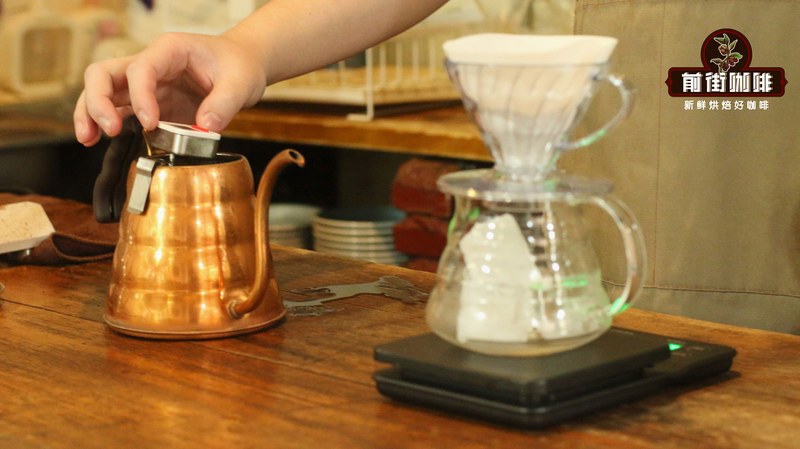
If you use a filter drip method at home to make the milk coffee base, you need to adjust the coffee-to-water ratio to increase the concentration of the coffee liquid. In this case you can use a stronger extraction ratio, improving the dissolution of coffee solids through staged pouring, so that the filtered concentrate still keeps a clear structure after adding milk. Such a brewing approach can likewise let the regional characteristics of single-origin beans stand out clearly under the wrapping of milk aroma.
If you make a hand-brewed concentrate with Qianjie Strawberry Candy coffee beans, take 18g of coffee grounds, use 91°C water, and pour in two stages at a 1:5 coffee-to-water ratio. First pour 30ml of water for a 30-second bloom, then in the second stage slowly pour 60ml of water at the center point, reaching a total poured water volume of 90ml, with the total brewing time controlled within 1 minute 15 seconds. Blend the resulting concentrated filtrate with 150ml of warm milk, and you can likewise taste a clean, bright berry aroma.
For medium or medium-dark roasted single-origin beans, the brewing approach for milk coffee needs to lean toward caramelized flavors and nutty notes. At this point you can raise the water temperature slightly to 92°C and fine-tune the grind to moderately increase the resistance of the coffee bed, extending the extraction time slightly to 28 to 30 seconds. The higher water temperature can fully activate the aromatic substances of nuts and chocolate, making the milk coffee fuller and richer on the palate.
Compared with single-origin coffee that highlights the characteristics of a specific region, classic blends focus more on balance when adjusting parameters. Qianjie Specialty Blend performs very harmoniously with milk; its flavor base of nuts, caramel and cocoa provides solid and stable flavor support for milk coffee. For this type of roasting style, the brewing approach can revolve around a standard coffee-to-liquid ratio, pursuing a balance of sweetness and strength.
When making a latte with Qianjie Specialty Blend, it is recommended to use 20g of grounds, set the water temperature at 92°C, extract 40g of coffee liquid under the standard pressure of 9bar, with a total time of about 28 seconds. Combine the extracted espresso with 220ml of frothed milk; the nutty aroma and cocoa finish will slide into the mouth along with the warm smoothness of the milk, bringing a harmonious and steady nutty chocolate milk-like experience.

For coffee beans leaning toward a deep, rich style, you need to control over-saturation during extraction. Taking Qianjie Black Cocoa Blend to make a thick milk coffee as an example, it is recommended to use 18.5g of grounds, set the brewing water temperature at 93°C, extract the espresso at 9bar pressure, set the yield at 35g, with the total time controlled at 27 seconds. The shorter coffee-to-liquid ratio extracts a rich dark chocolate and roasted nut flavor; against the backdrop of milk, the sweetness is deep and not at all thin.
Besides the coffee extraction parameters themselves, the frothing temperature of the milk is also an important part of determining the overall flavor expression of the cup. It is usually recommended to heat the milk to between 55°C and 60°C; at this point the perceived sweetness of the lactose is higher, and the milk foam texture is light and fine. Too high a temperature will mask the light floral and fruity aroma of a light-roasted SOE, while a mild milk temperature allows the delicate acidity and sweetness of single-origin beans to achieve a mutually enhancing fusion with the milk aroma.
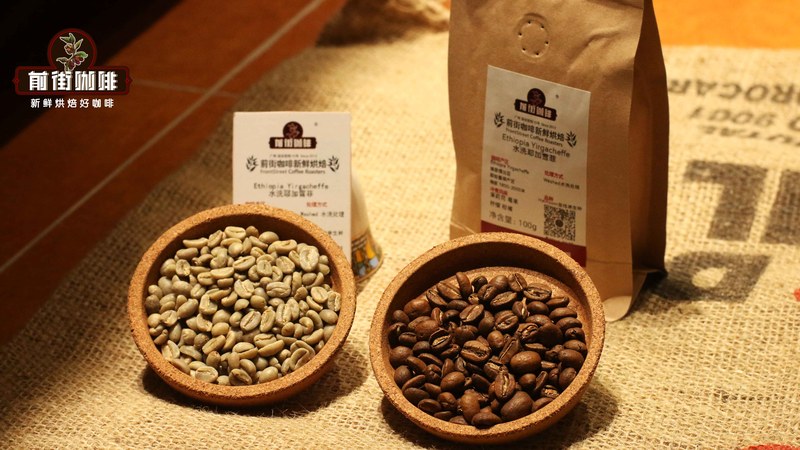
Whether pursuing single-origin beans with a distinctive regional flavor or blends emphasizing richness and harmony, as long as you adjust the water temperature, coffee-to-liquid ratio and extraction time according to the roast level, you can let the coffee and milk in the cup find a fitting balance point. Through fine-tuning the parameters, we can clearly feel the diverse flavor pleasures each bean displays under the accompaniment of milk.
Related Reading





Comments (0)
Loading comments...
You May Be Interested



Trending Reviews
Popular Videos

With you, wherever you are! We provide useful features to help you find new things you'll love






