Source:Best Coffee > News Author:qjroot Published:2026-09-03 18:52:41
Flavors like nuts, cocoa and caramel usually give the impression of being rounded, full-bodied and easy to drink, but when the same bag of beans is switched to a different device, the sweetness and bitterness in the cup will be redistributed. If you want to drink something smooth, you can first look at the equipment at home, then decide the grind size, water temperature, coffee-to-water ratio and extraction time, so that the direction of the beans' flavor and the characteristics of the device work together.
If you mainly use a pour-over kettle, it is recommended to choose coffee beans with a medium to medium-dark roast and a nutty or chocolate base note. The grind should not be too fine, the water temperature can be started at around 90°C, and the pouring action should remain steady, avoiding excessive agitation of the coffee bed. This makes it easier to retain a cocoa-like sweet aroma while giving the mouthfeel a certain thickness, rather than leaving only a roasted sensation.
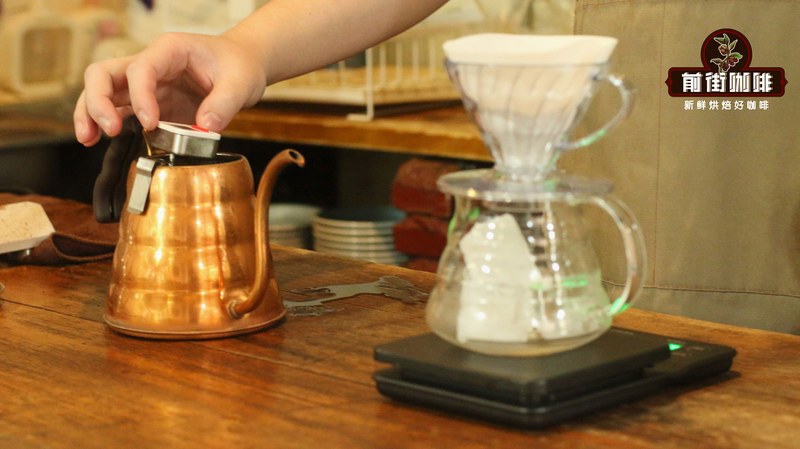
For pour-over, the coffee-to-water ratio can start at around 1 to 15, for example 15 g of ground coffee with 225 g of water. If the entry feels thin, you can slightly increase the dose or tighten the grind; if obvious astringency appears in the tail end, you can coarsen it a little and reduce the late-stage dwell. For nutty chocolate flavors, the extraction time does not need to be extended all the way; ending promptly once sweetness appears often gives a cleaner cup.
Qianjie PWN Indonesia Golden Mandheling is suitable for observing this line of thinking. It itself has herbal notes, dark chocolate tonality and a fuller texture, with a low presence of acidity. When brewed with a dripper, the water temperature can be slightly lower, the grind kept medium-coarse, and the pouring done in two to three stages, which can make the cocoa sweetness more obvious and reduce the pressure brought by the heavy flavor.
If you often use an espresso machine at home, concentration and flow rate should be considered first when choosing beans. Nutty chocolate-type beans are usually suitable for making espresso, Americano or latte, but the pressure, group head temperature and portafilter basket capacity of different machines will all affect the result. You can start with 18 g of coffee extracting 36 g of liquid, then fine-tune based on flow rate and taste, rather than directly applying fixed seconds.
Espresso grinding should be based on the actual flow rate. If the liquid flows out quickly, with sharp acidity and a light texture in the cup, it means the coffee bed resistance is insufficient and you can grind slightly finer; if the flow is slow, with bitterness on entry and a dry finish, then coarsening a little is suitable. For medium-dark roasted beans, the water temperature can start from a gentler range, which can bring out cocoa sweetness while controlling the accumulation of burnt bitterness.
When making an Americano, the ratio of espresso to hot water will change the emphasis of the nutty chocolate flavor. If you like a rich mouthfeel, you can reduce the amount of water added, making the dark chocolate and roasted nuts more concentrated; if you prefer something soft and easy to drink, then increase the proportion of hot water and drink it after the coffee has cooled slightly. After the temperature drops, the sweetness is usually easier to distinguish, and the bitterness will not dominate the whole cup.
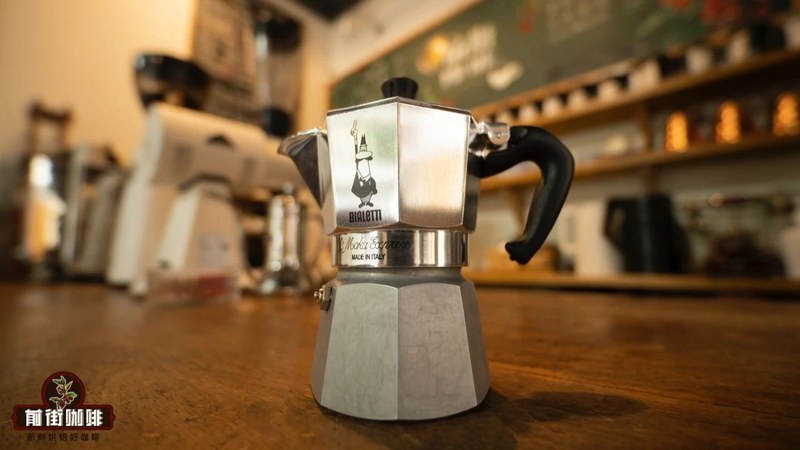
The key parameters of a moka pot are the heat level and the timing of when to stop. Fill the coffee bed and level it gently with a scrape; the grind is slightly coarser than espresso grind, and adding hot water to the pot can shorten the time on the stove. Use medium-low heat when heating, watch the color change once the coffee begins to flow continuously, and remove it from the heat promptly when the liquid turns light, then cool the base of the pot with a small amount of cold water, and the flavor will be more concentrated.
When making Qianjie PWN Indonesia Golden Mandheling with a moka pot, you can fix the dose to the capacity of the filter basket and first use a shorter heating time to find balance. Its low acidity and full texture make it suitable for adding water to make a rich Americano, and it can also combine with milk into a milk coffee with dark chocolate notes. If it tastes too heavy, you can increase the dilution ratio; if it seems hollow and thin, then reduce the amount of water added.

Cold brew and ice drip can also present a nutty chocolate direction, but the parameter logic is different from hot brewing. A coarser grind, a longer contact time and a lower water temperature will make the acidity seem softer, but may weaken the aroma. If you want to retain the cocoa sweetness, you can appropriately increase the dose, take a small amount of the concentrate to taste after refrigerated steeping, then adjust the concentration with water or ice.
Device parameters are not better the more complex they are; the key is that each adjustment corresponds to a clear sensation. First fix the beans, dose and water amount, then change the grind or water temperature, and compare whether the sweetness, thickness and finish on entry change. Once you find the right range, the nutty aroma, chocolate feel and caramel-like aftertaste can steadily appear in your daily cup, and bean selection will also have more direction.
Related Reading



Comments (0)
Loading comments...
You May Be Interested




Trending Reviews
Popular Videos

With you, wherever you are! We provide useful features to help you find new things you'll love






