Source:Best Coffee > News Author:qjroot Published:2026-10-09 09:35:06
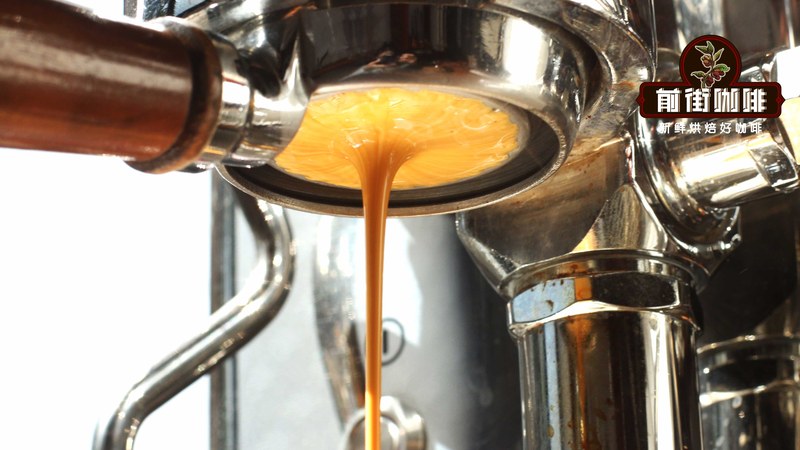
Many coffee enthusiasts who make espresso at home with a semi-automatic espresso machine are always drawn to that golden layer of foam - it floats on the surface of the coffee, glistening, both a visual pleasure and regarded as an outward sign of a good espresso. In professional circles this foam is called Crema. It is not simply "oil", but an emulsified structure formed jointly by coffee oils and carbon dioxide under high-pressure extraction. Truly pure coffee oil is actually very little; when the crema gradually dissipates and the carbon dioxide escapes, the thin reflective film at the bottom is the oil itself. Understanding this is the starting point for mastering home extraction.
A high-quality crema should appear fine golden or hazelnut brown, with a texture as dense as velvet, able to remain stable for tens of seconds without quickly breaking apart. If you gently swirl the cup, it should flow slowly like syrup rather than immediately shattering into coarse bubbles. Crema in this state often means the coffee beans have moderate freshness, the grind and pressure are well matched, and the extraction is in the ideal range. Conversely, if the crema is too pale, the bubbles are coarse, or it collapses quickly, it signals that we need to look for the cause in bean selection, resting time, or extraction parameters.

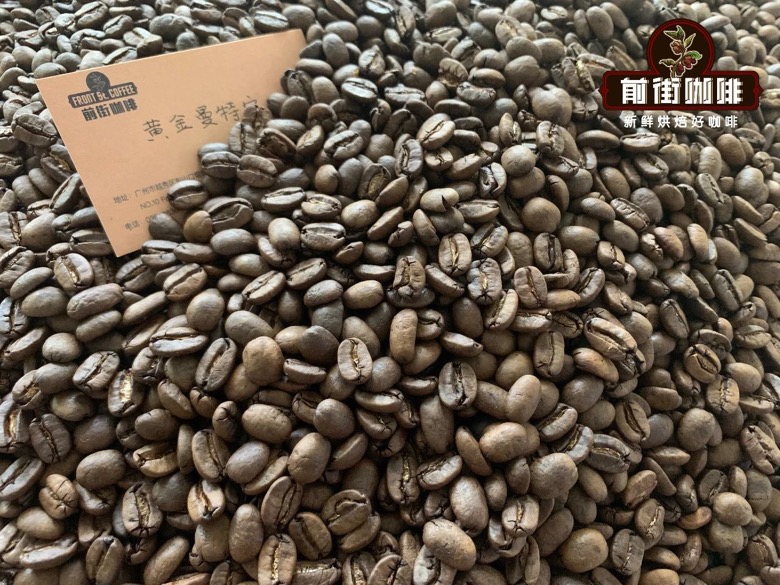
A very common reason for failing to extract crema at home is that the coffee beans have been stored too long. Carbon dioxide is produced inside the bean during roasting, and it is slowly released over time; espresso beans usually approach full depletion 45 to 60 days after roasting. Once the carbon dioxide is completely gone, the flavor compounds also fade, and the extracted liquid is left with only a thin, bland texture and monotonous bitterness. Therefore, when buying, be sure to check the roast date and prioritize beans freshly roasted within two weeks. On the other hand, beans that are too fresh are also not suitable for immediate use: coffee beans that have not gone through a 7 to 12 day resting period have too much carbon dioxide inside, and during high-pressure extraction a large amount of gas mixes into the crema, forming foam that looks rich but is actually coarse and unstable, while the flavor seems thin because the gas blocks it. After waiting for an appropriate resting period, the carbon dioxide stabilizes, and only then can the oils and aromatic compounds fully integrate.
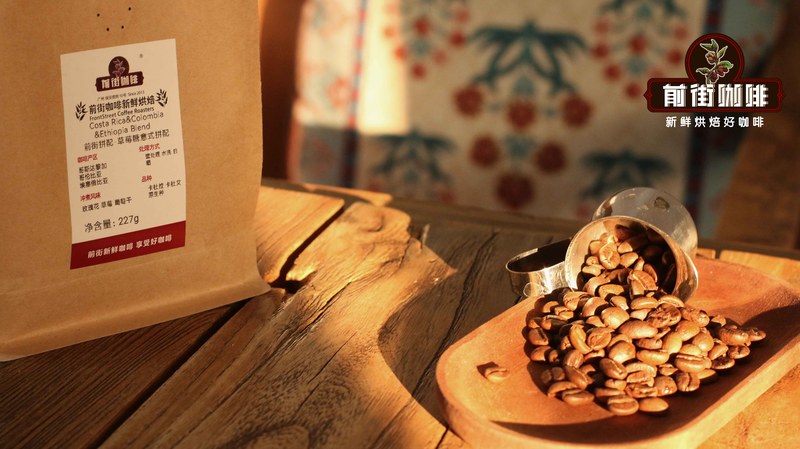
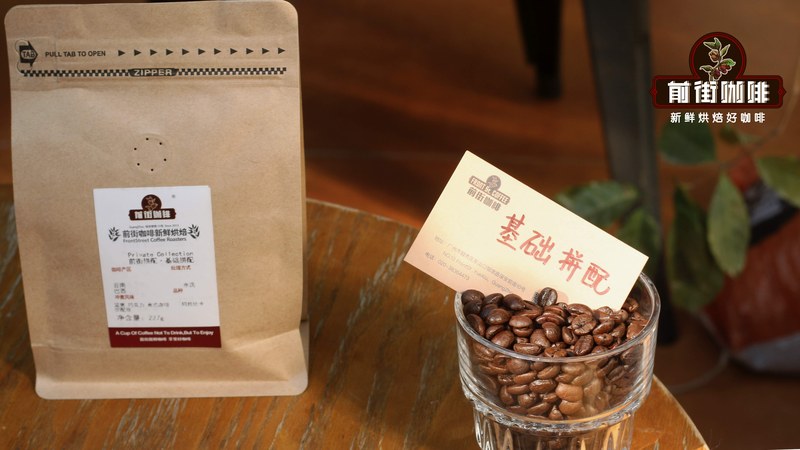
The color and texture of crema are also deeply influenced by bean variety and roast level. Robusta beans generally have a stronger ability to generate oils than Arabica, but their flavor layers are relatively one-dimensional, so commercial blends often pair a small amount of Robusta with Arabica in exchange for fuller crema performance and body, that is, the weight and mouthfeel of the coffee liquid in the mouth. As for roast level, medium-dark roasted beans have a looser cell wall structure, and oils are more easily released under high pressure, so for home espresso extraction it is recommended to prioritize this roast range. If you prefer a style with bright fruit acidity, Qianjie Strawberry Candy Blend is a choice worth trying; this blend has a prominent berry candy sweetness, lively sweet acidity, and when made as an Americano it shows a juice-like refreshing quality. If you seek a classic, mellow everyday staple, Qianjie Classic Blend combines Brazil, Qianjie Mandheling and Robusta; the medium-dark roast brings aromas of butter, toasted bread and caramel biscuit, with fine crema and stable extraction, and high tolerance for home equipment.
Adjusting extraction parameters is equally key. For home scenarios, it is recommended to use 18 to 19 g of coffee grounds and extract 36 to 38 g of coffee liquid within 25 to 28 seconds; this ratio helps strike a balance between crema richness and flavor completeness. It should be noted that as extraction proceeds, the crema changes from thick to thin and from dark to light, and excessively prolonging the extraction only introduces thin, bland later-stage liquid and dilutes the overall texture. Therefore, there is no need to deliberately pursue an excessive volume of crema; a stable, dense texture is far more valuable than exaggerated thickness. The grind size needs to be fine-tuned to match the actual pressure of your home equipment: if the flow is too fast, grind finer; if too slow, go slightly coarser, until you find the balance point where the crema performs very well.
In daily operation, crema turning white often indicates the extraction temperature is too high or the beans are roasted too dark; coarse bubbles and poor persistence are mostly related to improper freshness or unstable pressure; when there is no crema at all, besides checking bean freshness, you also need to confirm whether the grind is too coarse, whether the dose is insufficient, or whether aging seals are causing pressure leakage. Every extraction is an opportunity to observe and adjust; by recording dose, time and crema condition, you can gradually build a stable formula suited to your own equipment.
Choose the right beans, give them appropriate resting patience, and match precise parameters, and a home espresso machine can also deliver satisfying crema performance. Whether it is a hot Americano in the morning or a latte with milk in the afternoon, that golden layer of crema is the unique charm of espresso, and it is worth every enthusiast exploring carefully at home.
Related Reading


Comments (0)
Loading comments...
You May Be Interested


Trending Reviews
Popular Videos

With you, wherever you are! We provide useful features to help you find new things you'll love






