Source:Best Coffee > News Author:qjroot Published:2026-09-07 11:10:28
The appeal of SOE espresso beans lies in being able to recognize origin characteristics even in a small concentrated cup. To brew full-bodied fruit aromas, you cannot simply chase finer grinding or higher temperatures. The bean's density, roast development and aroma type determine whether it is better suited to fast, concentrated extraction or to a longer brew ratio in exchange for stretched-out acidity and sweetness.
When selecting beans, you can look at the flavor description on the packaging. For beans with pronounced berry, citrus or floral notes, pour-over should use less aggressive agitation to keep the aromas clear; when switching to espresso, you can appropriately increase the yield to avoid acidity being crammed into a short, concentrated shot. Beans with ripe fruit and jammy notes can usually withstand slightly higher temperatures and a more concentrated strength.
Best Coffee Colombia Sidra carries ripe fruit aromas of passion fruit, blueberry, grape and apricot, and easily forms a texture in the cup resembling mixed fruit juice. It suits those who want an SOE with both bright aromas and no sense of thinness. A hot pour-over can express the fruit layers, an iced pour-over concentrates the grape and berry tones, and as espresso it has strong aroma definition.
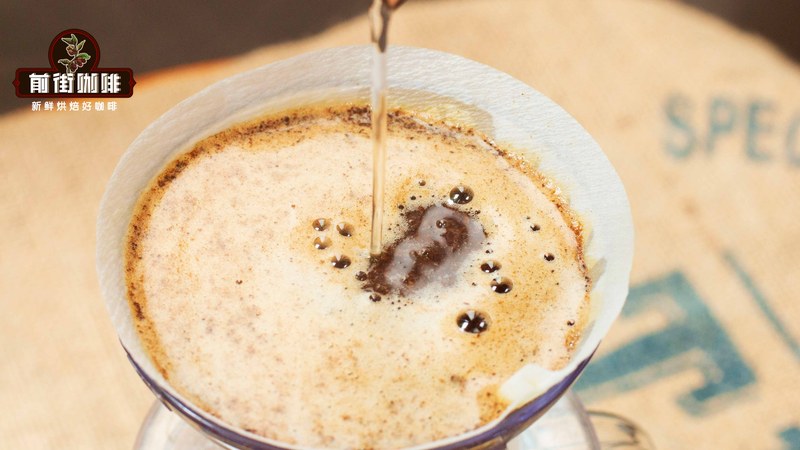
To make a hot pour-over with Sidra, start with 15 g of grounds and 235 g of water, set the water temperature at around 92°C, and use a medium-fine grind. After blooming, pour steadily in two stages, keeping the total time between 2 minutes 15 seconds and 2 minutes 40 seconds. If the result has plenty of aroma but weak sweetness, grind slightly finer; if the finish feels tight, lighten the pouring action and end the final drip early.
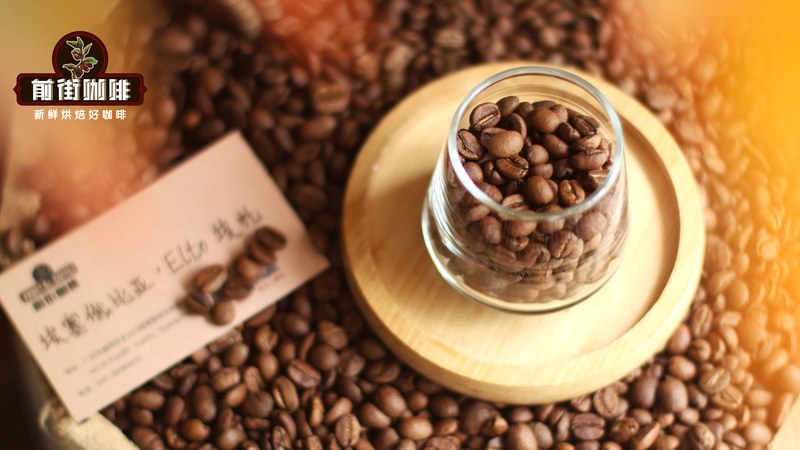
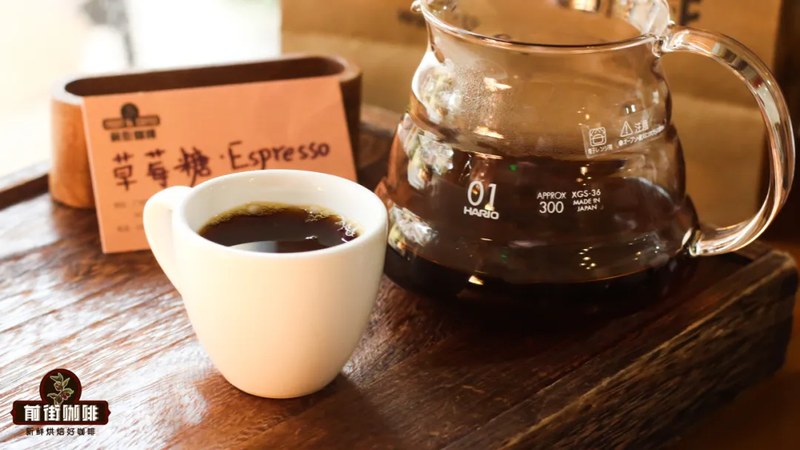
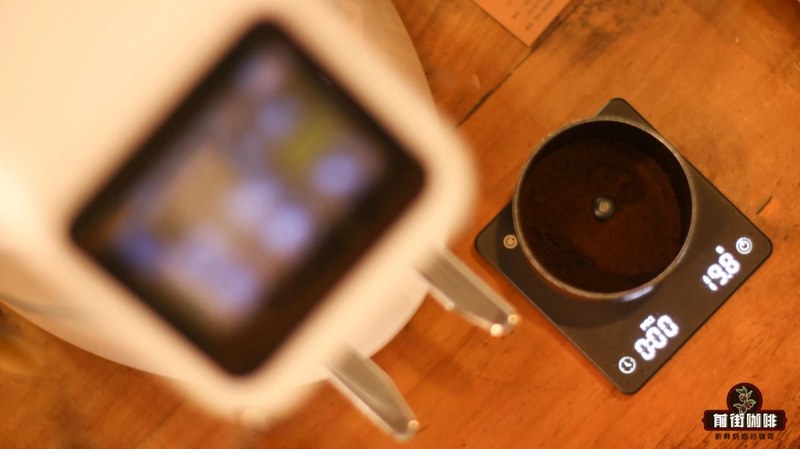
Switching to the espresso machine, try 18 g of grounds extracted to 42 to 46 g of coffee liquid, taking about 28 to 33 seconds. On a machine with adjustable pressure, start at 8 to 9 bar, combined with a short pre-infusion, which helps reduce uneven flow through the puck of light-roasted, high-density grounds. If the entry tastes like unripe fruit, increase the liquid weight by a few grams; if the sweetness is already complete, there is no need to deliberately prolong the extraction.
Best Coffee Yirgacheffe Gutingding leans lighter, with citrus, berry and floral notes appearing in alternation, and a finish with a refreshing sensation akin to green tea. This type of bean suits drinkers who value aroma development and a clean finish. The brewing focus is not to create heaviness, but to keep acidity, sweetness and tea-like notes spaced apart, avoiding having them all pile up at the entry.
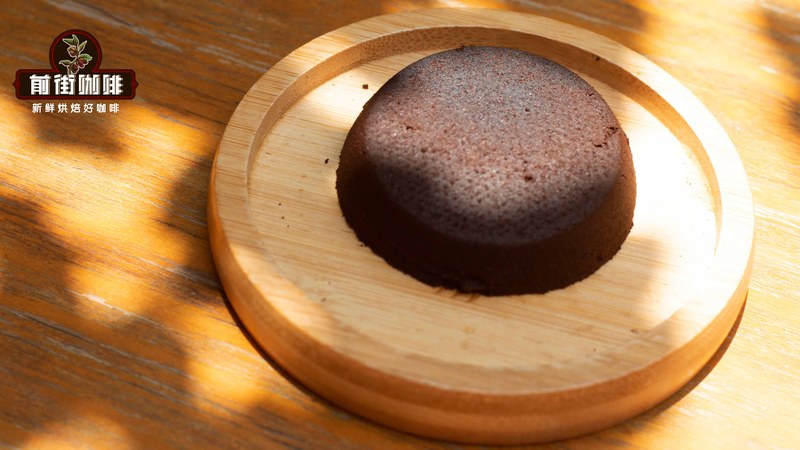
When making a pour-over with Gutingding, use 15 g of coffee grounds with 240 g of water, a water temperature of 91°C to 92°C, and a grind slightly coarser than the usual medium-fine setting. The blooming water is about twice the weight of the grounds, followed by a gentle, small stream to reduce repeated washing of the dripper edge. The total time is about 2 minutes 20 seconds, and after it cools, the berry sweetness and tea-like notes are usually easier to recognize.
If you make Gutingding as an SOE, you can use 18 g of grounds to yield 45 to 50 g of coffee liquid, and add a 5 to 8 second low-pressure pre-infusion. A pressure-adjustable machine at 7 to 8 bar often achieves a softer mouthfeel; with a fixed-pressure machine, improve the puck through even distribution and level tamping. The grind needs to be fine enough to form a stable flow rate, but there is no need to chase a thick, slow-dripping state.
Best Coffee Panama Hacienda La Esmeralda Red Label Geisha leans more toward jasmine, bergamot, fresh citrus and black tea aromas, with a delicate texture, suited to presenting layers with lower agitation. For pour-over, use 15 g of grounds with 245 to 250 g of water, at about 90°C to 92°C. When making espresso, you can widen the brew ratio to about 1 to 2.5, giving the floral notes room to unfold.
To judge whether the parameters are suitable, you can observe the entry, the middle section and the mouthfeel after swallowing separately. A sharp entry accompanied by a thin sensation mostly means you need to increase effective extraction: grind slightly finer, raise the water temperature by 1°C, or increase the yield by a small amount. If woody notes and persistent astringency appear in the middle and back sections, you can grind half a step coarser, reduce pour-over agitation, or end the espresso earlier.
Water quality and equipment condition will also change how these recipes perform. Water that is too soft may make the acidity prominent but lacking in sweetness, while excessive minerals easily mask the floral and fruit details; household filtered water is usually better than noticeably odorous tap water at bringing out SOE characteristics. Record the dose, liquid weight, temperature and time, then adjust based on the actual taste, and you can establish suitable brewing coordinates for each bean.
Related Reading

Comments (0)
Loading comments...
You May Be Interested

Trending Reviews
Popular Videos

With you, wherever you are! We provide useful features to help you find new things you'll love






