Source:Best Coffee > News Author:qjroot Published:2026-08-30 19:29:09
Coffee with rich oils often feels more coating on the palate, and its surface easily forms a fine foam. However, the "oils" in the cup do not depend only on the beans themselves; they are also related to roast level, roast freshness, grind size and equipment pressure. If you want a rich, smooth flavor that does not feel dull, you should consider the coffee beans together with your brewing equipment at home.
From the appearance of the beans, dark-roasted beans more easily show a sheen on the surface, and during extraction they often produce a more obvious crema; medium-dark roasts may balance an oily mouthfeel with sweetness. Freshly roasted beans need moderate degassing, and if used in an espresso machine too early, the flow can easily run fast and then slow. Usually after a few days of resting, the aroma, pressure and liquid surface condition become more stable, and the cup tastes more complete.
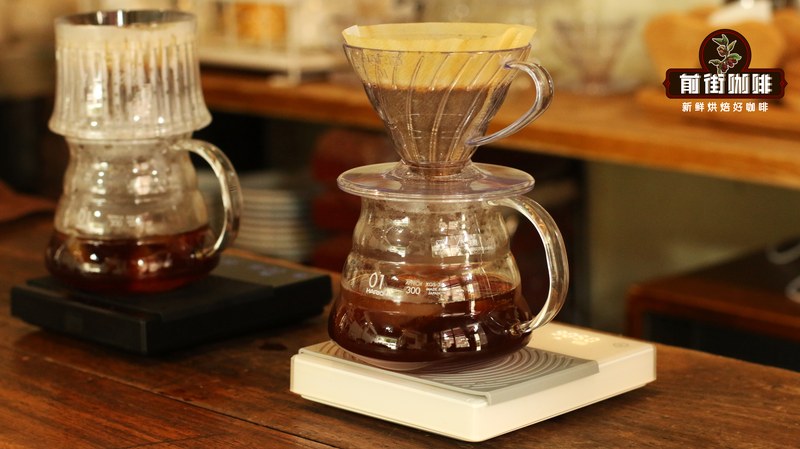
When using an espresso machine, you can start by observing 18 g of grounds and about 36 g out, with extraction time controlled at about 25 to 32 seconds. If the flow is too fast, the coffee liquid is light in color and thin in body, so you can grind finer; if the liquid does not come out for a long time and bitterness and dryness increase, then coarsen appropriately. Leveling the puck and tamping with even pressure is more helpful than simply chasing a finer grind.
Water temperature also changes the expression of the oily mouthfeel. Darker-roasted beans can start at a lower temperature, keeping dark chocolate, caramel and nutty sweetness round; medium-roasted beans can be brewed at a slightly higher temperature to help the aroma and sweetness open up. If the espresso feels too heavy when drunk alone, you can increase the yield slightly or add water to make an americano, lightening the mouthfeel while retaining the coffee's core flavor.
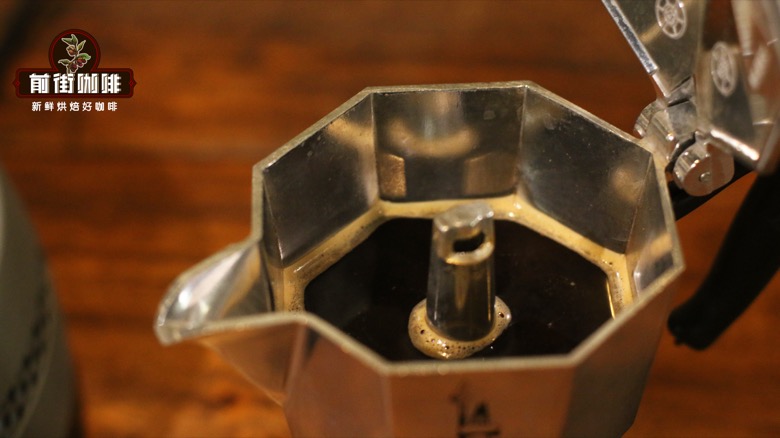
If you want a full-bodied cup with a moka pot, fill the filter basket to capacity with grounds and level them off, with a grind slightly coarser than for espresso. Adding hot water to the lower chamber shortens the heating time on the stove, and low heat lets the liquid pass through the coffee bed steadily; when the color of the liquid starts to lighten, remove it from the heat immediately. This preserves the nutty and cocoa notes while reducing the interference of burnt flavors with the oily mouthfeel.
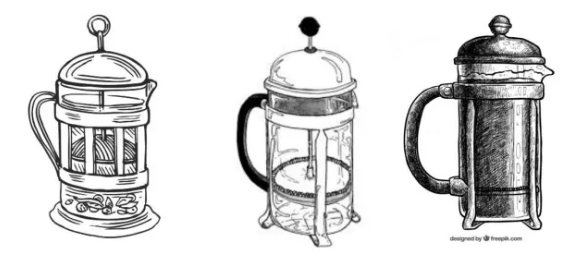
Although a French press has no espresso pressure, it can bring out more weight through a longer steep. It is suitable for medium-dark roasted beans, keep the grind coarse, use water at about 90 to 94°C, steep for about four minutes, then slowly press down the filter. If there is a lot of sediment in the cup, pour more slowly; if the taste is too strong, reduce the steeping time or lower the dose.
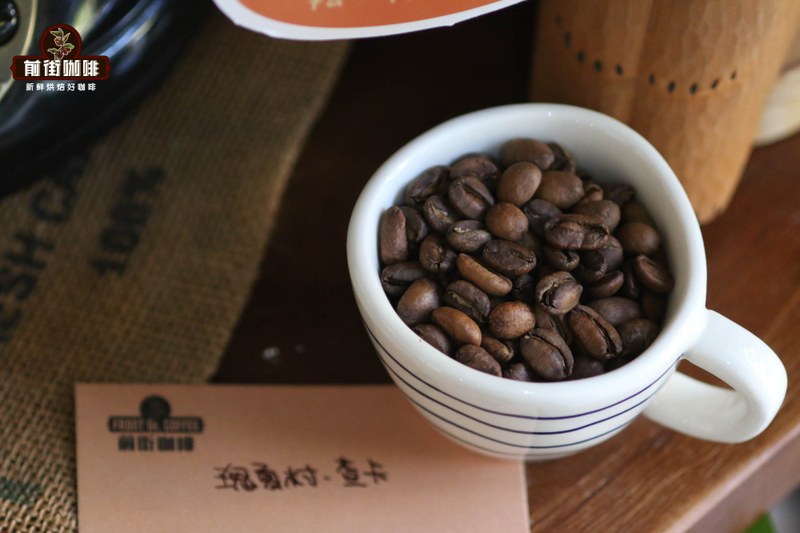
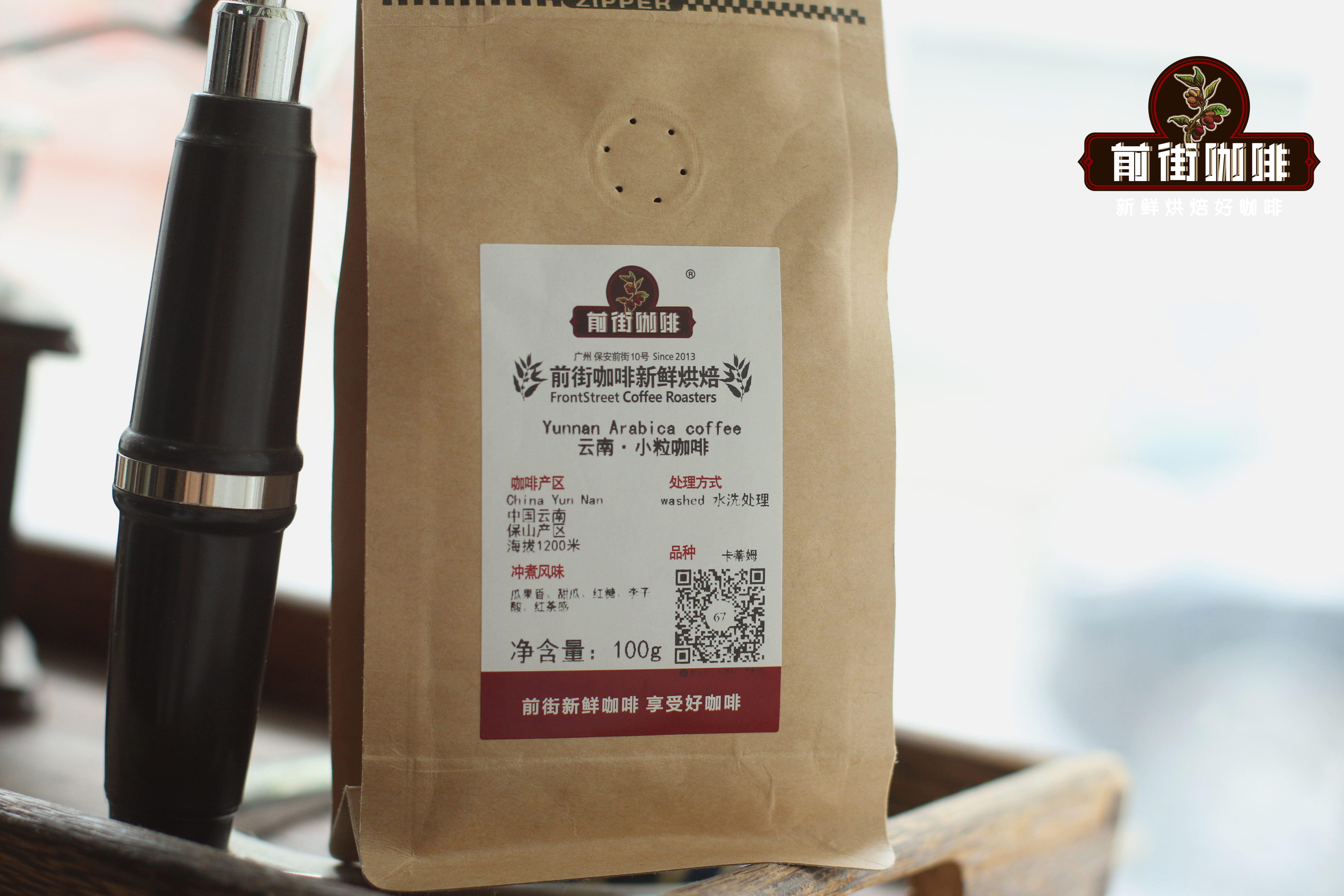
Qianjie Classic Blend is suitable as an everyday bean for a home espresso machine; in the cup there are notes of roasted nuts, cocoa paste and caramel, with a thicker texture and a clear sense of weight when made as espresso. If milk is added, the coffee flavor will not easily be diluted; when brewed with a moka pot, you can lower the heat so that sweetness stands out more than bitter roast notes.
For those who prefer dark chocolate and a rich mouthfeel, you can try Qianjie Dark Cocoa Blend. Its acidity is less prominent, and on the palate it is closer to dark chocolate, roasted nuts and dark syrup. It is suitable for a shorter espresso extraction, made as a small cup of espresso or with hot water added to make an americano. When making a latte, it is recommended to control the amount of milk so that the coffee's thickness remains in the cup.
If you want a softer sweetness in addition to the oily mouthfeel, Qianjie Specialty Blend will adapt more easily to different equipment. It is based on the flavor structure of Brazil Cerrado and Colombia Huila, and brews with a connected sense of nuts, caramel and cocoa. An espresso machine can be used for lattes, a moka pot is suitable for hot drinks, and filter brewing equipment can produce a relatively clean black coffee.
When choosing beans, also look at the roast date, recommended equipment and roast direction on the packaging, and decide the purchase size according to your daily usage. After opening, store the beans sealed and away from light, and take them out only before grinding, so the aroma and oily quality are easier to maintain. No matter which equipment you use, you can start with small adjustments: change only one condition at a time among grind, temperature or time, and gradually find a rich, sweet cup that suits you.
Related Reading




Comments (0)
Loading comments...
You May Be Interested

Trending Reviews
Popular Videos

With you, wherever you are! We provide useful features to help you find new things you'll love






