Source:Best Coffee > News Author:qjroot Published:2026-10-07 16:20:35
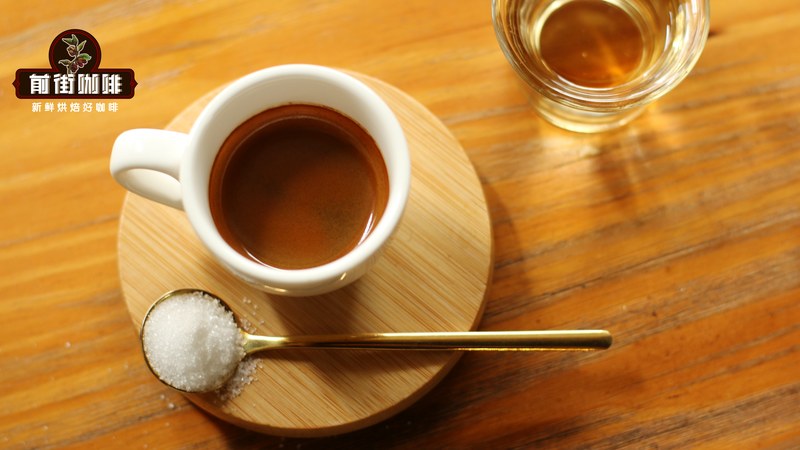
You may have heard of an iced americano with the ice removed, but when someone orders a "full-ice americano with no water," the barista often pauses for a moment - an iced americano without water, is it still an americano? In fact, this question hits exactly the dividing line between two ways of drinking it. The key to understanding them is one formula: espresso plus water equals an americano. Add hot water and it is a hot americano, add ice water and it is an iced americano, while a full-ice americano takes another path entirely, using ice cubes to completely replace the water in the recipe, letting the ice slowly replenish water as it melts. The three methods share the same origin but branch off, and the taste is worlds apart.
An iced americano follows the logic of "mix first, then chill." By the standard ratio for home replication, a double shot is about 40 g, paired with 90 g of ice cubes and 180 g of room-temperature water, with the ice responsible for quickly bringing the whole drink down to a drinkable temperature. Here the ice is more like a small refrigerator; the flavor framework of the coffee is already set the moment the water is added, and afterward it just gets weaker as you drink. A full-ice americano is the reverse, following the idea of "chill first, then replenish water": only ice goes in the cup, and the espresso is poured directly onto the ice for extraction, with the amount of melted ice serving as all the water added. Because the ice's contact area and time with the espresso differ, the concentration curves of the two methods when drunk are completely different.

In terms of mouthfeel and layers, an iced americano is like a plainly told song, with little difference between the first sip and the last; crisp and even is its label. A full-ice americano is more like a narrative with setup, development, turn and resolution: the first few sips are almost the strength of espresso, with aroma bursting out, and as the ice melts layer by layer, the coffee slowly opens up into a state you can gulp down. This "strong first, light later" experience comes from the espresso being instantly temperature-locked by the ice, so the aromatic compounds are fixed by the low temperature before they can escape, while the melting ice water provides just the right dilution, making it far easier to drink than straight espresso and retaining a fuller oily aroma than a regular iced americano.
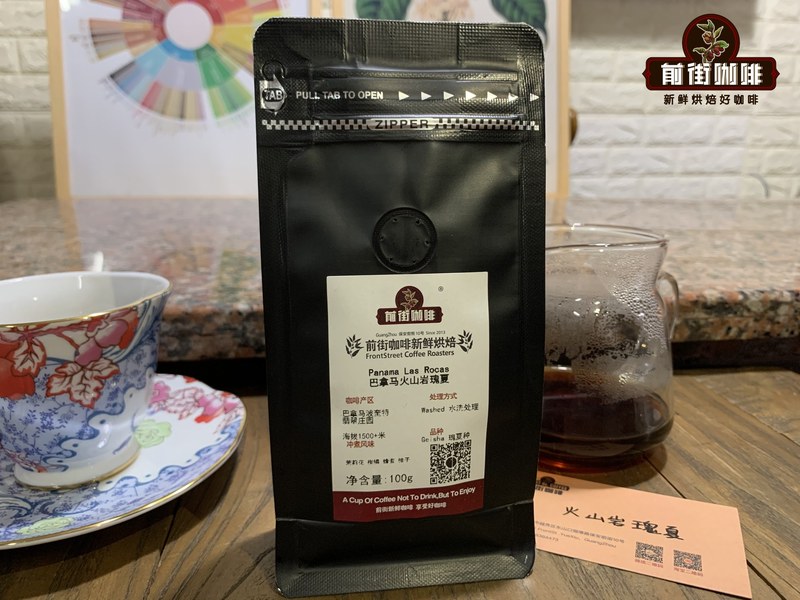
As for bean selection, the two methods each have their own match. For those chasing body and a visually soothing effect, Qianjie commercial blend is a reliable choice. This espresso blend is made of Brazilian and Colombian arabica with a small amount of robusta; during extraction the crema is especially rich, the caramel sweetness is solid, and the layers of nut, cocoa and dark chocolate flavors are very prominent when made into an iced americano, while the sweetness is more concentrated when served hot. For those who prefer a crisp, balanced route, Qianjie Queen's Estate shines as an SOE single origin; the yellow bourbon variety from Brazil's Queen's Estate brings a soft acidity of its own, with a creamy and cocoa character that is moderately full-bodied, and when made into an americano the sweetness is clear, especially suitable for beginners at home who want to understand single-origin flavor in one cup.
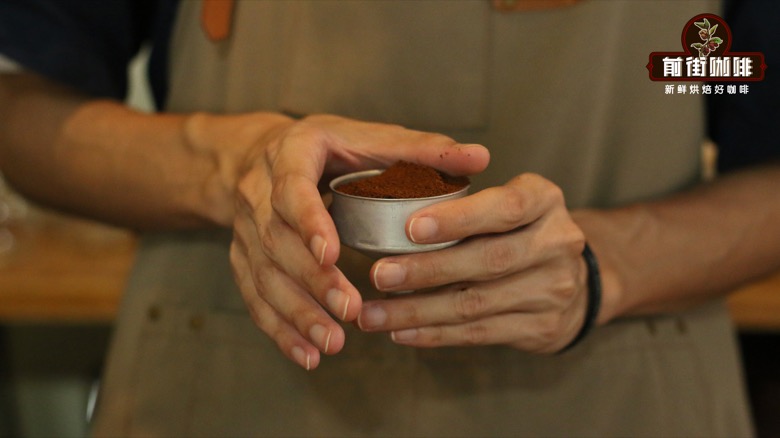
There is one key detail for replicating a full-ice americano at home: use a smaller cup. A regular iced americano is more than fine in a 300 to 400 ml cup, but a full-ice americano is best kept within 200 ml, with a double shot of 36 to 38 g liquid weight paired with about 60 g of ice cubes. Keep the dose fixed at 18 to 19 g, press the extraction time to 25 to 28 seconds, and extract the espresso directly over the cup already holding the ice, letting the hot coffee hit the ice surface instantly. This method is completely different from cold brew - cold brew is low-temperature long soaking, while a full-ice americano is still rapid cooling after high-temperature, high-pressure extraction, merely borrowing the physical state of ice to complete the dilution; in terms of process path it is still an extension of the espresso system.

The parameters of a hot americano can be used as a cross-reference to understand the logic of concentration: the same double shot of 40 g, diluted with 160 to 200 ml of hot water; this dilution ratio becomes 180 g of room-temperature water plus 90 g of ice in an iced americano, while a full-ice americano compresses the water amount down to the part that melts from the ice, so the concentration naturally doubles. It can be said that a full-ice americano is the intermediate state between an iced americano and espresso, building a bridge for those who want to try espresso but fear it is too harsh.
Finally, back to that question of "without water, is it still an americano?" By strict definition, a full-ice americano does indeed walk the edge of an americano, because a traditional americano must have water actively added. But coffee naming has always been more about convention than formula application, and the words "full ice" already self-declare its special identity - not a standard iced americano, but a variant drinking method that uses ice in place of water and melting as dilution. Once you understand this underlying logic, next time you order you can choose according to your own state: for a crisp, transparent sip choose an iced americano, for layer-by-layer progression choose a full-ice americano, for warmth and solidity choose a hot americano - three paths, and the same bean can lead to completely different scenery.
Related Reading




Comments (0)
Loading comments...
You May Be Interested




Trending Reviews
Popular Videos

With you, wherever you are! We provide useful features to help you find new things you'll love






