Source:Best Coffee > News Author:qjroot Published:2026-09-07 10:28:31
Espresso blend beans are not only for espresso machines. Their roast development is usually more thorough, so pour-over yields a rounded nutty, caramel and chocolate profile; put them in an espresso machine, and you can concentrate the crema and intensity. When buying, first judge how you are willing to adjust parameters: if you prefer convenience and stability, choose a recipe with solid sweetness; if you like experimenting, choose a recipe that still has layers as black coffee.
The flavor description on the bean bag can be turned into parameter expectations. Beans described as dark chocolate, roasted nuts and low acidity usually start with a lower water temperature and shorter contact time, which more easily preserves sweet smoothness; if caramel, dried fruit or soft fruit acidity is emphasized, you can give a slightly higher water temperature and fuller extraction. Parameters are not used to remake the bean flavor, but to control the proportion of various tastes in the cup.
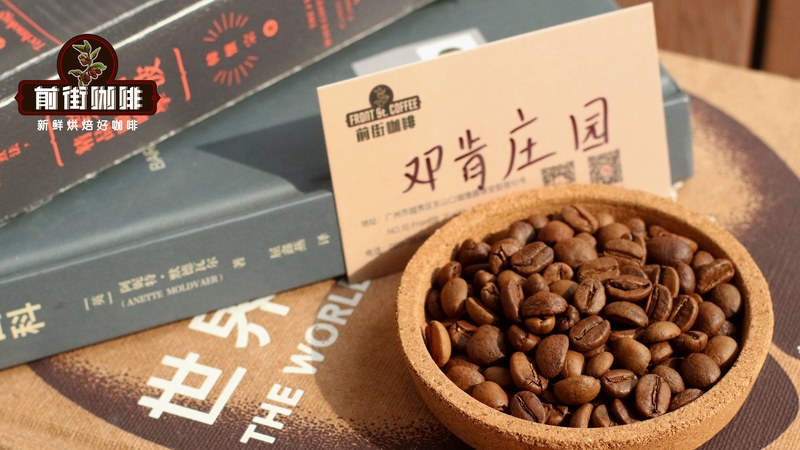
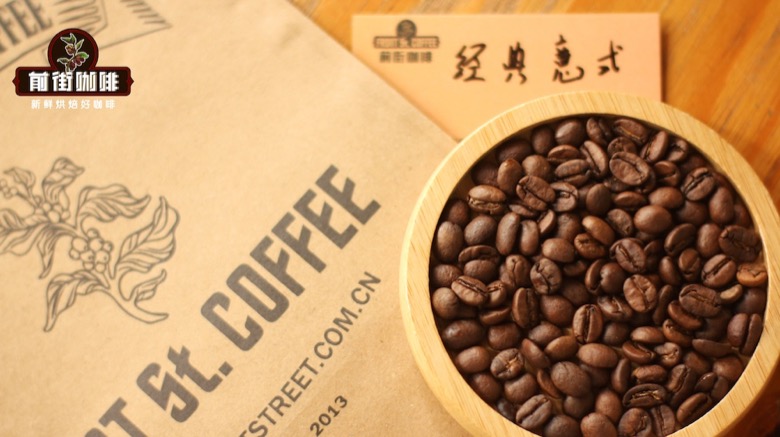
Take Qianjie specialty blend as an example. It is composed of Brazil Cerrado and Colombia Huila, and the cup easily shows cooked nuts, toffee and a soft cocoa feel, with acidity and sweetness that are not assertive. If you have both a dripper and a semi-automatic machine at home, this kind of structurally balanced recipe makes it easier to establish two sets of benchmarks; the same bag of beans can be brewed into an easy-drinking long cup or made into an espresso with sweetness.
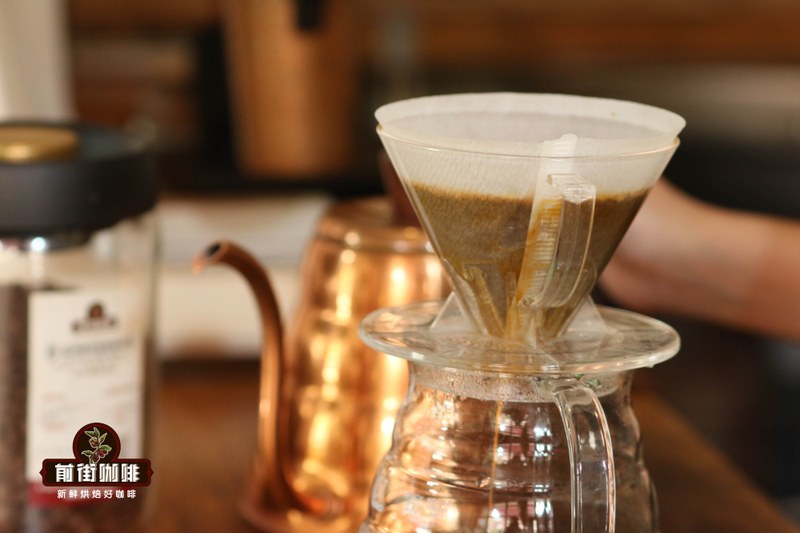
To express this kind of balanced blend with pour-over, start with 15 g coffee and 240 g water, at about 88 to 90°C, with a grind slightly coarser than common light-roast pour-over, and control the total time at 2 minutes 10 seconds to 2 minutes 40 seconds. After blooming, pour in two to three stages, with a gentler stream, which can reduce excessive amplification of roast notes and make caramel sweetness and nutty aroma connect more coherently.
If it drinks like weak tea and the aroma disperses quickly, you can tighten the coffee-to-water ratio from 1:16 to 1:15, which is usually more intuitive than sharply raising the water temperature; if the body is thick but the finish feels tight, lower the water temperature by two degrees, or make the final pour lighter. If the sweetness hides behind the acidity, make the grind one step finer, then compare the mid-palate of two cups to judge whether the extraction has become rounder.
If you prefer a heavy cup, you can look at Qianjie Black Cocoa Blend. It presents high-cocoa-content chocolate, roasted hazelnut and syrupy thick sweetness, with less bright acidity. For pour-over, use 86 to 88°C and a coffee-to-water ratio of about 1:15, and reduce large-stream washing; the cup will be like a refreshing dark chocolate drink; if you raise the temperature and extend the final stage, the bitter aroma will become more prominent.
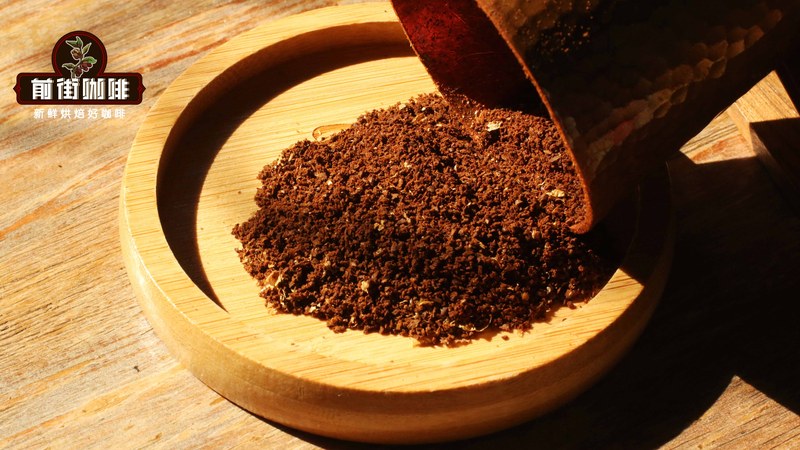
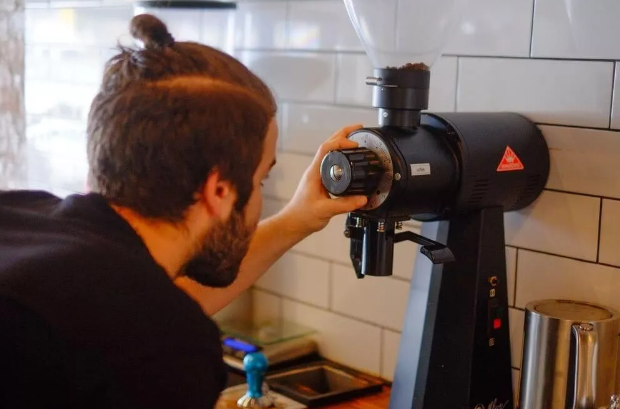
Moving to the espresso machine, first confirm the rated capacity of the portafilter basket. For example, an 18 g basket can hold 17.5 to 18.5 g, and for a balanced blend the target liquid weight can fall at 36 to 42 g, with a time of about 25 to 30 seconds. Set pump pressure at 8 to 9 bar, which makes it easier to observe changes in flow rate; the grind should be fine enough for the coffee liquid to fall continuously while still flowing smoothly, without long stagnation.
If the espresso tastes empty at the start, has a salty feel, and a large amount of liquid comes out in just over ten seconds, it means water is passing through the puck too quickly; you can adjust the grind finer and distribute evenly at the edges when tamping. If the flow is sluggish and the finish is burnt-bitter, adjust slightly coarser, or stop the liquid weight at an earlier point. Pressure is not higher is stronger; stable tamping and even distribution are more helpful for obtaining complete sweetness.
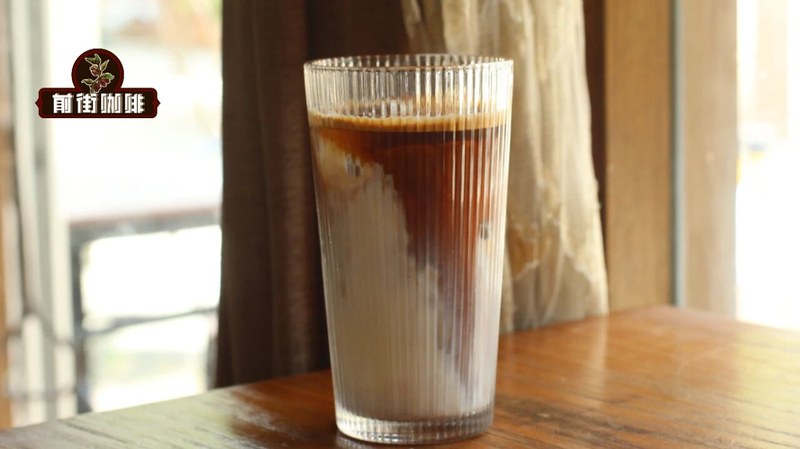
When making milk coffee, the weight of the espresso should match the milk ratio. Qianjie Classic Blend has roasted peanut, cocoa powder and caramelized sweet aroma, with a full texture, suitable for a more concentrated extraction. For 18 g coffee, take 32 to 36 g coffee liquid, paired with 150 to 200 g milk; if the milk amount increases to 250 g, you can stop the liquid weight at 30 to 34 g, so the coffee aroma remains clear.
If the machine can adjust temperature, balanced blends can be tried from 91 to 93°C, while darker-flavor beans start from 89 to 91°C. Set pre-infusion at 2 to 5 seconds, allowing the puck to absorb water evenly, especially suitable for small home baskets. Water quality should also remain stable; too high hardness easily amplifies heaviness and bitterness, while too low makes the sweet aroma feel light, and using filtered water from a fixed source makes it easier to reproduce the recipe.
When choosing espresso blend beans, you can include "what extraction conditions your own equipment can provide" in the buying decision: if you often use a dripper, pay attention to whether medium-temperature brewing can show sweetness and a clean finish; if you often make espresso, see whether it remains harmonious at a smaller liquid weight; if you are used to large milk coffee drinks, choose a recipe with more concentrated cocoa and nutty notes. When beans and parameters match, one bag of blend can unfold into several ways of drinking, each with its own focus.
Related Reading



Comments (0)
Loading comments...
You May Be Interested

Trending Reviews
Popular Videos

With you, wherever you are! We provide useful features to help you find new things you'll love






