Source:Best Coffee > News Author:qjroot Published:2026-09-03 18:42:53
When choosing coffee beans for a latte, you should not only look at the region or flavor descriptors, but also at whether the beans can produce a sufficiently concentrated coffee liquid in a specific device. Espresso machines extract under high pressure in a short time, and milk dilutes the aroma and concentration, so it is suitable to choose beans with clear sweetness and enough body, then adjust the taste to the right point through dose, yield and milk amount.
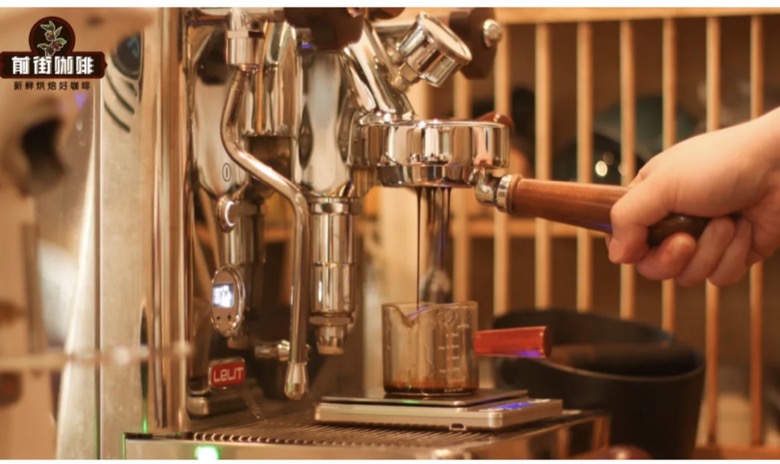
When using a home espresso machine, you can start with 18 g of coffee, 36 to 40 g of espresso, and 25 to 32 seconds as a tasting starting point. This range is not a fixed answer, but it can help judge whether the beans are suitable for milk coffee: if the flow is very fast, the cup may easily retain only milk sweetness; if the flow drags on too long, burnt bitterness and dryness may appear. If the beans are between medium and medium-dark roast, it is usually easier to build a full mouthfeel in a short extraction.
The portafilter basket size also affects the direction of bean selection. A small basket with 12 to 15 g of coffee has a smaller total espresso yield and suits beans with concentrated flavor and bright sweetness; an 18 g or 20 g basket can bring more sufficient concentration, and for a larger latte, the beans need base notes such as cocoa, nuts or caramel. If using a double espresso for a milk coffee of about 350 ml, a single dose often tastes too light.
Tested with a medium-capacity basket, Qianjie Brazil Queen Estate's nutty sweetness, cocoa feel and caramel aroma make the milk present a feeling similar to roasted nuts and milk candy. Its acidity is relatively soft, suitable for controlling the extraction ratio near 1:2, then adding about 150 to 180 ml of hot milk; the finished cup is round and suitable for breakfast or daily repeated drinking.
If the pressure display of the home espresso machine is on the high side, or the extraction easily becomes too concentrated, you can start adjusting with a slightly coarser grind and a shorter yield. For example, take only 32 to 36 g of liquid from 18 g of coffee, then observe whether the entry has sweetness and clear aroma. For beans with lively flavor, shortening the yield can retain more concentrated fruit aroma and avoid leaving only an acidic outline after adding a large amount of milk.
Qianjie Strawberry Candy coffee beans are suitable for making a small latte with this approach. Its sweet aroma has a distinct berry candy feel; if extracting about 30 to 34 g of espresso from 18 g of coffee, then pairing it with 120 to 140 ml of milk, the fruit aroma will land on a creamy sweetness. The milk amount should not be too large, otherwise the light and bright aroma will be covered; when making an iced latte, you can also increase the espresso ratio to maintain presence.
Milk foam parameters also change how the beans perform. When steaming, keep the milk temperature at 55 to 65°C, as sweetness and smoothness are easier to maintain; if the temperature is too high, the cooked sweetness of the milk becomes heavier, and the subtle aromas in the coffee become blurred. If you like a prominent coffee taste, you can use less milk and thinner milk foam; if you prefer a dense texture, you can increase the milk foam volume, but increase the espresso weight at the same time.
When there is no espresso machine, a moka pot is suitable for choosing beans that can withstand higher heat and have body of their own. After filling the basket with coffee, keep it level; the grind is slightly coarser than for espresso, and the water amount is prepared according to the pot's capacity. Heating should mainly be done over low heat; once the coffee begins to flow continuously, stop heating in time, then use a small amount of hot water or milk to adjust the concentration; the finished cup will be softer than directly pursuing espresso.

Putting Qianjie PWN Indonesia Golden Mandheling into a moka pot easily forms herbal notes, dark chocolate-like bittersweetness and a thicker touch. If making a hot latte, use one pot of coffee with about 100 to 130 ml of milk to keep the chocolate character in the cup; if the finish feels too heavy, you can reduce the degree of tamping in the basket, shorten the heating time, or add a small amount of hot water to the coffee liquid before integrating the milk.
Capsule machines, semi-automatic machines and fully automatic machines produce different cup concentrations, so you cannot simply copy the same set of bean parameters. Fully automatic machines often make a longer espresso yield, so they suit medium-dark roasted beans with clear sweetness and body, and the amount of milk in the cup should be reduced; semi-automatic machines can build stronger concentration through dose and yield, and are more able to try fruit-forward single-origin beans. First confirm the machine's default yield, then decide the bean style and milk amount.
To judge whether a coffee bean suits your latte, you can test three cups in succession: first drink the espresso without milk, then add a small amount of milk, and finally complete the finished drink according to your usual cup size. Observe whether the aroma is still recognizable, whether the sweetness has been thinned out, and whether it feels comfortable after swallowing. Once the device's basket size, pump pressure, yield and steaming capability are determined, bean selection can move from abstract flavor imagination to a concrete and stable cup of milk coffee.
Related Reading





Comments (0)
Loading comments...
You May Be Interested




Trending Reviews
Popular Videos

With you, wherever you are! We provide useful features to help you find new things you'll love






