Source:Best Coffee > News Author:qjroot Published:2024-09-29 18:22:29
According to media reports, three U.S. warships in the Red Sea region were recently attacked by missiles and drones launched by Yemen's Houthi armed group, and the U.S. military said it intercepted them. According to U.S. officials, this is one of the largest-scale attacks so far on U.S. warships operating in the Middle East.
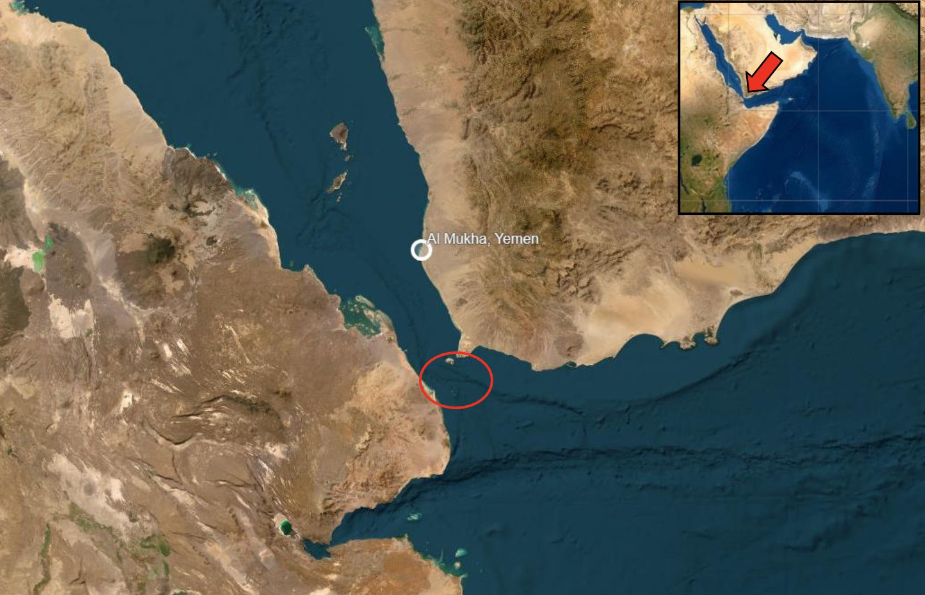
It is reported that the Houthi armed group launched missile attacks on the U.S. destroyer USS Spruance, the U.S. destroyer USS Stockdale and the U.S. heavy cruiser USS Indianapolis. At the time, these three warships were transiting north through the Bab-el-Mandeb Strait from the Gulf of Aden to the Red Sea.
After the attack, a Houthi armed group spokesperson said that the group's navy, air force and missile forces had fired a total of 23 missiles as well as drones and other weapons at the three U.S. warships, and said that the attacked U.S. vessels were at the time "on their way to support Israel," while the Houthi armed group claimed that all three warships were "directly hit."

However, this claim was denied by U.S. officials, who said that U.S. Navy warships intercepted several projectiles launched by Yemen's Houthi armed group, and that preliminary information indicated that these projectiles, including missiles and drones, did not harm the three warships, and the warships did not report any damage.
Since the outbreak of a new round of Palestinian-Israeli conflict last October, in order to pressure Israel to stop its military operations in the Gaza Strip in Palestine, Yemen's Houthi armed group has frequently attacked foreign merchant ships passing through the Red Sea. According to statistics, as of September, the Houthi armed group had launched more than 70 attacks in the Red Sea, sinking two ships, hijacking another, damaging many ships, and causing at least 3 seafarers to die.
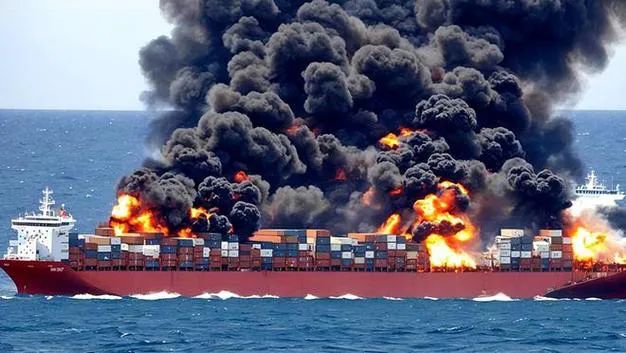
This action forced cargo ships and commercial vessels from many countries to avoid the Suez Canal in order to dodge attacks, instead routing around South Africa's Cape of Good Hope. This delayed voyages by 10 to 14 days and caused shortages of some products, indirectly driving up logistics costs. According to shipping giant Maersk, the impact of the Red Sea crisis on global supply chains has already expanded from the Far East-Europe route to the entire world. As the Palestinian-Israeli conflict continues to spill over, the negative effects of the Red Sea crisis keep spreading outward, greatly affecting every aspect of daily life for people in many countries.
The coffee trade relies heavily on maritime shipping, so it too has been disrupted. As shipping distances grew longer and costs increased, many European buyers reduced their purchases of coffee beans from Asia and turned to Brazil instead. But Brazil's output is limited after all. According to Vietnamese coffee exporter Phuc Sinh Corp, since the Red Sea crisis, freight rates from Asia to Europe have risen nearly 7-fold, reaching 4,000 US dollars per container, causing shipment volumes to fall sharply and dealing a heavy blow to coffee farmers' source of income. Moreover, because of rising freight rates and reports of production cuts in many countries, international coffee prices also soared wildly.

In addition, because the Red Sea is located in East Africa, several East African coffee-producing countries have also reported considerable impact. Some reports point out that the port of Djibouti, located on the Gulf of Aden, has been severely affected. This port is mainly dominated by the shipping company MSC, which accounts for 80% of the port's shipping capacity. Earlier, MSC announced it would completely suspend its services at the port of Djibouti. This has dealt a severe blow to exports of Ethiopian coffee and other goods, all the more so because Ethiopia is a landlocked country and relies heavily on the port of Djibouti for seaborne exports.
At present, according to a report by Swiss coffee trading giant Suncafina, the reduction in vessels has caused serious congestion of goods at the port of Djibouti, affecting shipping schedules and causing delays. In addition, Uganda, Kenya and Rwanda in East Africa are in the middle of their export peak season, but all have reported severe container shortages at Kenyan ports.
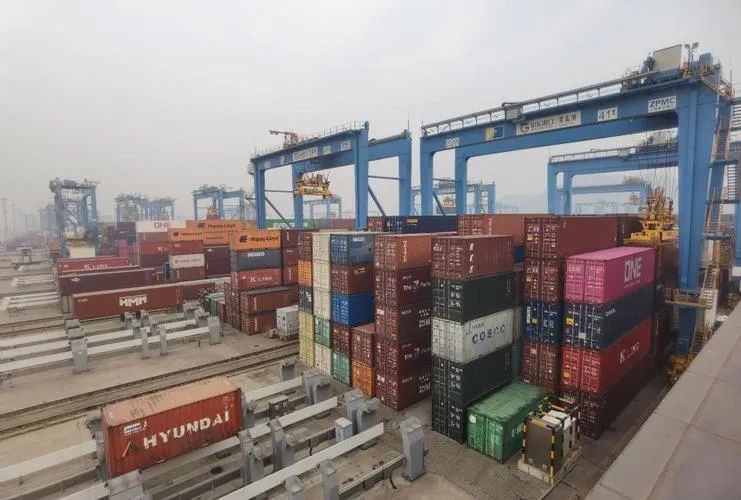
It is said that because major shipping companies all need more empty containers to meet market demand, but due to the Red Sea situation, vessels have chosen to detour to the Cape of Good Hope and to African ports such as those in Kenya and Tanzania. This has increased cargo handling volumes at Kenyan ports, but the port infrastructure has not increased accordingly, leading to cargo pile-ups and persistent vessel congestion at the port, ultimately reducing port operating efficiency.
In addition, since the EU Deforestation Regulation EUDR is being implemented this year, many traders believe that many African countries will struggle to meet the EU's requirements, and have therefore increased their coffee imports from African countries. But because the Red Sea situation has caused shipping delays and longer shipping times, container shortages have also emerged. Moreover, the shipping peak season is about to begin, yet market demand remains high and the situation in the Red Sea region remains severe. Global supply is expected to remain under pressure through the end of this year.
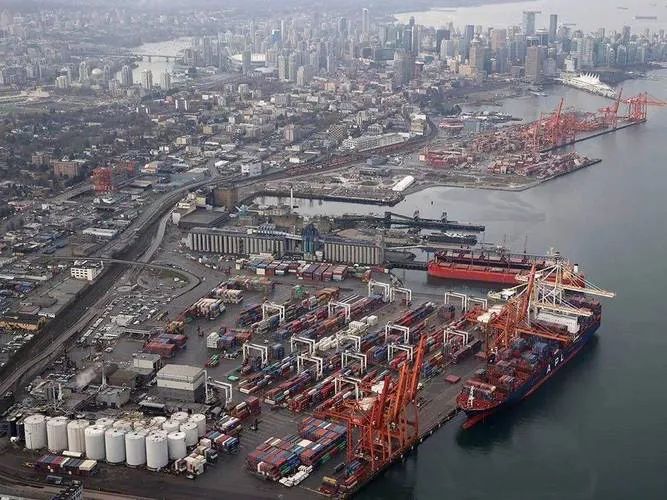
For more information on coffee origins, please scan the QR code to follow: Kaping
Long-press the QR code to follow:

Related Reading







Comments (0)
Loading comments...
You May Be Interested






Trending Reviews
Popular Videos

With you, wherever you are! We provide useful features to help you find new things you'll love






