Source:Best Coffee > News Author:qjroot Published:2024-10-24 18:40:29
According to Ethiopian media reports, at a meeting recently held in Addis Ababa, the capital of Ethiopia, lobbying organizations representing the logistics sectors of Djibouti and Ethiopia discussed how to promote trade between the two countries through cooperation. Ethiopia is a landlocked country with no access to the sea, and most of its foreign trade relies heavily on the port of Djibouti.
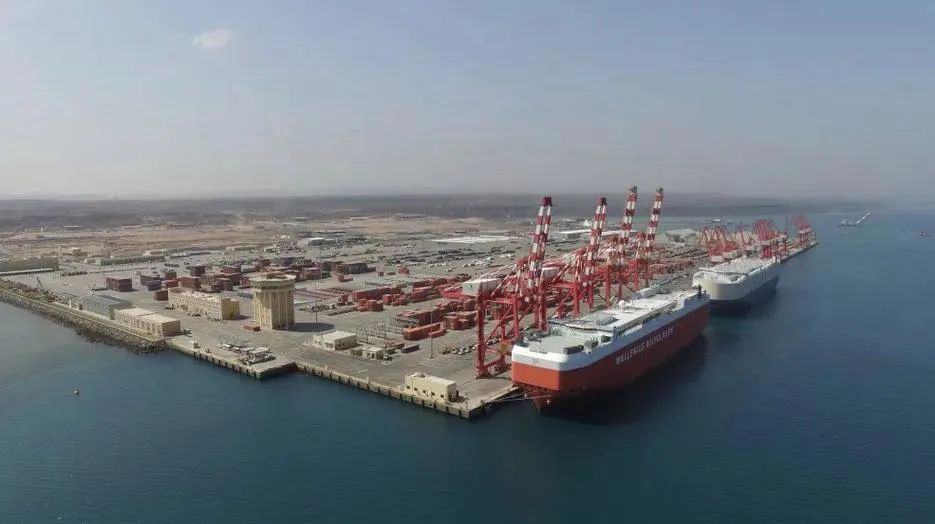
According to the CEO of Peifu International Freight Forwarding Company and Vice Chairman of the Ethiopian Freight Forwarders and Shipping Agents Association (EFFSAA), improving the connection and cooperation between EFFSAA and the Djibouti Freight Forwarders Association (ATD) is crucial to the effectiveness of the industry. It was also stated that both sides have agreed to sign a Memorandum of Understanding (MoU) to work together to strengthen relations and establish a formal communication platform between them. The two sides plan to formally sign the MoU in the near future.
This meeting will benefit the development of multiple industries in Ethiopia, especially major export agricultural products such as flowers and coffee. However, the biggest problem at present is the situation in the Red Sea region. Since the outbreak of a new round of the Palestinian-Israeli conflict in October last year, in order to pressure Israel to stop its military operations in the Gaza region, the Houthi armed forces in Yemen have frequently attacked foreign merchant ships passing through the Red Sea. According to statistics, the Houthi armed forces have so far launched nearly 80 attacks in the Red Sea, attacking more than 180 ships and causing considerable losses.

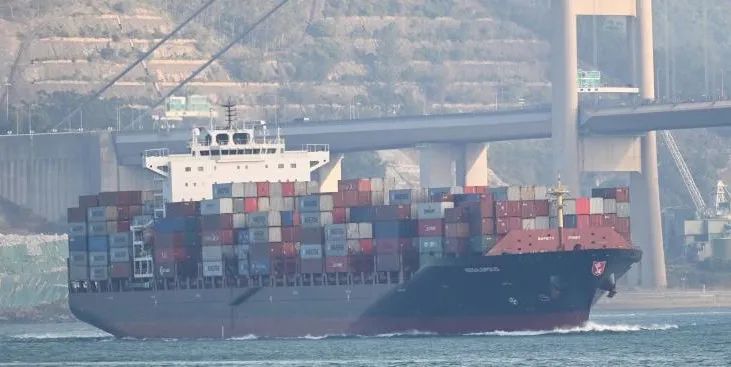
Moreover, the Red Sea situation has not eased in recent times; on the contrary, it has become even worse. According to reports, in mid-October, the Houthi armed forces in Yemen used drones in the Arabian Sea to carry out an operation against a container ship operated by Maersk and flying the Maltese flag, the "MEGALOPOLIS", and successfully achieved their target. It is claimed that the company owning the ship violated the ban on entering occupied Palestinian ports.
In addition, recently Sanaa, the capital controlled by the Houthi armed forces in Yemen, and the northern Saada Province were hit by US airstrikes, with Sanaa suffering 6 airstrikes and Saada Province suffering 9 airstrikes. According to a statement issued by US Central Command, the purpose of these airstrikes was to destroy the Houthi armed forces' hardened underground weapons depots storing missiles and other weapons, weaken the Houthi armed forces' military strength, and reduce their ability to attack ships passing through surrounding waters.
After the airstrikes, the Houthi armed group issued a statement saying that the United States would pay for its actions. Therefore, in the future the Houthis may step up attacks on Israeli territory, and may also intensify attacks on ships passing through the Red Sea region or on US and UK warships, so the Red Sea situation will remain fairly tense for some time to come.
Besides affecting countries and ports in the East Africa region, the Red Sea situation also has a serious impact on global shipping. Recently, according to media reports, shipping companies such as MSC, Maersk, CMA CGM, Hapag-Lloyd, HMM and ZIM will successively announce price increase plans for November, covering multiple routes including Northern Europe, Asia-Europe, the Mediterranean, the Middle East, India-Pakistan and Africa.
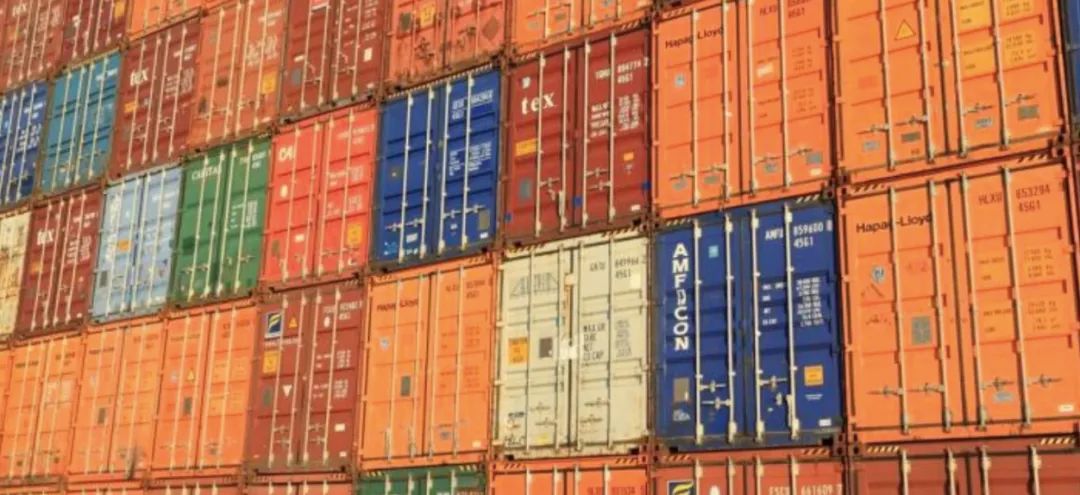
Rising shipping prices will have a severe impact on many industries, especially the coffee industry, which relies heavily on maritime shipping. Higher shipping prices will directly affect the transport costs of coffee traders and manufacturers, and in turn affect the price of coffee beans.
At present, for Ethiopia's coffee industry, the government has recently promised to improve coffee quality and production, but the ongoing armed conflict in the north of the country, although it has not directly affected the coffee-producing areas, has pushed up local prices and increased production costs. And with the Red Sea situation yet to ease and no progress on the port issue, the only option is to look to strengthen logistics cooperation with Djibouti. Therefore, in the near term both the export volume and logistics costs of Ethiopian coffee may be affected.

To learn more coffee origin news and information, please scan the QR code to follow: Kaping
Long-press the QR code to follow:

Related Reading








Comments (0)
Loading comments...
You May Be Interested






Trending Reviews
Popular Videos

With you, wherever you are! We provide useful features to help you find new things you'll love






