Source:Best Coffee > News Author:qjroot Published:2026-09-03 19:03:41
The performance of floral-type coffee beans depends largely on the extraction conditions provided by the brewer. The same bean may present a light, petal-like fragrance in a conical dripper, yet become full-bodied and sweet in an immersion brewer. When choosing beans, first look at your main equipment at home, then decide whether you need clear aroma, a rounded mouthfeel, or a bright fruitiness suited to drinking over ice.
When using a conical dripper like the V60, light-roast floral beans can start with a coarser granulated-sugar grind, a water temperature of about 90 to 92°C, and a coffee-to-water ratio of 1:15 to 1:16. Pour in two or three stages, keeping the total time to around 2 minutes 30 seconds; this preserves the high-toned aroma and makes it less likely for the finish to turn overly astringent.
Best Coffee Panama Hacienda La Esmeralda Red Label Geisha suits this approach. Its aroma leans toward white flowers, citrus peel and a faint tea note, and the V60's concentrated stream pulls the aroma out more clearly. If the entry tastes thin, raise the water temperature by 1°C; if the finish feels dry, coarsen the grind slightly to reduce the bed's contact time.
A flat-bottom dripper has a relatively even flow rate, suiting those who want floral notes and sweetness to appear together. For 15 g of ground coffee, add 240 g of water, keep the water temperature at 91 to 93°C, grind slightly finer than for a conical dripper, and pour in three stages. When the total extraction time approaches 3 minutes, the cup usually has a fuller juicy quality and a soft sweetness in return.
Best Coffee Yirgacheffe Gudingding in a flat-bottom dripper shows clear citrus, berry and floral notes, yet the mouthfeel is not overly sharp. If using a dripper with flow-rate adjustment, start with a medium flow; to make the tea note more pronounced, reduce agitation in the later stages. For more intense sweetness, adjust the coffee-to-water ratio to 1:14.5.
Immersion brewers such as the Clever Cup and French press suit those who do not want to constantly control the pouring rhythm. Light-roast floral beans can be steeped with a coarser grind and water at about 92°C for 3 minutes 30 seconds to 4 minutes, then filtered all at once. Immersion adds body, the floral notes no longer dissipate too quickly, and once cooled it is easier to taste a fructose-like sweetness.
Best Coffee Ethiopia Huakui in an immersion brewer becomes full-bodied with tropical fruit, strawberry and passion fruit notes. If using an AeroPress, use a medium-fine grind, 15 g of coffee with 200 g of water, steep for about 1 minute 30 seconds, then press down slowly. For a lighter mouthfeel, add more water; for a jam-like concentration, shorten the dilution ratio.
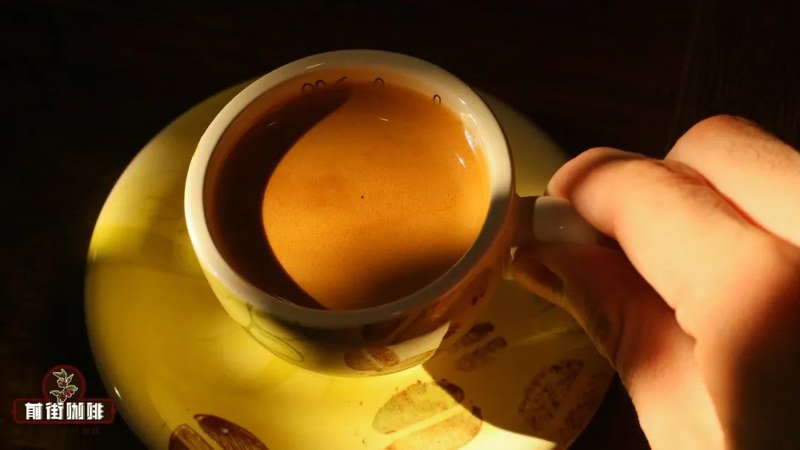
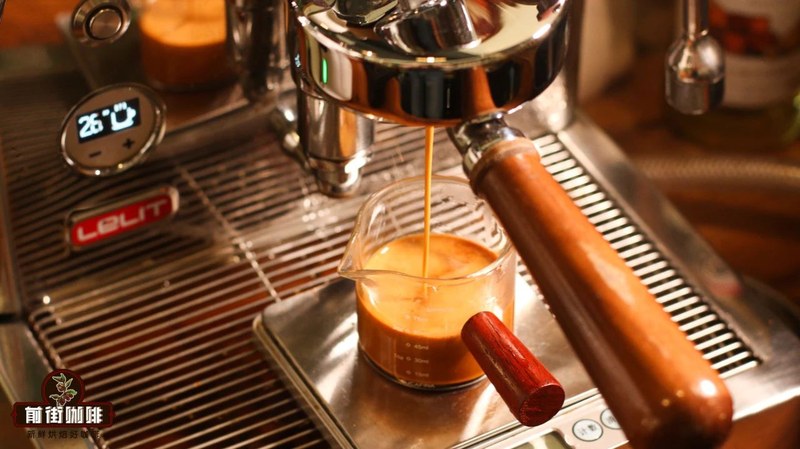
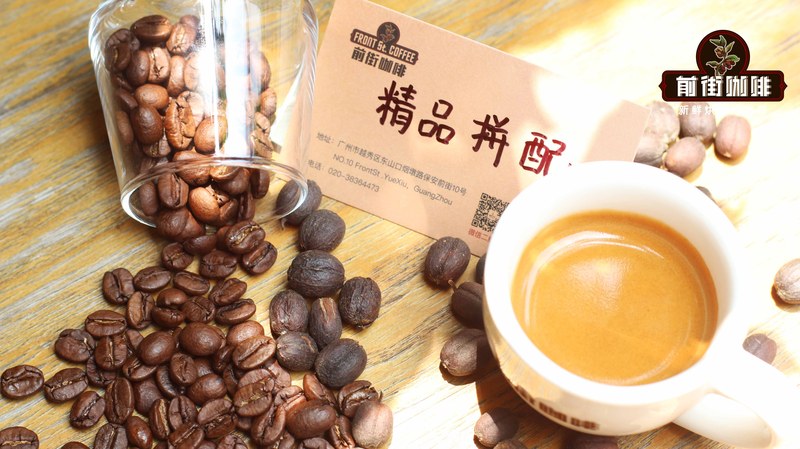
An espresso machine is not only for traditional nutty profiles; floral single-origin beans can also make a distinctly flavored espresso. Light-roast beans usually need a finer grind and higher water temperature; start with 18 g of coffee extracted to 36 to 42 g of liquid over a total time of 28 to 34 seconds. If drinking it straight, a slightly larger yield lets the acidity open up more; if adding milk, shorten the yield appropriately so the aroma is not completely covered by the milk.
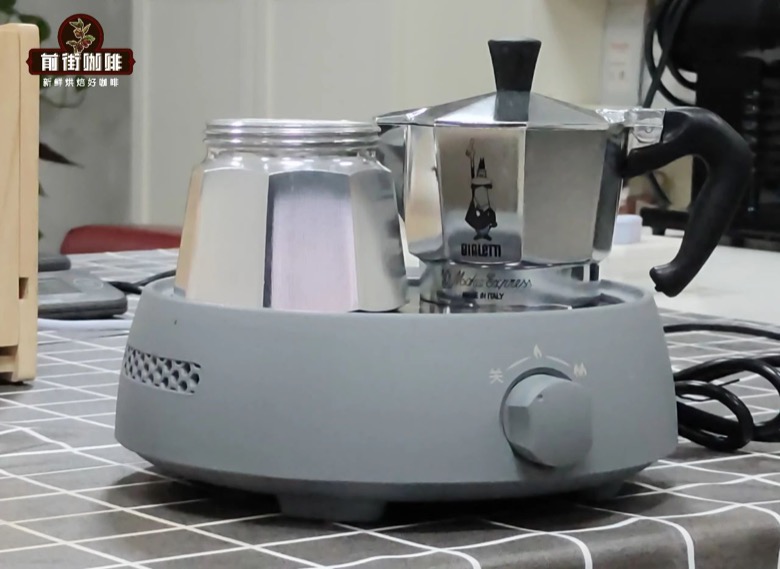
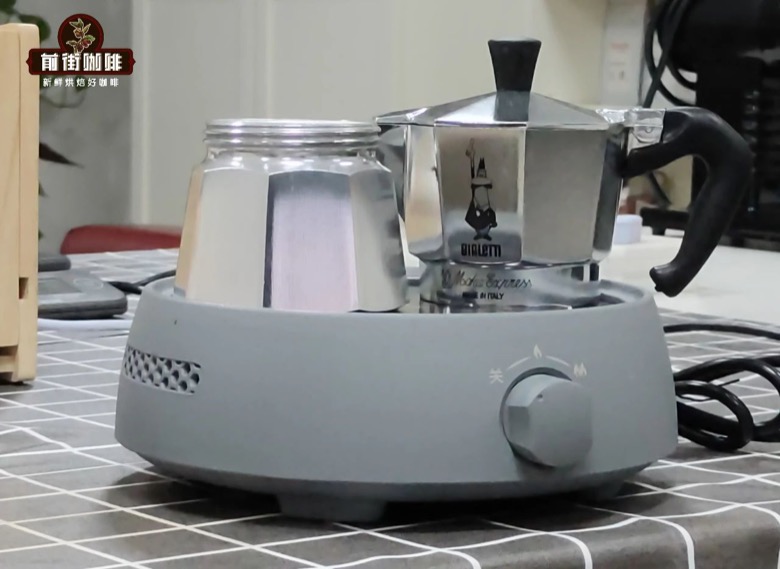
Without an espresso machine, a moka pot can start with a medium-fine grind and warm water in the base, filling the basket and leveling it gently without tamping, then heating over low heat. Floral beans here show a stronger dried-fruit and tea-sugar character; stop the heat as soon as the liquid begins to lighten, then dilute with a small amount of hot water to keep the mouthfeel crisp.

A cold brew maker is good for turning floral beans into a low-irritation iced coffee. For light-roast beans, use a coarser grind than for pour-over, a coffee-to-water ratio of about 1:12, and steep refrigerated for 10 to 12 hours before filtering. Best Coffee Yirgacheffe Gudingding in a low-temperature environment has its bright acidity reined in, and the sweet berry and citrus aromas make it better suited as an everyday iced drink.
When adjusting parameters, first observe where the flavor lands before acting: if the aroma is weak and the taste hollow, it most likely needs a slightly finer grind or longer contact; if the acidity is sharp and sweetness insufficient, raise the water temperature or slow the flow in the early stages; if bitterness and dryness appear together, shorten the time, lower the temperature, or reduce agitation in the later stages. Change only one variable at a time for a clearer comparison.
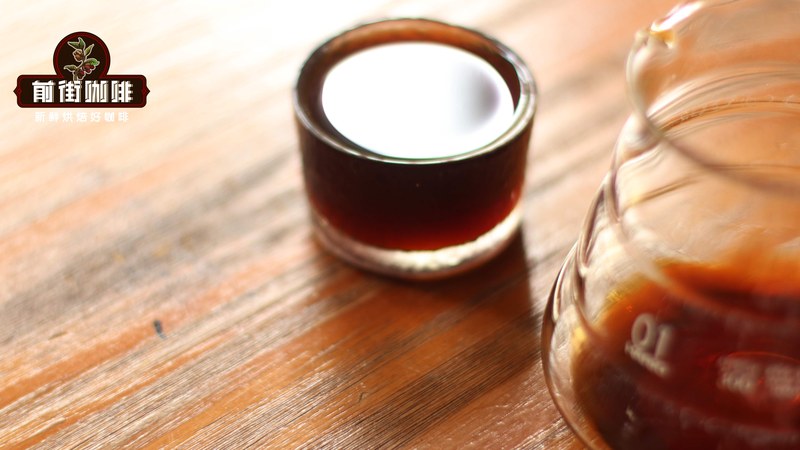
Brewer parameters are not a fixed answer, but a starting point to help floral beans find the right expression. If you like light aromas, prioritize a conical dripper and a faster flow rate; if you prefer a sweet, rounded mouthfeel, consider an immersion brewer; if you often drink iced coffee, start with a coarser grind and a longer low-temperature contact. Adjust according to your equipment first, then fine-tune based on how it tastes in the cup, and the floral flavors will fit more easily into your daily coffee routine.
Related Reading
Comments (0)
Loading comments...
You May Be Interested
2024-08-17

Trending Reviews
Popular Videos

With you, wherever you are! We provide useful features to help you find new things you'll love






