Source:Best Coffee > News Author:qjroot Published:2024-09-21 18:40:59
According to the Ministry of Agriculture and Rural Development of Vietnam, after Tropical Storm Soulik made landfall in central Vietnam on September 19, it caused 1 injury, damaged 93 houses, destroyed 2 schools, and triggered 13 landslides, leaving many roads submerged and severely affecting multiple industries in Vietnam.
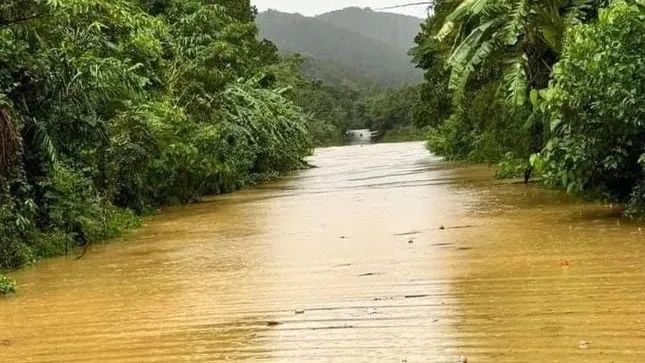
According to reports, the tropical storm made landfall in central Vietnam along the area from Quang Binh Province to Quang Tri Province, with maximum wind speeds of 74 km/h (level 8), gusts of level 10 to level 11, and brought heavy rainfall to multiple coastal provinces in Vietnam, with the heavy rain causing flooding in many places.
This was the second tropical storm Vietnam encountered in September. Earlier, Vietnam had been hit by Typhoon Yagi, the strongest typhoon in 30 years, which triggered severe flooding, damaged some important transportation routes, and forced power supply and telecommunications services in multiple areas to be interrupted. According to the Vietnam Disaster Management Authority, landslides and floods caused by heavy rainfall caused at least 127 deaths and 54 missing, with the situation still deteriorating further.

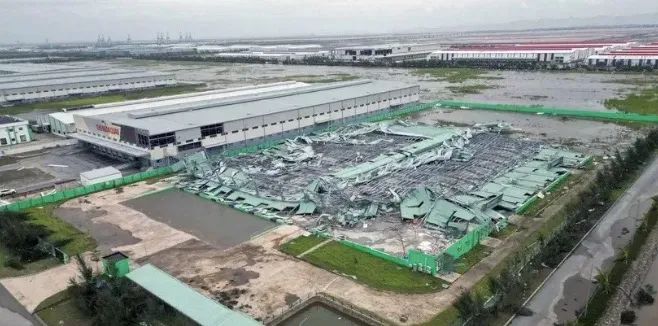
According to reports, the hardest-hit area this time was north-central Vietnam. Flood levels in multiple counties and cities in Vietnam reached record highs. Houses and farmland in many communities were submerged by floodwaters, buildings were torn apart, bridges collapsed, and nearly 50,000 houses were damaged.Farmland and industrial zones also suffered heavy damage in the typhoon. According to Vietnam's disaster management agency, floods submerged about 162,828 hectares of land and 9,543 hectares of cash crops in Vietnam. Floods also damaged power transmission lines, causing power outages in multiple areas, forcing many factories to suspend production, and some companies said it would take at least one month to resume production.
Vietnam's coffee industry has also been affected considerably. Although the two tropical storms Vietnam encountered in September were mainly in north-central Vietnam, they had relatively little impact on west-central Vietnam, including the robusta coffee-producing provinces of Dak Lak, Lam Dong, Gia Lai and Kon Tum. However, these areas were on the edge of the storms and therefore were also affected by relatively strong rainfall.
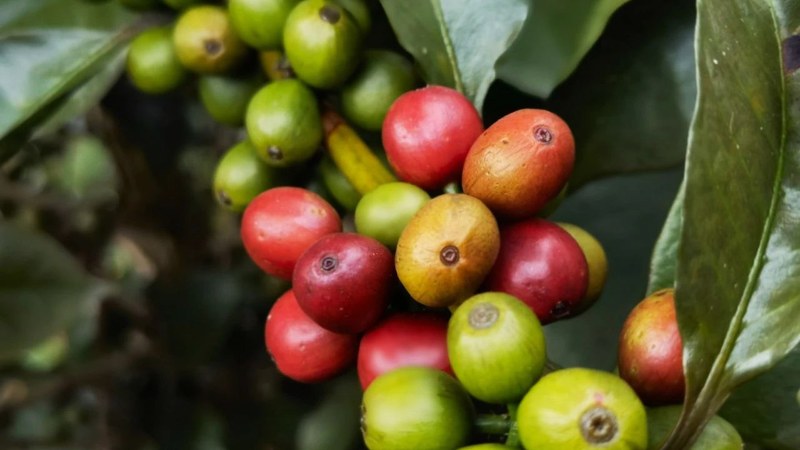
At the beginning of this year, Vietnam reported a severe drought, and the main coffee-producing regions of Vietnam all issued a level-two drought warning. Due to the lack of water, coffee trees wilted and their leaves turned yellow and dropped, resulting in a severe reduction in production. It is understood that October each year marks the start of the harvest period of Vietnam's coffee season, and the crop is currently at the fruiting stage. Encountering heavy rain at this time will knock off some berries and flowers, which will affect the coffee production of the new season. At present,
In addition, this storm has severely affected multiple major ports in Vietnam, blocking coffee exports. The most seriously affected at present are Hai Phong Port in northern Vietnam and Da Nang in central Vietnam. In Da Nang, because it is close to Quang Binh Province, it was greatly affected by the storm, and the typhoon finally swept through Hai Phong Port, also bringing impact there, with ships unable to go to sea and goods delayed.
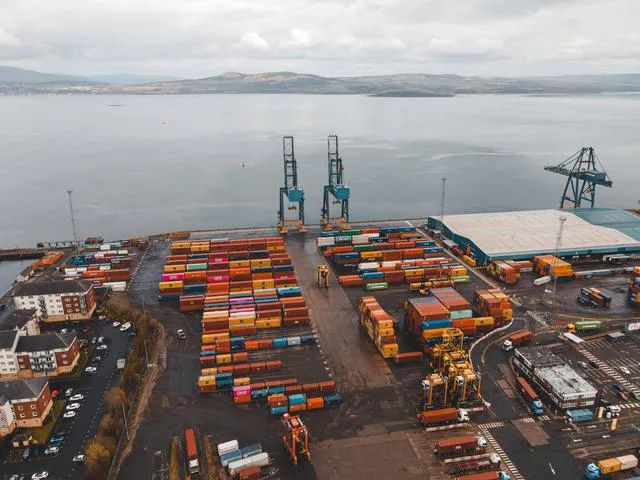
According to reports, some infrastructure at these two ports suffered major damage, and some main cranes collapsed in the storm, causing loading and unloading operations to come to a complete halt. According to Vietnamese logistics companies, some company warehouses were ravaged by the typhoon, and many goods were lost or damaged.
Earlier, according to the Vietnam Maritime Administration, more than 8,000 containers were piled up at Vietnamese ports and left unclaimed. With containers piling up at the ports, port space was heavily occupied, making it difficult for goods to move in and out and reducing customs clearance efficiency. Among them, the port in Ho Chi Minh City was the most severely affected by congestion, with as many as 5,800 containers not collected, followed by Hai Phong City with 1,500 containers and Da Nang City with 186 containers, causing Vietnam's coffee supply chain to face major challenges.
Vietnam's coffee exports are mainly shipped through the ports of Da Nang and Ho Chi Minh City, and the current pile-up of these containers has slowed exports. At the same time, reduced production has sharply cut the volume available for export. According to a report from the General Department of Vietnam Customs, Vietnam exported a total of 1.216 million bags (60 kg/bag) in August; although this was higher than the earlier forecast of 1.16 million bags, it was down 14.1% compared with the same period last year. Moreover, since the 2023/24 crop year, Vietnam's cumulative coffee exports have reached 23,441,199 bags, a decrease of 12.71% compared with the same period last year.
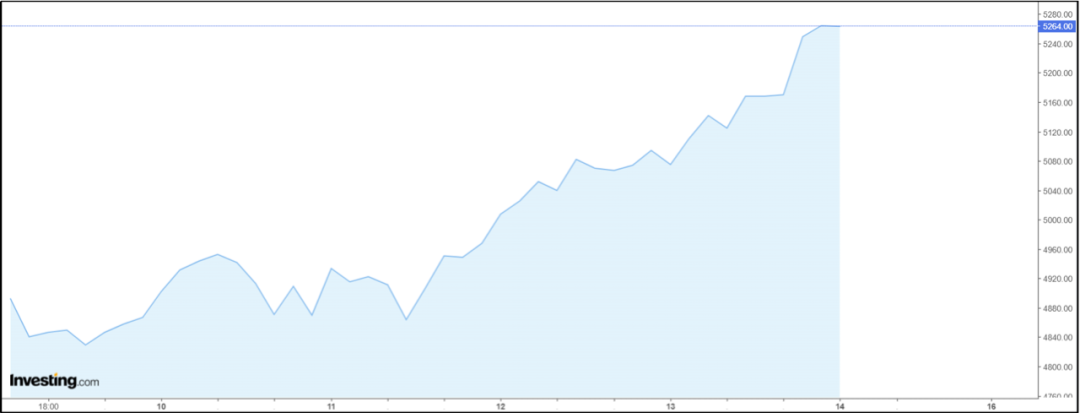
At present, Vietnam's coffee production is low, yet domestic spot coffee prices continue to rise. The price of green coffee beans in the Central Highlands is 110 million to 115 million Vietnamese dong/ton. As the world's second-largest coffee-producing country, Vietnam's various circumstances will simultaneously push up international robusta futures prices.
To learn more news and information about coffee origins, please scan the QR code to follow: Kaping
Long-press the QR code to follow:

Related Reading




Comments (0)
Loading comments...
You May Be Interested





Trending Reviews
Popular Videos

With you, wherever you are! We provide useful features to help you find new things you'll love






