Source:Best Coffee > News Author:qjroot Published:2026-09-03 18:49:32
When choosing beans for a moka pot, you cannot just look at the words light roast, medium roast or dark roast; you also need to look at the pot's capacity, the size of the filter basket, the heating method and the flow rate. The same roast level placed in moka pots of different specifications can change the strength, extraction time and mouthfeel. Sort out the equipment parameters first, then decide on the style of beans, and the actual operation will go more smoothly.
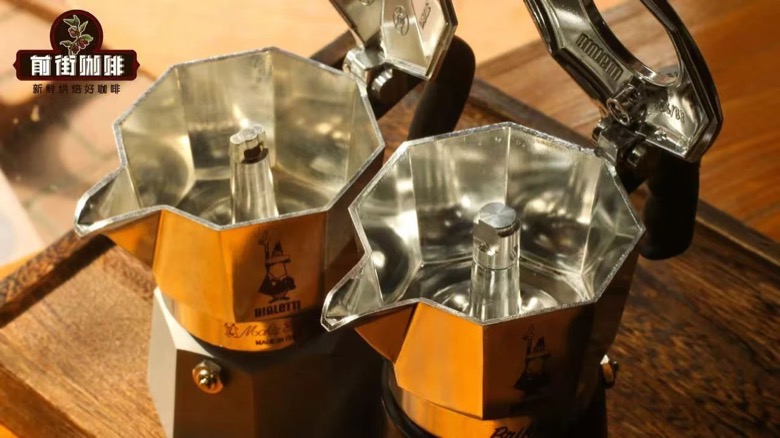
The capacity of the pot body affects the strength of the coffee liquid. A 3-cup pot or 6-cup pot usually needs the filter basket filled in one go, and you cannot casually halve the dose of grounds, otherwise the water flow path and the thickness of the coffee bed will change. A small pot concentrates the flow, so the acidity and aroma of light-roasted beans are more easily amplified; a large pot has a longer contact time, so medium-roasted or dark-roasted beans more easily present a full body, suitable for people who want to drink a rich black coffee.
The hole size of the filter basket and the grind coarseness need to be observed together. Moka pot grounds should not be as coarse as for pour-over, nor ground to the fineness of espresso powder; a state close to fine granulated sugar is easier to control the flow rate. Light-roasted beans have a dense structure, so you can grind slightly finer or use a higher water temperature; dark-roasted beans dissolve quickly, so grinding slightly coarser helps reduce bitterness and dryness, and the coffee bed can simply be leveled gently.

The heating equipment also changes the range of beans to choose. A gas stove concentrates its heat, and the pot bottom heats up quickly, so it is suitable to use medium-low heat to let the coffee liquid rise steadily; an electric ceramic stove heats up more slowly, so you can add hot water first before placing the pot, shortening the time the coffee grounds are heated. If the equipment's heat is on the high side, dark-roasted beans easily develop a scorched feel, while light-roasted beans may show pronounced acidity because the flow is too rapid.
When using a moka pot with a higher temperature and fast flow, light-roasted beans need more meticulous control. It can bring out bright notes like citrus, floral or berry, but when the resistance of the coffee bed is insufficient or the heat is too low, the cup may have only sharp acidity. At this point you can raise the water temperature added to the pot, adjust the grind slightly finer, and remove it from the heat before the coffee liquid's color turns light, so the aroma is retained more completely.
If your moka pot is a small aluminum one, the filter basket is shallower, and you mainly make black coffee, medium-roasted beans usually build a stable taste more easily. Qianjie Brazil Queen Estate is a choice suitable for observing this point; on the palate it first presents the rounded feel of roasted nuts and cocoa, followed by a sweetness similar to caramel. Let it flow out slowly over low heat, and it is also smooth when diluted directly with water.
Medium-roasted beans have a higher tolerance for equipment parameters, so the water temperature does not need repeated large adjustments, and the grind also has a wider operable range. For a larger-capacity steel moka pot, you can let it handle a more complete extraction process, obtaining a thicker coffee texture. If you add a small amount of milk, the nutty, cocoa and syrup-like sweetness can still remain in the cup, and the amount of milk should not be too much.
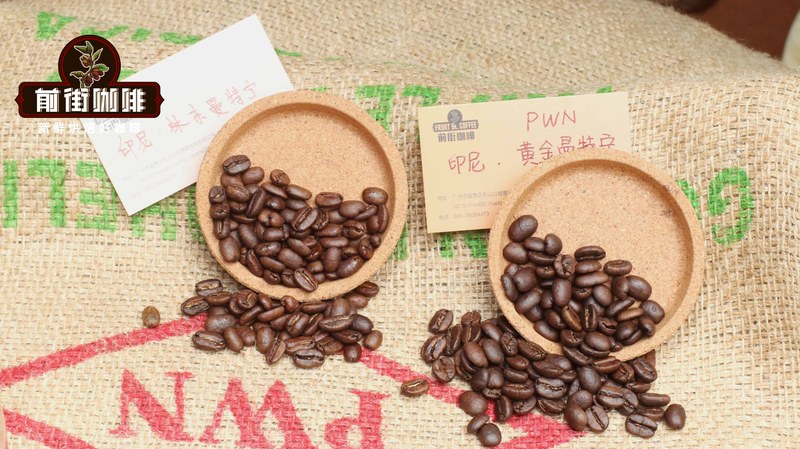
Dark-roasted beans are more suitable for a moka pot with a deeper filter basket, a stable flow rate, or for users who prefer a heavy mouthfeel. Qianjie PWN Indonesia Golden Mandheling, after a darker roast, will have more prominent herbal notes, dark-chocolate-like bittersweetness and a rich mouthfeel, with acidity having a low presence. When making it, you can use warm hot water in the pot, a coarser grind and relatively low heat; it is suitable for drinking directly or adding water to make a rich americano.
If the moka pot has a finer filter screen, or the sealing ring is in good condition and the flow rate is on the slow side, dark-roasted beans do not need to pursue too high a temperature. After the coffee liquid begins to flow continuously, watch the color change from dark to light, remove it from the heat in time, and use the residual heat to complete a small amount of flow. Classic blend-type beans under these parameters easily present nutty, caramel and cocoa notes, and they are very harmonious as breakfast coffee or a small cup of milk coffee.
When adjusting, you can treat the pot's specification as a fixed condition, then look at the cup's performance and make small changes. If the taste is thin and the aroma is not obvious, you can grind slightly finer or extend the heating time; if the bitterness spreads and the tongue feels dry, then lower the heat, remove it from the heat earlier or switch to slightly coarser grounds. When choosing light roast, focus on aroma release; when choosing medium roast, look at sweetness balance; when choosing dark roast, leave room for body. When the equipment parameters match well, the moka pot can steadily make the taste you like.
Related Reading
Comments (0)
Loading comments...
You May Be Interested



Trending Reviews
Popular Videos

With you, wherever you are! We provide useful features to help you find new things you'll love






