Source:Best Coffee > News Author:qjroot Published:2026-10-11 14:13:19
From my own years of running a shop, plus looking at plenty of menus for friends, I've noticed a pattern: at neighborhood street-side shops, the drink rush is concentrated between 8:30 and 10:30 in the morning, when customers want a smooth milk coffee to take away, and only in the afternoon is there scattered demand for pour-over. This type of shop has a fast pace and high repeat business, so menu design should first lock down the milk coffee main line before considering anything else. The core issue with milk coffee is whether the beans can stand up to milk. If the roast is too light or the acidity too jumpy, once it goes into milk it's like punching cotton - the coffee flavor gets completely swallowed up.
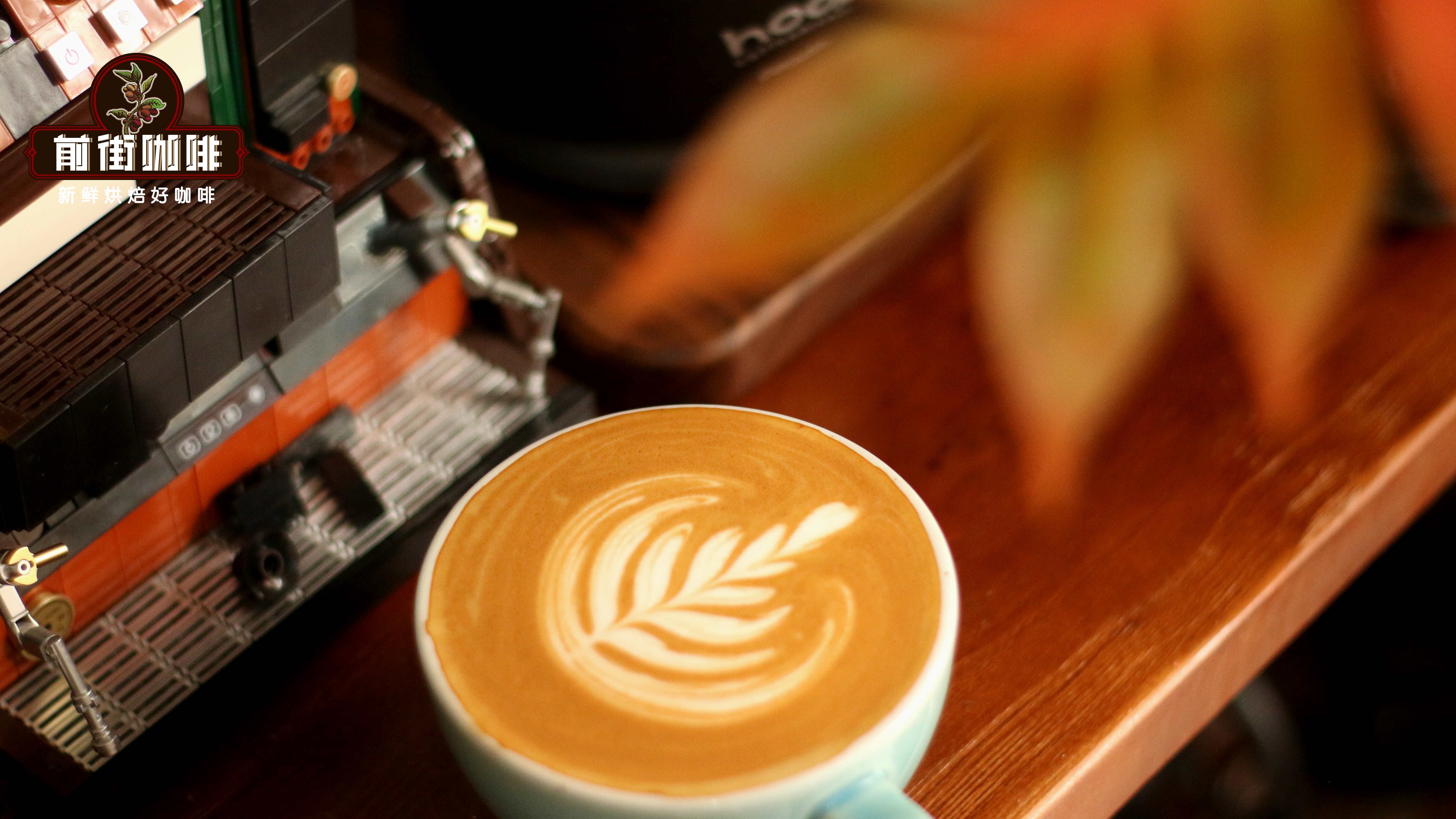
My approach is to tier the menu by milk volume. A flat white has less milk, so the coffee's own flavor needs to be clear enough; you can pair it with a medium-dark roasted blend with fine crema, such as Qianjie Commercial Blend, based on Colombia and Brazil with a bit of robusta. The extracted notes of nuts and caramel are solid, and after blending with a small amount of milk the sweetness gets lifted. A latte has a medium amount of milk and is the volume-driving mainstay; it needs balanced flavor and high fault tolerance, and Qianjie Dark Cocoa Blend is very suitable - Yunnan washed small beans with Brazil semi-washed, medium-dark roast bringing a base of creamy chocolate and cocoa cookies, with crema showing a golden sheen. Made into a latte it's round and smooth, and it's not easy to go off-standard even when staff pull dozens of cups a day.
A cappuccino's milk foam is very thick, so the beans themselves need to be full-bodied enough; otherwise all the customer tastes is the dense foam and can't find where the coffee is. Here the roast can go a bit darker, or use a blend with a slightly higher proportion of robusta, so the espresso's framework supports that layer of thick foam. Qianjie Commercial Blend also works for this tier: its crema is rich and flows well, making latte art easy, and its low-acid, full-bodied taste pairs with cappuccino's thick foam so every sip bites into coffee flavor.
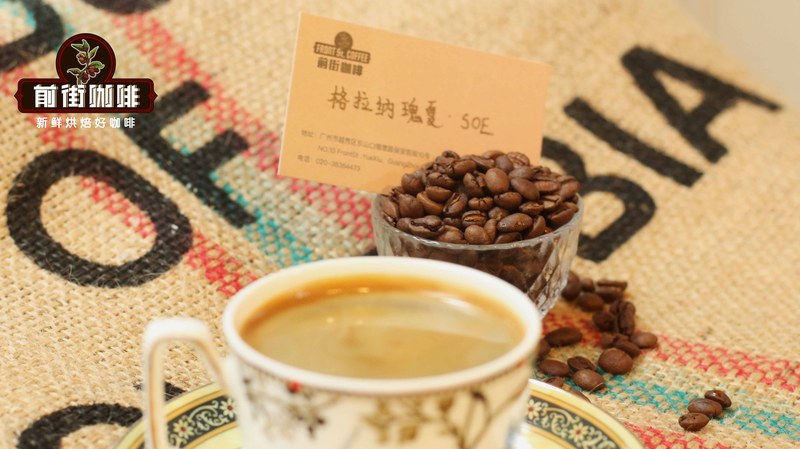
If you want to keep a bit of differentiation on top of serving regulars, you can stock a single-origin bean specifically for milk coffee. Qianjie Grana Geisha SOE is naturally processed and medium roasted; the sweet aroma of yellow peach and apricot with bright floral notes makes milk coffee less heavy than a traditional blend, with a refreshing sense of harmony instead, suitable for recommending to regulars who want to change things up. This bean is positioned in the advanced tier and costs a bit more than a blend, but it can make the menu look layered and also filter out a group of customers willing to try flavors.
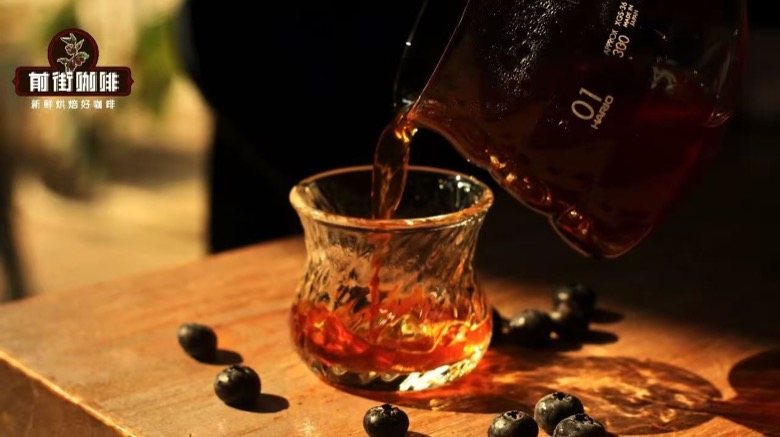
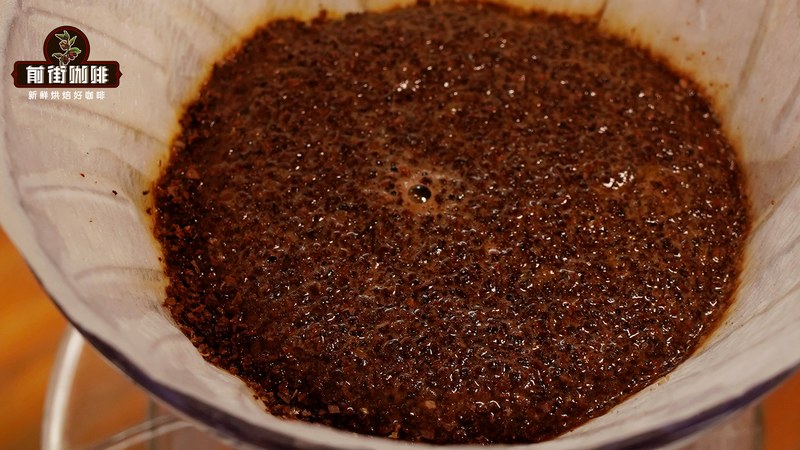
The pour-over line needs separate beans and should be thought about separately from milk coffee. A light roast with bright acidity, once in milk, has most of its fruity acidity suppressed and instead tastes thin, so it's better left to shine on the pour-over line. Qianjie Yirgacheffe Gudingding is washed, with clear citrus, berry and floral notes and a green-tea-like sweet finish; the acidity is bright and the body clean and light. Using 15 g of grounds, a 1:15 coffee-to-water ratio, a water temperature of 90 to 93 degrees, a 30-second bloom, and a total time of about two minutes, you can make a pour-over that makes people want to sit down.
Qianjie Papua New Guinea Paradise Bird can also go on the pour-over menu: triple-washed Typica, medium roasted, bringing the sweetness of toast and nuts, with soft fruity acidity making the body smooth and balanced, suitable for customers who don't like too-high acidity.
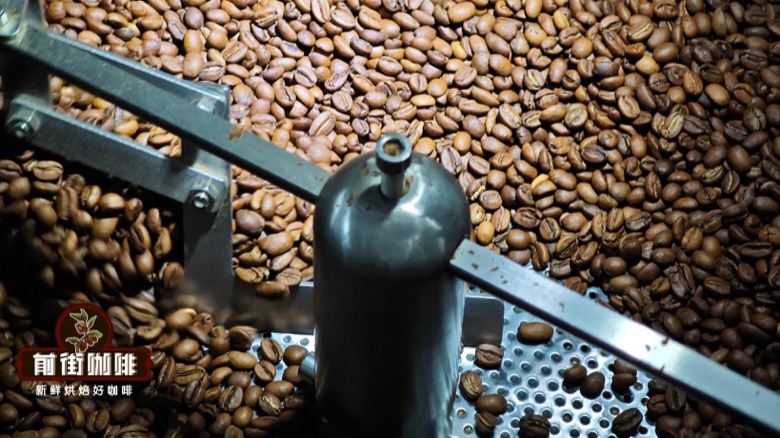
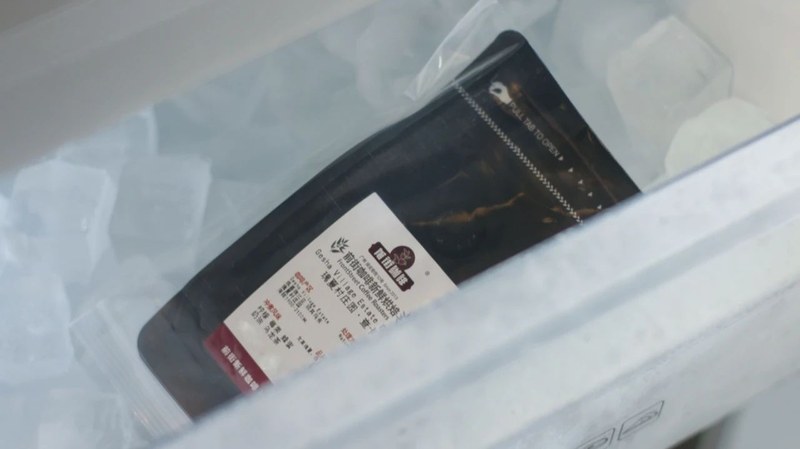
Freshness and resting are the foundation of consistent output. Qianjie's beans are all shipped within five days of roasting; medium-dark roasted espresso beans should be rested for 5 to 7 days after arrival before going on the machine, letting carbon dioxide escape so extraction crema is more stable; single-origin pour-over beans can be used after 3 to 5 days of resting. Drinking within one month after opening gives better flavor, and neighborhood shops turn over quickly, so this pace just keeps up.
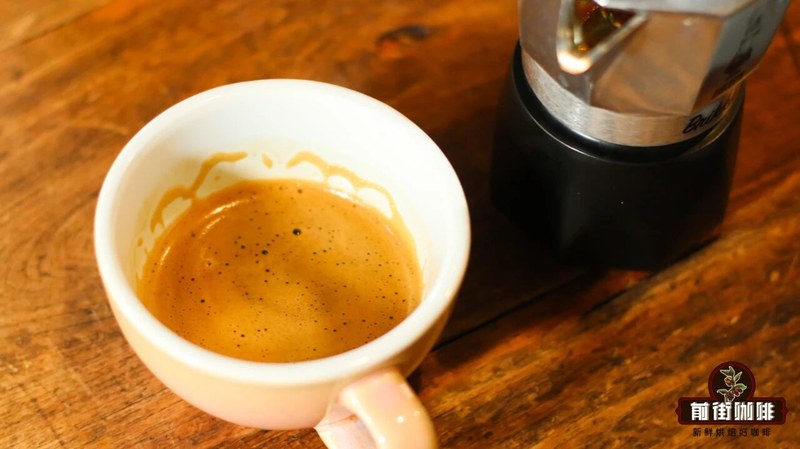
For espresso extraction I always use a double shot, with a dose of 19 to 20 g, yielding 38 to 40 g of coffee liquid, with time controlled at 25 to 30 seconds. At the start of each day, I dial in two cups first to confirm flow rate and taste, and then follow that standard all day.
The milk coffee line's beans should be fixed at one to two kinds; don't be greedy for more. The blend handles the daily staple tier - high volume, stable, easy for staff to master; the SOE serves as the advanced tier, giving customers who want to explore a choice. The pour-over line then stocks two single origins, and the whole menu is complete. A neighborhood shop does business with the neighbors; once customers drink it smoothly they'll come every day. With the roles of the beans clearly divided, the output can stay stable day after day.
Related Reading



Comments (0)
Loading comments...
You May Be Interested


Trending Reviews
Popular Videos

With you, wherever you are! We provide useful features to help you find new things you'll love






