Source:Best Coffee > News Author:qjroot Published:2026-09-07 13:35:20
The floral aroma, citrus notes and tea-like body of Yirgacheffe need a suitable brewing method to unfold. For entry-level beans, there is no need to deliberately avoid acidity; it is better to choose styles with a clear aroma profile and sweetness that can carry the fruity acidity. If you usually use a pour-over kettle, you can focus on light-roast beans; if you plan to also use an espresso machine, leave room for adjustment to accommodate a more concentrated sweet-and-acidic expression.
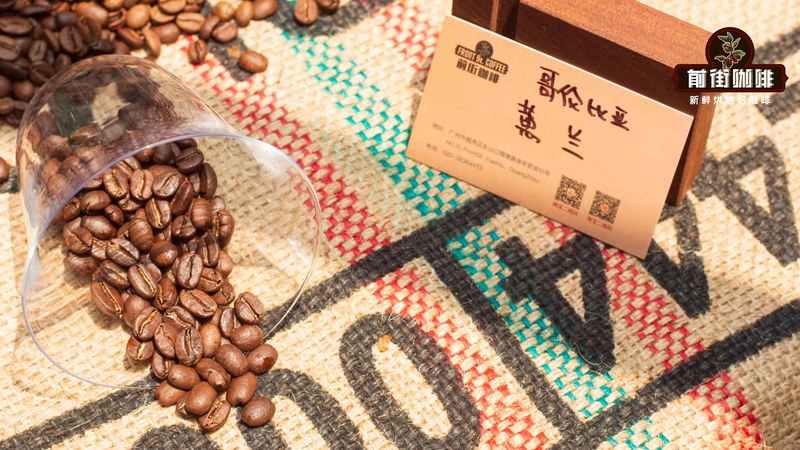
Among specific beans, Qianjie Yirgacheffe Gutingding works well as a clear-cut sample. In a warm cup you can smell light floral notes, and on the palate it brings to mind orange segments and red berries; as the temperature drops, a clean sweetness reminiscent of green tea emerges in the finish. Its flavor boundaries are relatively distinct, and changes in parameters are easily reflected in the cup, making it suitable for practicing judgment of the extraction state.
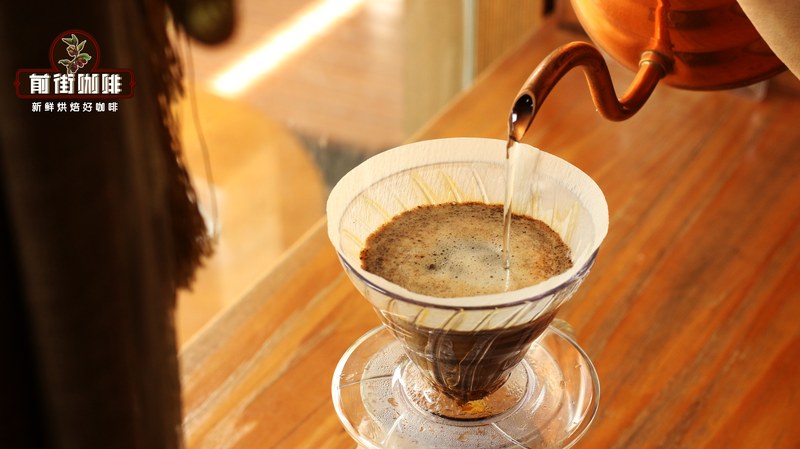
To brew Gutingding with a conical dripper, use 15 g of coffee grounds with 240 g of water, set the water temperature at 91 to 93°C, and grind to a medium-fine level. First bloom with about 35 g of water, wait 30 seconds, then pour steadily in two stages. The total time falls between 2 minutes 10 seconds and 2 minutes 40 seconds, which usually balances floral notes, fruity acidity and tea-like body.
If the acidity on entry fades very quickly and ends before sweetness appears, you can raise the water temperature by 1°C, or grind slightly finer, so that soluble compounds are released more fully. If an obvious astringency appears in the finish, pour more gently, reduce repeated washing of the edges of the coffee bed, and remove the dripper promptly once the target water amount is reached to preserve a clean finish.
If you prefer sweeter, more outgoing fruit aromas, you can use Qianjie Ethiopian Huakui as another practice bean. It is not Yirgacheffe, but a reference to help understand another expression of Ethiopian coffee: strawberry-like sweetness connects with passion fruit and ripe tropical fruits, the aroma is fuller, and it still has high recognizability when made into a cold drink.
For Huakui pour-over, you can slightly lower the concentration, using 15 g of grounds with 225 to 230 g of water, keeping the water temperature at 90 to 92°C, and grinding slightly coarser than for Gutingding. When pouring in three stages, make the first stage ample in water volume, which helps open up the fruity aroma. For iced pour-over, place 80 g of ice in the server and control the hot water at about 160 g for a brighter entry.
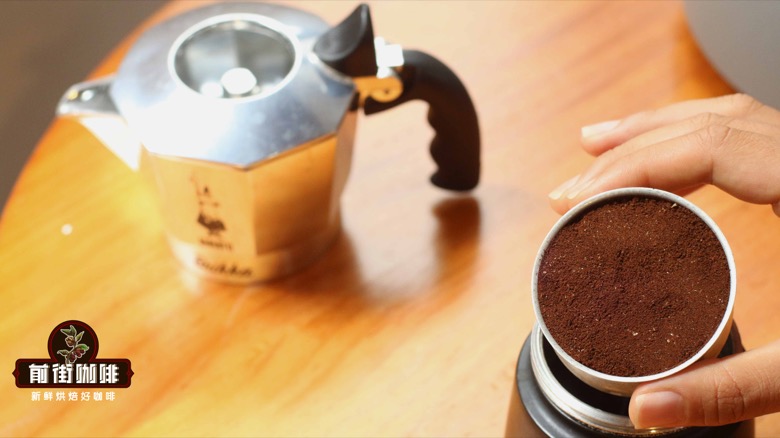
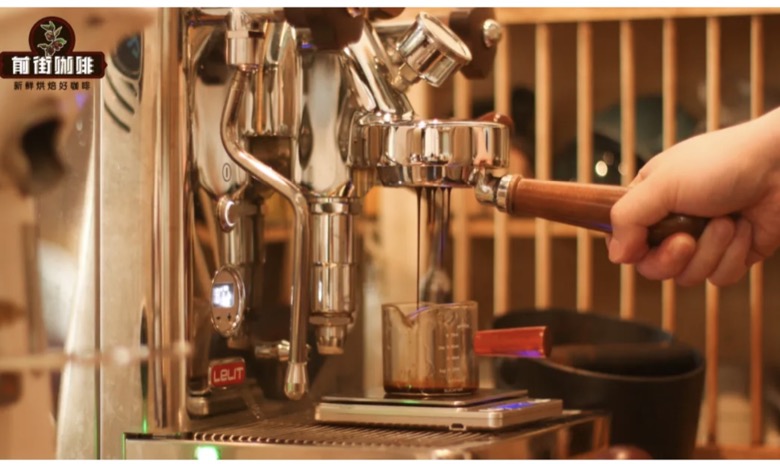
When putting light-roast Yirgacheffe into an espresso machine, the key is to get both fruity acidity and sweetness into the espresso. With a 58 mm basket, you can try 18 g of grounds, extracting 42 to 45 g of coffee liquid, in about 28 to 33 seconds, with the water temperature set at 93°C. On machines with adjustable pressure, use 8 to 9 bar; the grind needs to be fine, but the flow should not become intermittent.
If the espresso tastes like unripe citrus, you can increase the yield slightly, or let pre-infusion last 4 to 6 seconds so the puck absorbs water evenly. When the aroma is ample but the body is thin, it is suitable to adjust the grind slightly finer rather than simply increasing pressure. If the machine can only maintain fixed pressure, improve uniformity through distribution, level tamping and yield weight.
When Huakui is used for espresso, a slightly faster flow is suitable to preserve its unrestrained fruity aroma. 18 g of grounds can extract about 44 g of coffee liquid, with the time controlled at 26 to 30 seconds and the water temperature at about 92°C. Drunk straight, it delivers concentrated sweet aromas of strawberry and tropical fruit; when made into a long drink with a small amount of ice water, the aroma is easier to perceive than when a large amount of milk is added.
Brewing water also changes the expression of Yirgacheffe. When there are too few minerals, the cup can easily seem empty; when hardness is too high, the floral notes may be suppressed. For household water, you can refer to a total dissolved solids range of about 70 to 120 mg per liter. There is no universal answer for grinder settings; they should be judged together based on actual flow rate, the speed at which the liquid level drops, and the mouthfeel on entry.
When choosing entry-level beans, you can use Gutingding as practice for floral notes, citrus and tea-like body, then use Huakui to experience a richer fruity sweetness. Each time, record the water temperature, grind setting, coffee-to-water ratio, and the difference in the coffee when warm and after cooling; after a few brews you will be able to find the parameter range that suits you, and it will also be easier to read the next bag of Yirgacheffe.
Related Reading


Comments (0)
Loading comments...
You May Be Interested


Trending Reviews
Popular Videos

With you, wherever you are! We provide useful features to help you find new things you'll love






