Source:Best Coffee > News Author:qjroot Published:2026-09-11 16:55:18
The process of selecting coffee beans is essentially about finding a compatible brewing approach for the flavors in the cup. Every coffee bean contains different aromatic compounds and dissolves at different rates, so everything from grind size and water temperature to the pouring rhythm needs to work in harmony with the bean's roast profile. Understanding how pour-over parameters shape flavor allows you to choose beans with much greater precision.
Light-roasted coffee beans, which retain abundant organic acids and aromatic compounds, need gentle and steady heat to awaken their layers. If the water flow is too forceful during brewing or the extraction time is drawn out too long, the originally delicate fruity notes can easily become muddled. Through finely divided pours, you can clearly tease out the upfront aromatics and the sweet finish within the bean.

Take Qianjie Grana Estate Geisha, which showcases rich floral and fruity notes, as an example. This bean carries white flower fragrance, juicy sweet apricot, and a rich strawberry jam-like aroma. A water temperature of 90°C is recommended, using 15g of coffee grounds, pouring 225ml of hot water, employing a three-stage pouring method, and keeping the total time to 2 minutes 10 seconds. First use 30ml of water to thoroughly wet the coffee bed and bloom for 30 seconds, then pour in two stages with a steady circular motion up to the target liquid volume.
The three-stage brewing allows the aromatics of Qianjie Grana Estate Geisha to unfold layer by layer. The first pour rapidly releases the high-toned volatile aromatics reminiscent of orange blossom, while the middle and later pours steadily extract the full sweetness of apricot and jam. This staged rhythm gives the extraction a sense of tension and release, so that even after the black coffee cools, it still possesses a bright and lingering layering.
If it is a bean whose processing method brings intense tropical fruit flavors, its flavor compounds release relatively actively, and the brewing approach should focus on a smooth display of juiciness. If such beans are steeped too long, the fermented aromatics may become overly heavy, so by reducing the number of stages and speeding up the overall flow rate, it is easier to achieve a clean and bright fruity coffee.
For example, Qianjie Colombia Sidra, which has a pronounced tropical character, often presents a juicy mouthfeel interweaving purple grape, passion fruit, and fresh blueberry on the palate. When brewing this bean, a water temperature of 91°C is recommended, weighing 16g of coffee grounds, with a total water volume of 240ml, using a two-stage pouring method, and keeping the total time at 1 minute 55 seconds. After blooming with 40ml of water, pour directly with a steady stream continuously up to 240ml to finish.
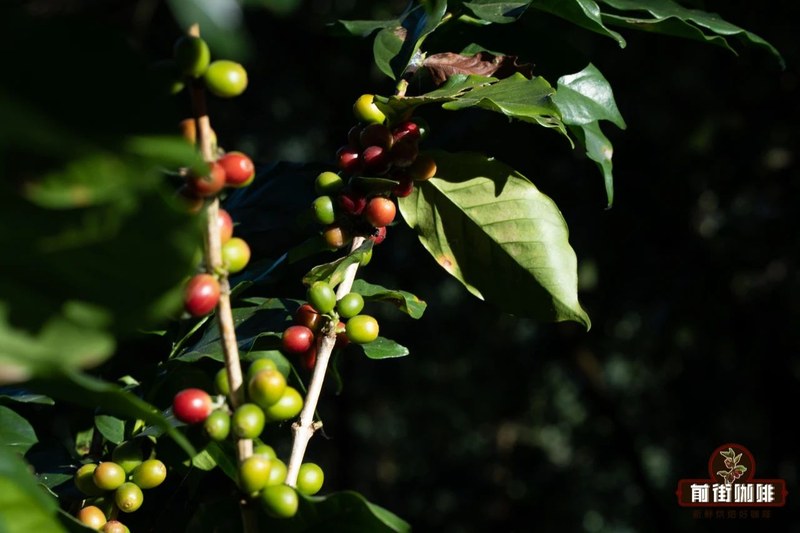
The two-stage brewing combined with a faster extraction rhythm allows the juicy flavors of Qianjie Colombia Sidra to present themselves in a concentrated way. The penetration of the larger water stream drives a moderate agitation of the coffee bed, allowing the bright fruit acidity of passion fruit and blueberry to fully dissolve in a short time, while avoiding the heavy off-flavors that may arise in the final stage, making the whole cup as refreshing and sweet as freshly squeezed juice.
For coffee beans known for their tea-like sweetness and citrus fragrance, the brewing strategy needs to emphasize gentleness and clarity. These beans pursue a pure throatfeel and a warm, smooth mouthfeel. The water temperature should not be too high, and the pouring process should avoid vigorous agitation of the coffee bed, letting the water flow gently through the dripper to bring out a delicate tea-like fragrance.
When brewing Qianjie Kaffa Forest, this gentle approach can be applied. This bean possesses the soft acidity of ripe citrus, the sweetness of juicy yellow peach, and a subtle oolong tea finish. When brewing, a water temperature of 89°C is recommended, using 15g of grounds, with a total pour of 240ml of water, and a total time set at 2 minutes 5 seconds. Using a two-stage pour with a gentle, small stream allows the warm tea-like quality and fruity sweetness to reach a comfortable and harmonious balance.
When you are selecting pour-over coffee beans, it helps to first picture the corresponding brewing scenario in your mind. Bright floral and fruity notes suit detailed staging and precise temperature control, intense fruit fermentation suits a crisp two-stage fast brew, while elegant tea-like notes prefer a gentle, small stream. Mastering these parameter logics means every time you open a bag and brew, you can easily recreate the moving flavors the beans were meant to have.
Related Reading




Comments (0)
Loading comments...
You May Be Interested



Trending Reviews
Popular Videos

With you, wherever you are! We provide useful features to help you find new things you'll love






