Source:Best Coffee > News Author:qjroot Published:2024-11-06 18:36:18
According to media reports, a recent report has shown that although the Houthi armed group has consistently claimed that its targets are limited to vessels related to Israel and its allies, the actual situation is not so; its attack targets span ships of many countries, and the Houthi armed group ensures the passage of vessels by collecting a "security fee", while vessels that do not pay face extremely high security risks. It is estimated that through this illegal collection of fees, the Houthi armed group can obtain about 180 million US dollars per month.
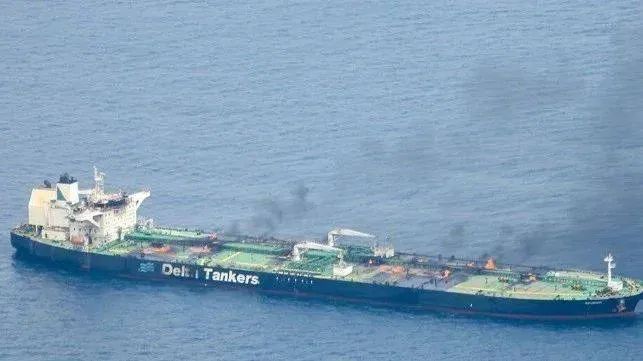
However, the Houthis responded, with a Houthi spokesman issuing a statement saying that, according to relevant intelligence, many Israel-related maritime shipping companies are evading the "punitive measures" the Houthis take against these companies and vessels by selling assets, transferring ships and changing registration.
Therefore, the Houthis will not consider these changes of ownership or flag, do not recognize the changes in ownership, and oppose any cooperation with these companies. The Houthis will continue to impose a maritime blockade on the Red Sea region, striking all vessels that belong to Israel, are related to Israel, or are heading to Israel, until Israel stops besieging the Gaza Strip in Palestine and its acts of aggression in Lebanon.

At present, according to statistics, it has been one year since the Houthi armed group began in November last year, and during this one year, they have launched more than 130 missile and drone attacks, with a cumulative total of over 100 ships attacked. An attack campaign of this scale can be called the most intensive armed attack on civilian vessels since World War II.
This news has plunged countries near the Red Sea as well as global shipping companies into anxiety, because compared with the average transport volume in 2023, the total tonnage transported through the Suez Canal has already decreased by 60-70%. Transit volumes for container ships, car carriers, cruise ships and LNG carriers have all fallen by 90% or more. The disruption of the Red Sea route has caused shipping companies to raise freight rates by 30% to 40%.
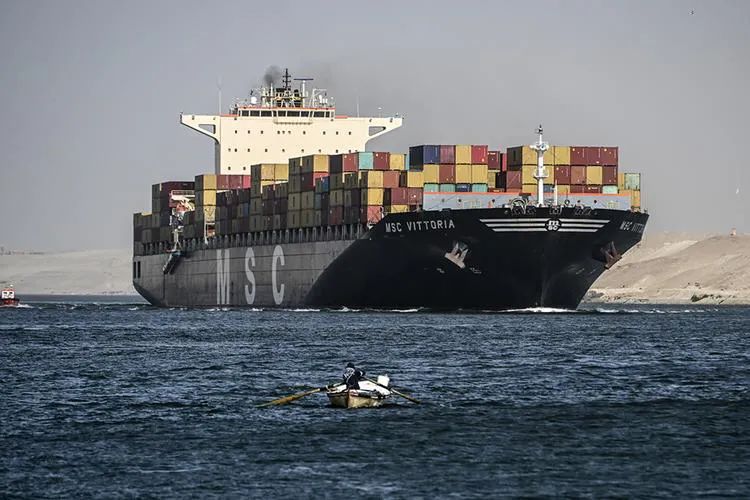
And Maersk, the international shipping giant regarded as a "barometer of global trade," also raised its full-year profit guidance 4 times in less than 6 months, all because the supply chain disruptions caused by the Red Sea attacks led to strong demand and rising freight rates.
Because the Red Sea crisis has disrupted global shipping, it has had considerable impact on several coffee-producing countries, especially in Africa and Asia. According to some coffee exporters, freight rates from Asia to Europe have currently risen nearly 7 times, causing some buyers to reduce their coffee purchases in Asia, which has had a serious impact on major coffee-exporting countries such as Vietnam and Indonesia.
In Vietnam, in the Asian region, severe drought earlier on left coffee short of water, leading to lower output while pushing up local coffee prices; combined with rising shipping costs between Europe and Asia, this deterred coffee buyers, leaving Vietnamese coffee with a price but no market, and trade volumes sluggish. Earlier, the Vietnam Coffee and Cocoa Association (VICOFA) reported that Vietnam's coffee exports in the 2023/24 year fell by 12.1%.
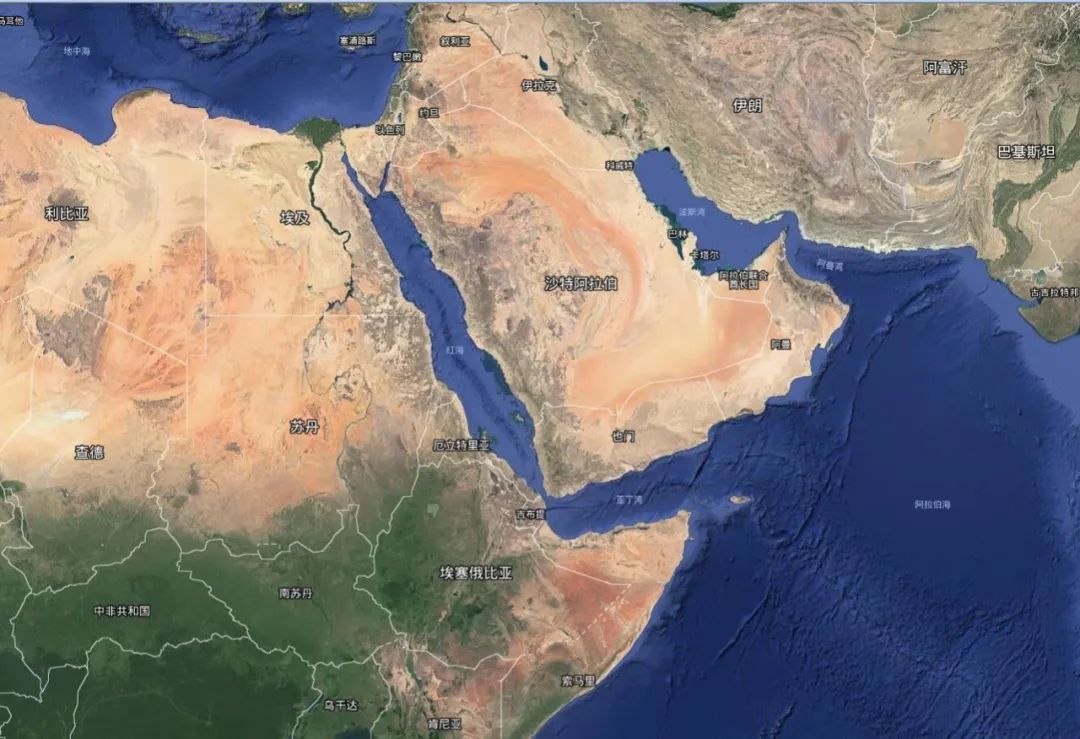
In Africa, import and export business with Ethiopia has been considerably affected, because Ethiopia has no sea outlet and relies mainly on the port of neighbouring Djibouti, and the port of Djibouti lies within the Red Sea. According to the report, under the impact of the Red Sea crisis, throughput at the port of Djibouti fell by at least 10%. This affects the national economic development of Djibouti and Ethiopia, while driving up inflation and rising prices in those countries, affecting the development of industries in Ethiopia including coffee.

According to the latest data, ICEE arabica coffee futures rose 2.05%, and coffee "C" futures rose 2.14%. Robusta coffee futures rose 1.44%. At present, the Palestinian-Israeli conflict is unlikely to be effectively resolved in a short time, and with multiple countries reporting declines in coffee production, coffee prices may rise again in the future.
To learn more coffee origin news and information, please scan the QR code to follow: Kaping
Long-press the QR code to follow:

Related Reading








Comments (0)
Loading comments...
You May Be Interested






Trending Reviews
Popular Videos

With you, wherever you are! We provide useful features to help you find new things you'll love






