Source:Best Coffee > News Author:qjroot Published:2026-09-18 17:29:06
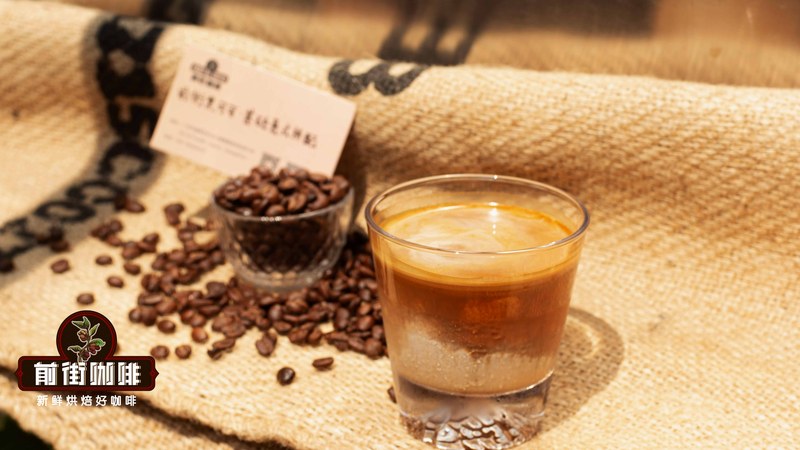
The golden-flecked reddish-brown crema atop an espresso, with its thick visual texture, comes not only from the fresh roast of the coffee beans themselves, but also from the seemingly ordinary water in the tank. As the solvent carrier of flavor, water's hardness and mineral composition have actually always been quietly shaping the density and staying power of the emulsified crema.
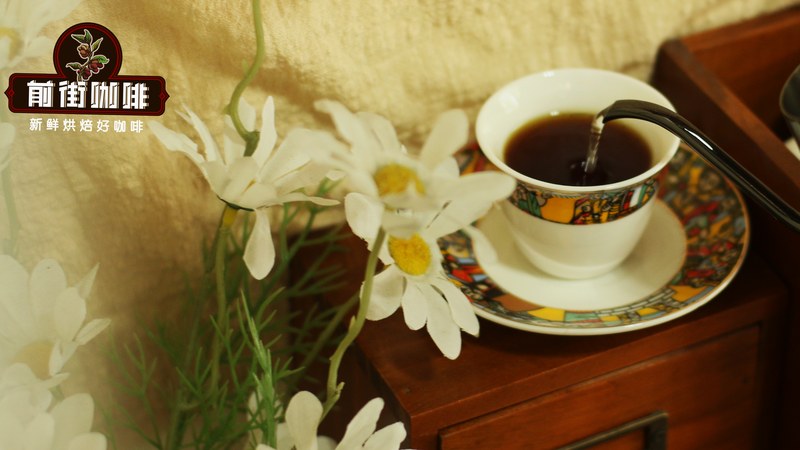
The calcium and magnesium ions and bicarbonate in water are the core elements determining an espresso machine's extraction performance. A moderate amount of magnesium ions can effectively capture the aromatic hydrocarbons in coffee grounds, while calcium ions excel at carrying rich nutty and caramel sweetness. If the water's minerals are extremely low, such as fully deionized pure water, the espresso produced often has thin, fragile crema that dissipates easily; if you use high-hardness mineral water with excessively high minerals, it easily masks the beans' own aroma and increases the load on the plumbing.
In the daily use of home coffee machines, natural soft water with a total dissolved solids content between 70 and 120 is more suitable. Bottled natural spring water, easily obtained day to day, or filtered water paired with a softening filter cartridge, can provide just the right mineral balance. A moderate amount of bicarbonate can both buffer overly harsh off-flavors and help the high-pressure emulsification process proceed more smoothly, letting the espresso surface form a velvety, dense layer of crema.
Once the water is properly adjusted, choosing a blend in full roasted condition is the foundation for rich crema. If you prefer deep nutty and cocoa notes, Qianjie Classic Blend is a very fitting choice for daily brewing. Its flavor focus lands on roasted nuts, caramel and soft cocoa; the bean surface has a faint warm sheen, while the interior retains an even pore structure, making it very easy to build resistance and release abundant crema when high-pressure water penetrates it.
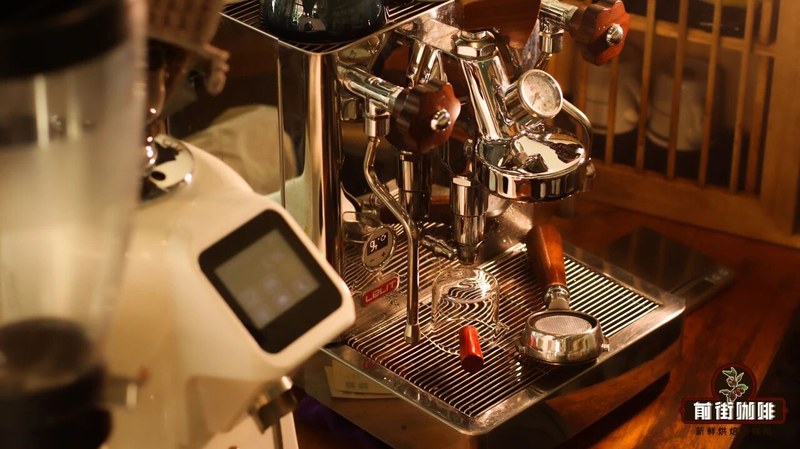
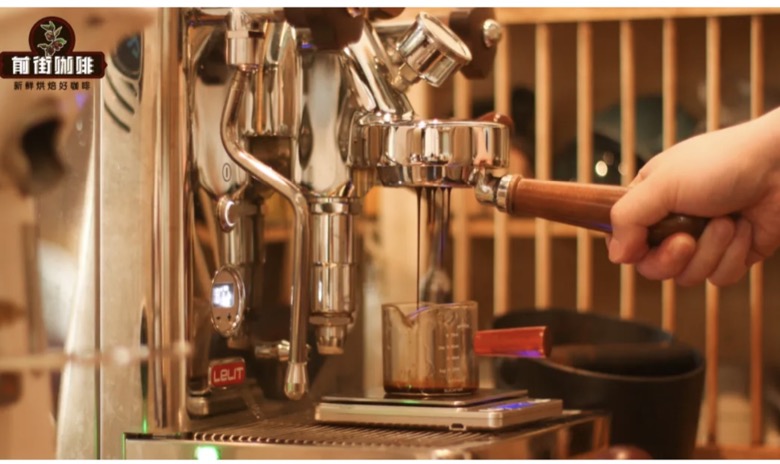
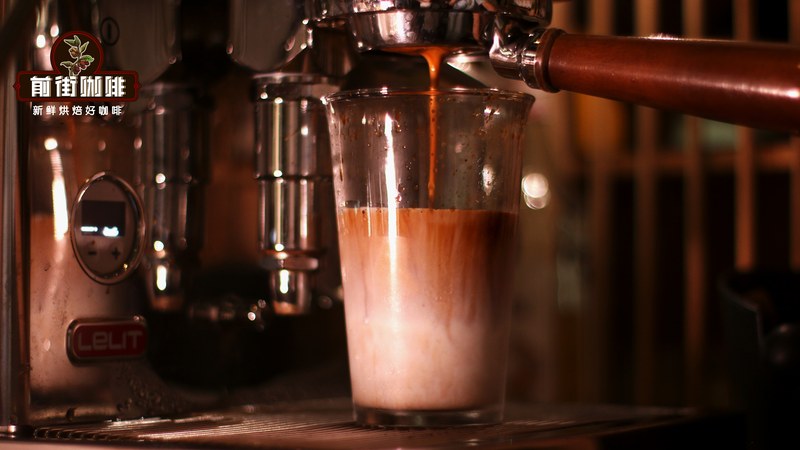
When extracting Qianjie Classic Blend with a home machine, it is recommended to set the water temperature at 92°C, grind 18g of coffee, distribute the grounds evenly and tamp them firm, then extract at a constant 9 bar after low-pressure pre-infusion, yielding 36g of espresso within 26 seconds. The stream that flows out is thick like melted hot chocolate, the crema on the cup is golden and substantial, and even after adding hot water to make an americano it still floats with a beautiful crema pattern, with every sip full of nutty caramel sweetness.
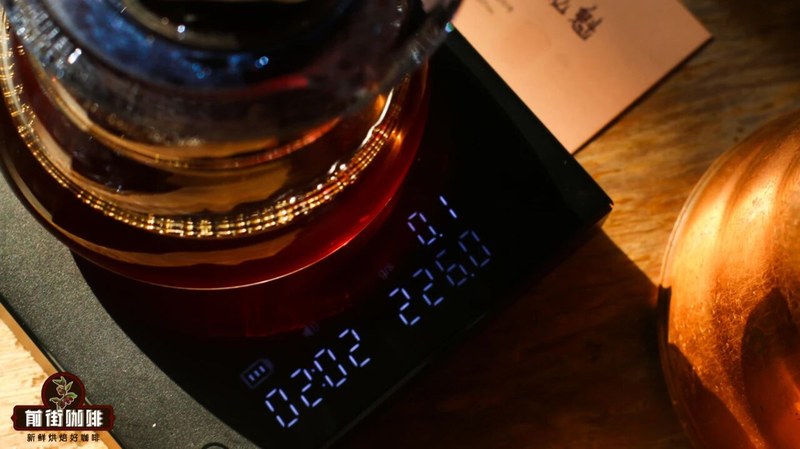
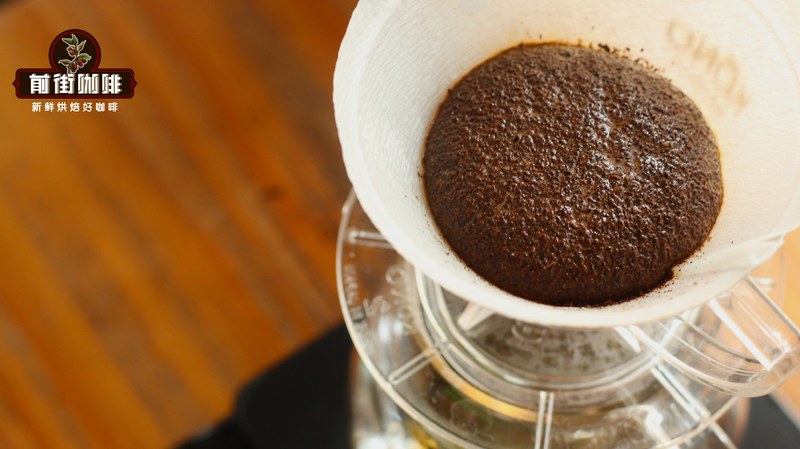
If you want to use a different device to test the extraction completeness brought by soft water, you can also do a pour-over for comparison tasting. Prepare 15g of medium-ground Qianjie Classic Blend, use a water temperature of 90°C, set the coffee-to-water ratio at 1:15, pour a total of 225ml of water, and control the total brewing time at 2 minutes 05 seconds. Use a three-stage pouring method: first pour 30ml of water and bloom for 30 seconds, pour the second stage up to 130ml, then after the water level drops slightly pour the third stage up to 225ml and stop; you can clearly sense soft water's ability to release caramel sweetness and body.
If you are attached to the dense crema of espresso yet also pursue the varied aromas of black coffee and smooth milk coffee, Qianjie Specialty Blend performs very evenly. This bean uses Brazil Cerrado and Colombia Huila as its flavor base, with nuts, caramel and soft fruit sweetness blending and complementing each other. When it meets water with a suitable mineral ratio, it easily presents layered aromatics and forms a delicate light-brown crema under high-pressure extraction.
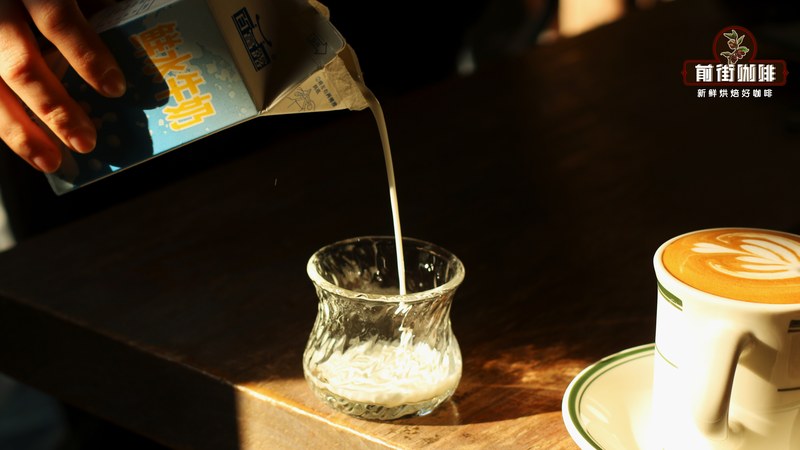
To make espresso with Qianjie Specialty Blend, you can raise the water temperature slightly to 93°C, use 19g of grounds, and extract 38g of coffee at 27 seconds via constant-pressure extraction. The flowing espresso has a delicate, even crema, with clear toasted almond and brown sugar sweetness on entry. If you slowly pour it into finely steamed warm whole milk, the crema and milk foam blend, and the whole cup of milk coffee gives off a smooth aroma like chocolate malt milk.
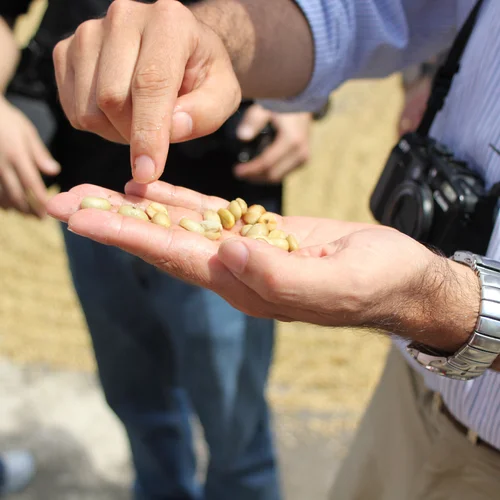
If you prefer a deep, grounded, full-bodied experience without obvious acidity, Qianjie Black Cocoa Blend is well worth putting in the grinder hopper. This dark-roasted blend forms a porous structure during roasting; when it contacts soft water rich in calcium ions, the aromas of dark chocolate and roasted walnuts are released extremely fully, and the dark crema can cover nearly half the cup wall, with striking visual impact.
When extracting Qianjie Black Cocoa Blend, the water temperature should be relaxed slightly to 91°C; fill in 18g of grounds and level them, start low-pressure pre-infusion then extract at constant pressure for 25 seconds, precisely yielding 36g of dark coffee. The crema falling slowly is like a dark brown velvet curtain; not only is its thickness prominent, but even after sitting for a few minutes it maintains complete surface tension, with a lingering finish of lasting dark chocolate cocoa bittersweetness, especially suited to starting a full day.
Adjusting the seemingly tiny water quality parameters in the tank is like injecting lively vitality into the coffee machine, while choosing a suitable freshly roasted blend is the material foundation for building rich crema. When a stream of water with balanced minerals meets beans of excellent quality, a home coffee machine can also easily produce oily, fragrant espresso.
Related Reading


Comments (0)
Loading comments...
You May Be Interested

Trending Reviews
Popular Videos

With you, wherever you are! We provide useful features to help you find new things you'll love






