Source:Best Coffee > News Author:qjroot Published:2026-09-19 12:31:58
The mild, easy-drinking taste in a coffee cup often comes from two entirely different flavor logics: single origin and blend. If you want to avoid sharp fruit acidity and dull, bitter roastiness, the key is to clarify whether the beans in your hands are a precise combination of raw materials from several origins, or the solo expression of the terroir of one independent estate. The two routes each have their own emphasis in their original design intent; as long as you understand the flavor direction behind them, choosing the bag of beans that suits you will be especially effortless.
The core demand of blended coffee lies in harmony and complementarity. When formulating a bean list, roasters usually use a medium-roast Central or South American nutty-toned bean as the base, for example Brazilian or Colombian beans making up 60% to 70%, responsible for providing smooth body and caramel sweetness; the remaining 20% to 30% then adds a small amount of East African washed beans to brighten the aroma. When reading the blend ratio on the packaging, as long as the base bean proportion is relatively high, the overall outline brewed from the whole bag will lean mild and rounded.
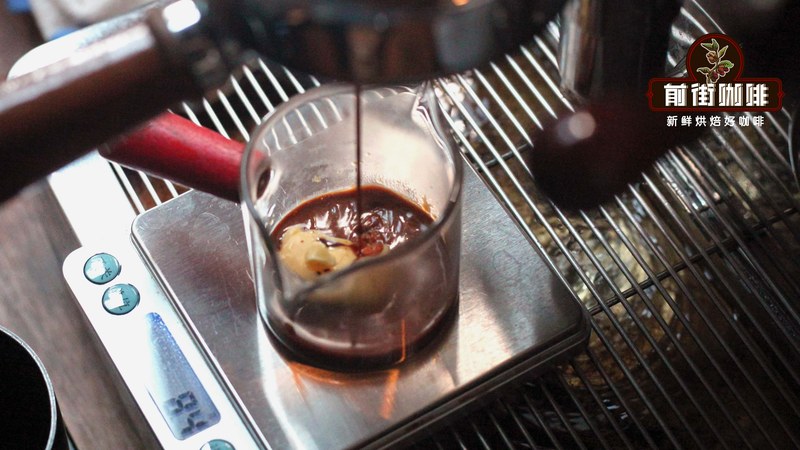
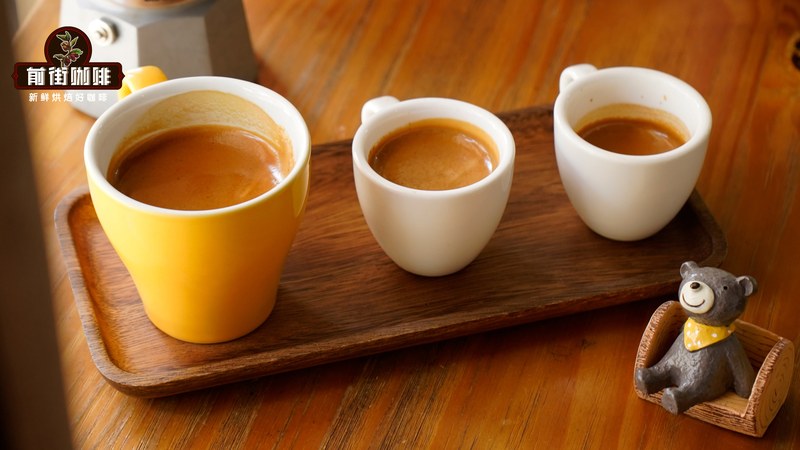
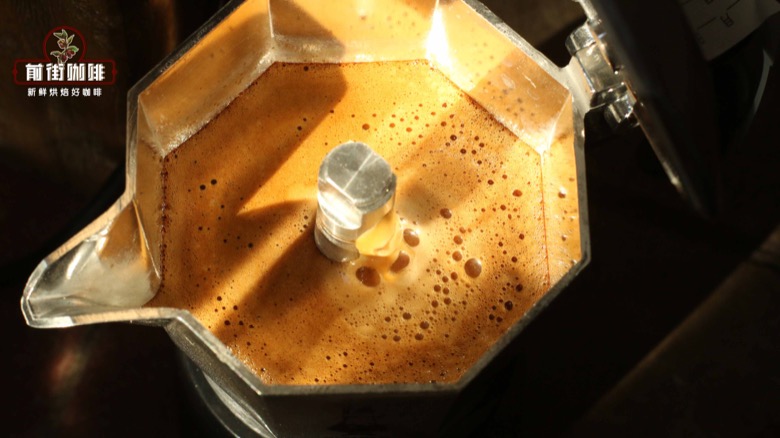
This traditional blend that emphasizes balance performs especially pleasingly on everyday espresso machines; whether extracted directly as a ristretto or diluted with water, it has a warm, accommodating quality. When extracting on a home semi-automatic espresso machine, grind 18.5 g of coffee powder, start the pump for constant-pressure extraction for 26 seconds, and steadily yield 37 g of espresso, with fine reddish-brown crema floating on the surface. Add hot water to make black coffee, and the nutty aroma is full, with harmonious caramel sweetness on the palate from the first sip.
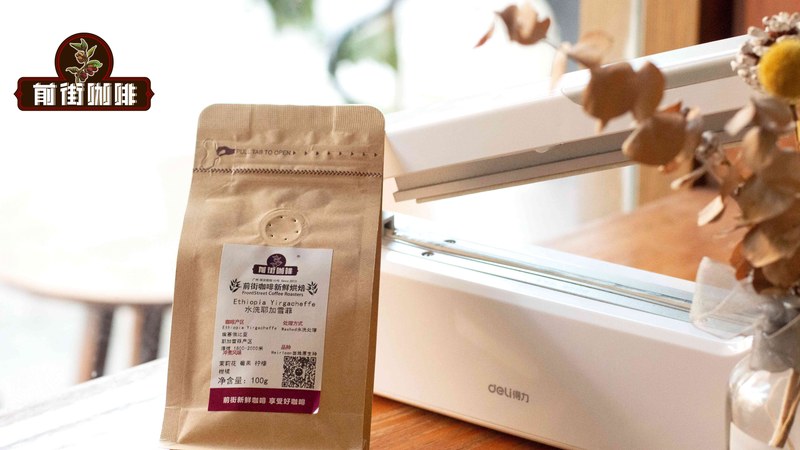
The single origin route pursues the vivid personality brought by a specific geographical environment. Many people worry that single origin beans are sour; in fact, as long as you avoid extremely light roasts and choose producing regions with abundant sweetness and soft acidity, you can still drink a cup with rich layers and an extremely mild flavor. The charm of single origin beans is not in covering every aspect, but in using a clean, clear juice-like texture to break the monotony of bitterness. As long as the overall sweetness is abundant enough, the acidic aroma will transform into a pleasant mouth-watering sensation.

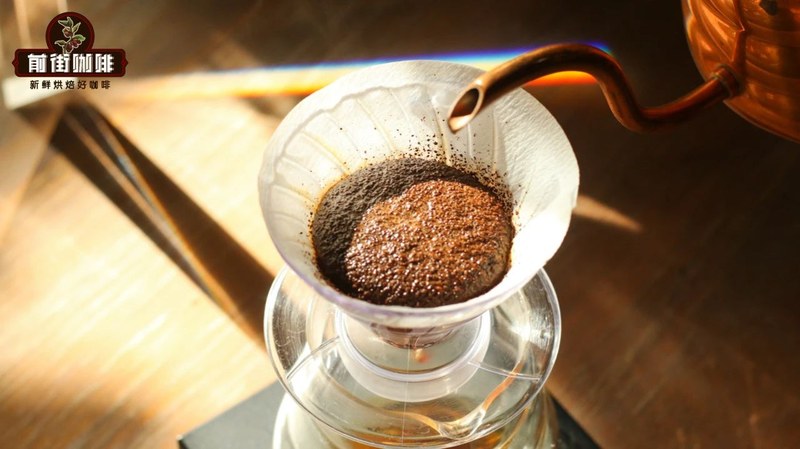
The Kaffa Forest from Ethiopia is a representative of the mild and pleasant side of single origin coffees. This bean has no aggressive sharp acidity, carrying clear sweet orange juice, ripe apricot aroma and an oolong tea finish. For pour-over, weigh 15 g of medium-fine ground powder, pour in 90°C hot water, first pour 30 ml of water to bloom for 30 seconds, then pour in two stages at a slow speed, smoothly circling to 130 ml and pausing briefly, then pour the final stage to 225 ml, with the total time controlled at 2 minutes 05 seconds, giving a bright, sweet finish on the palate.
If you want to add fruit aroma on a mild base, Ethiopia Huakui can bring just the right brightness. This natural process bean is full of sweet aromas of ripe fruit, strawberry and passion fruit, with the acidity wrapped in honeyed sweetness. For pour-over extraction, use 15 g of powder with 89°C water, set the coffee-to-water ratio at 1:15, pour 35 ml of water to bloom for 30 seconds, then gently pour in three stages, pouring to 100 ml, 160 ml and 225 ml respectively, with the total time finishing drip filtration at 2 minutes 10 seconds, and the juice-like quality spreading lightly in the mouth.
Besides traditional blends and pour-over single origins, SOE, or single origin espresso, opens up a third experience between the two. SOE usually uses light-to-medium roast single origin beans for espresso extraction; unlike traditional blends that pursue rich nutty caramel, it concentrates the producing region's floral and fruity aromas of single origin beans into a high-pressure liquid. When making a refreshing fruity americano, SOE has a clarity that is hard to replace, letting people quickly taste pure, bright fruit flavors.
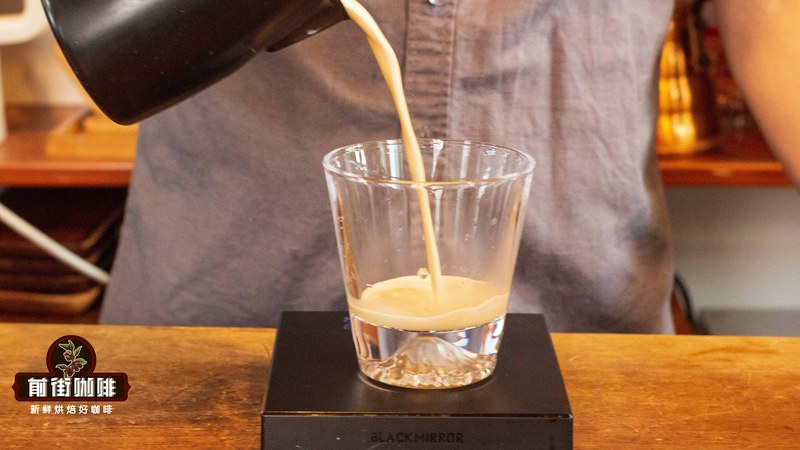
When facing the demand for milk coffee, SOE and traditional blends show completely different taste orientations. After traditional blends merge with hot milk, lactose and nutty cocoa notes set each other off, and the whole latte drinks like a melted chocolate waffle, steady and full; while SOE made into milk coffee brings a fresh flavor similar to strawberry milk or citrus cheesecake. If you are usually more accustomed to a mellow, rich classic taste, traditional blends remain the safe choice that makes both black and white coffee hard to get wrong.
Understanding the blend ratio on the bean bag is a shortcut to understanding everyday coffee life. If you buy beans to hurriedly press one button on a weekday morning, need a stable rich aroma as a base, or prefer drinking coffee with milk, then blend beans led by Central and South American producing regions such as Brazil and Colombia will be especially worry-free; if you want to slowly brew a pot in a leisurely afternoon and feel the subtle evolution of different terroirs through temperature changes, then single origin beans with outstanding sweetness naturally know better how to reward the taste buds.
The wonderful thing about the coffee world is that no single processing method can command all preferences. There is no need to struggle between the steadiness of blends and the flamboyance of single origins; as long as you understand their respective formulation logic and cup characteristics, and choose according to the equipment at hand and the craving on your tongue at the moment, you can steadily hold your own wisp of rich aroma in a comfortable zone that is neither sour nor bitter.
Related Reading



Comments (0)
Loading comments...
You May Be Interested


Trending Reviews
Popular Videos

With you, wherever you are! We provide useful features to help you find new things you'll love






