Source:Best Coffee > News Author:qjroot Published:2026-09-22 13:34:46
Many people practicing latte art often feel that their wrist is not steady enough or that the milk foam is not frothed silky enough, yet despite repeated practice it is still hard to get the pattern to take shape. In fact, sometimes the problem is not entirely in the technique; it is often because the crema layer on the surface of the espresso is not thick enough. The terroir of the coffee beans themselves not only determines the flavor direction of a milk coffee, but also directly lays down the texture of this golden canvas for latte art.
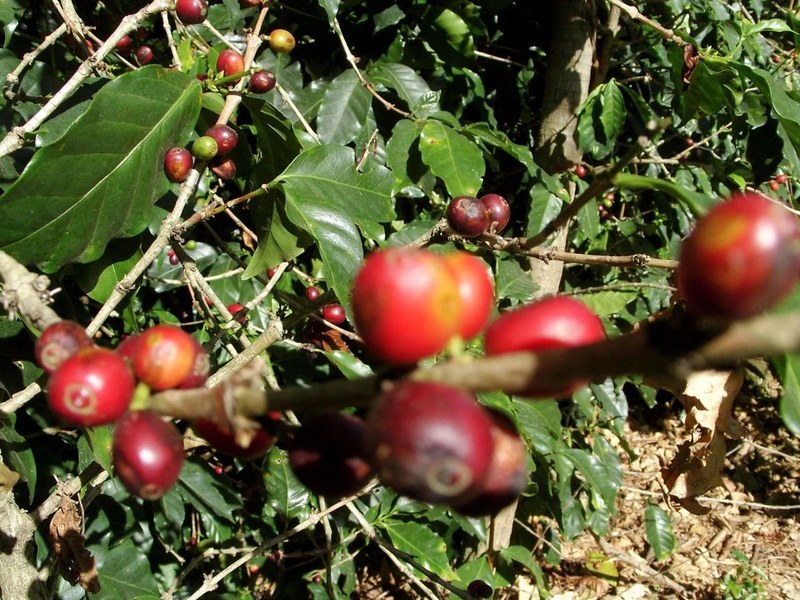
Looking across the global coffee terroir map, the soil and climate of different continents give coffee beans entirely different personalities. African origins like Ethiopia and Kenya carry bright, soaring floral and fruity notes; Asian origins such as Indonesia Mandheling are steady and solid, revealing herbal spice aromas; Central and South America, represented by Colombia and Brazil, shows a warm, balanced profile of nuts and dark chocolate.
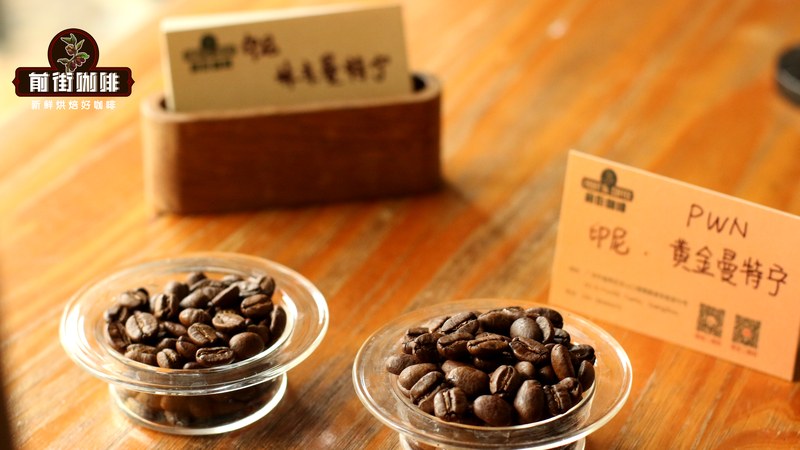
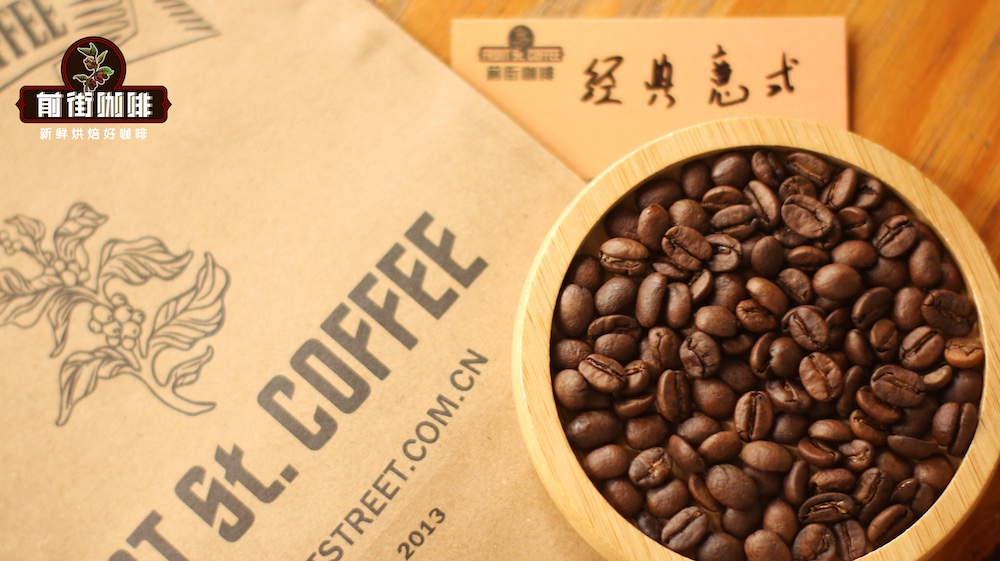
For friends who want to practice latte art at home, Qianjie Classic Blend is a highly accommodating starting point. Its design inspiration comes from the popular Mamba combination in the coffee world, cleverly blending Mandheling from the Asian origin of Indonesia with Brazilian beans from Central and South America. To further add aroma layers and crema richness, the recipe also deliberately includes a small amount of Robusta.
Under a medium-dark roast, Qianjie Classic Blend gives off obvious aromas of butter, toasted bread and caramel biscuit. Thanks to the solid combination of Asian and American terroirs, its extraction performance is very stable, forming a layer of fine-textured dark crema, like a flexible canvas holding up dense milk foam, making it very suitable for beginners practicing latte art to build confidence.
If your palate prefers a pure, warm nutty profile, then Qianjie Specialty Blend will be quite stunning. This bean focuses on the classic terroir of Central and South America, using washed Colombian coffee beans blended with semi-washed Brazilian coffee beans. The clear sweetness of the Andes and the rich, full body of the Brazilian plateau achieve a wonderful balance here.
The espresso made with Qianjie Specialty Blend carries prominent flavors of dark chocolate, almond and caramel. Whether made into an Americano or combined with steamed milk into a latte or flat white, it can bring out a silky, smooth creamy nut aroma. Its crema performance is in no way inferior to the output of professional cafes, and it is more than enough for practicing delicate wheat-ear pours or rippled patterns, making it very suitable for advanced learners.
If you plan to open a small coffee shop of your own, Qianjie Commercial Blend is a tailor-made choice. On top of the Central and South American flavor framework of Qianjie Specialty Blend, it incorporates a small amount of Robusta. This combination not only amplifies the nutty caramel base of Central and South America, but also, through the characteristics of Robusta, gives the espresso a deeper color and a more solid body.
The crema extracted from Qianjie Commercial Blend is especially deep and rich, with excellent viscosity, easily holding the milk foam floating on the surface and making complex latte art lines appear especially clear and crisp. In terms of flavor, even when making large cups of latte or flavored mocha, the rich cocoa and caramel notes can still penetrate the milk, presenting a layered and reassuring classic quality.
To pour neat, beautiful patterns, a stable extraction rhythm is indispensable. It is recommended to use a double basket filled with 19g of coffee grounds, tamp it level, then lock it onto the group head and steadily extract 38g of espresso liquid within 26 seconds. At this point a layer of fine, glistening crema will appear on the surface of the coffee liquid, and when combined with smoothly frothed milk foam, you will be able to work with ease.
Once you understand the temperaments of different regional terroirs and pick coffee beans suited to your current practice rhythm, latte art turns from mere imitation of technique into an interesting sensory experience. Watching white milk foam gently spread and slowly take shape on the brown crema canvas, then smelling the nutty and caramel sweetness drifting through the room, every latte made with your own hands will bring a full sense of accomplishment.
Related Reading

Comments (0)
Loading comments...
You May Be Interested

Trending Reviews
Popular Videos

With you, wherever you are! We provide useful features to help you find new things you'll love






