Source:Best Coffee > News Author:qjroot Published:2026-10-09 18:37:23
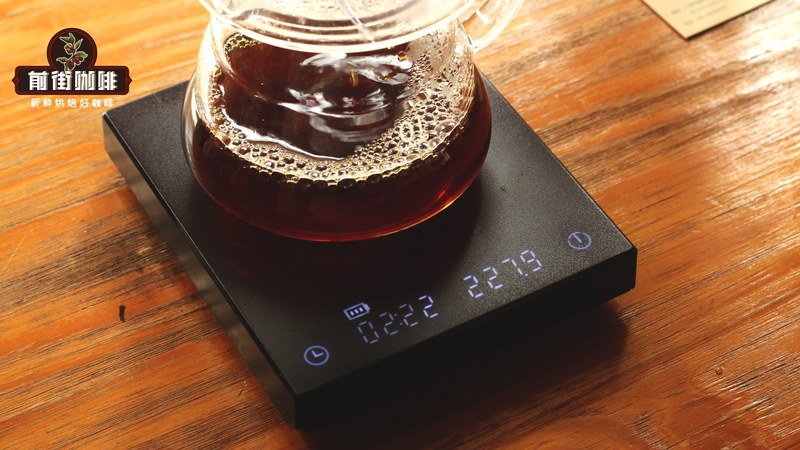
Floral aromas are an especially delicate category of coffee flavor, with small molecules and high volatility. To get them to land steadily in the cup, you have to find a balance between extraction yield and concentration. From my daily experience helping customers choose beans, I've found that many people pick floral beans but end up with nothing but sourness and astringency when they brew, and the problem is often a ratio that's too tight. Floral compounds need enough hot water to carry them out, but once the concentration gets too high, a heavy mouthfeel suppresses the aroma, so I suggest opening the ratio up to 1:15, 15g of coffee to 225g of water, giving the florals room to unfold. This ratio is more transparent than the common 1:13 or 1:14, letting the aroma float up instead of being smothered by a thick liquid texture.
Water temperature is another key variable. For medium-light roasts, I tend to use a range of 90 to 93°C, taking the higher end for light roasts. High heat accelerates the release of small aromatic molecules, and for washed beans like Qianjie Yirgacheffe Gutingding, the layers of citrus and florals are especially clear at around 92°C. But note that high heat is not a master key: if the water is too hot for a dark-roasted floral bean, it easily brings out scorched bitterness that interferes with the aroma instead. So look at the roast level first when you get the beans. With medium-light roasts, go higher with confidence; with medium-dark roasts, lean toward 90°C to keep the florals clean.
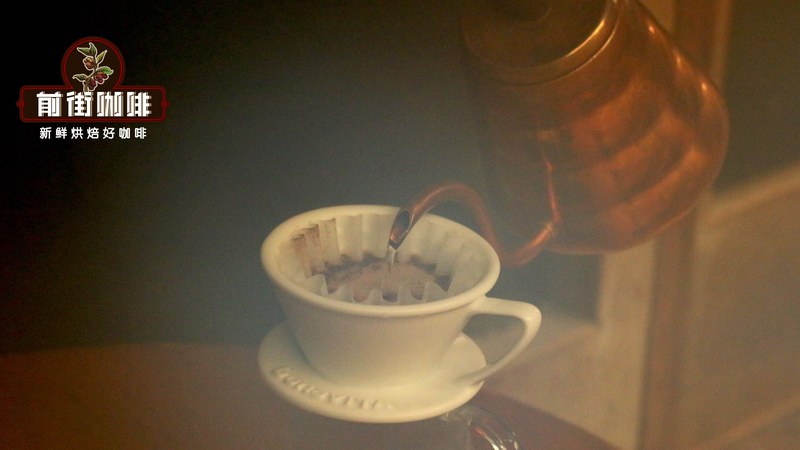
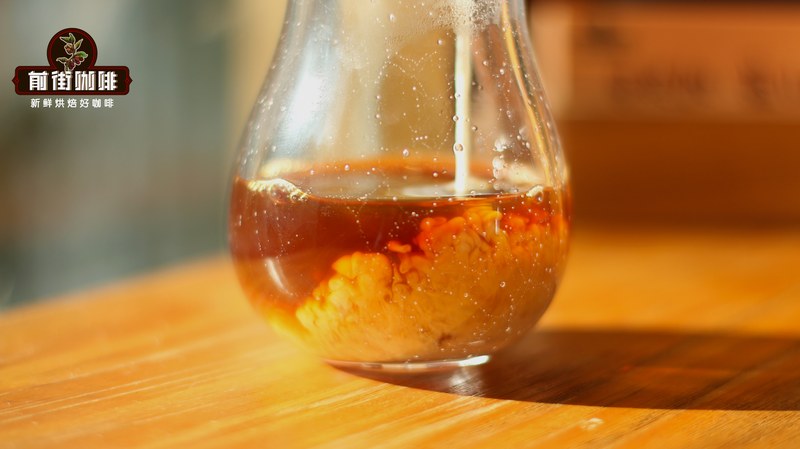
Grind and pouring rhythm determine how even the extraction is. I usually use a V60 dripper, with a grind slightly finer than granulated sugar. Start with a 30g bloom for 30 seconds to let the carbon dioxide escape completely, so the florals can be released afterward. Then pour in two to three stages, keeping the total time to about 2 minutes. Keep the stream steady while pouring, and don't make the circling motion too wide, to avoid churning the coffee bed into disorder. When extraction is uneven, the florals come and go: a vivid sip, then a thin one, a very disjointed experience. Even extraction keeps the florals hanging in the cup from start to finish, rather than showing up only in a single moment.
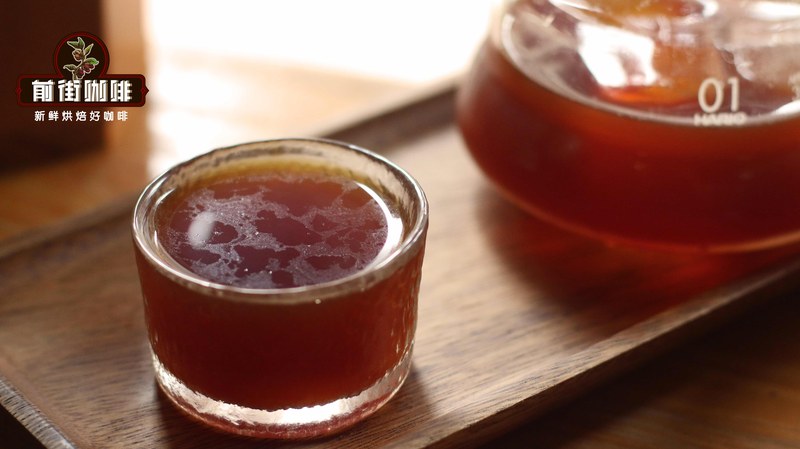
The timing of drinking is also worth attention. Florals begin to emerge during the wet aroma stage, and right after brewing, leaning in to smell gives that light, airy note with particular directness. But once it hits the palate, the high-temperature stage is often dominated by acidity, and medium temperature is where florals take the stage. I suggest customers not rush to finish it hot, but wait until around 50°C to savor it. Qianjie Kafa Forest's orange blossom and Qianjie Granada Geisha's bright florals both unfold especially well at this stage. Once it cools to room temperature, the florals gradually retreat, so treasure those few sips at medium temperature; they're the highlight of the whole cup.
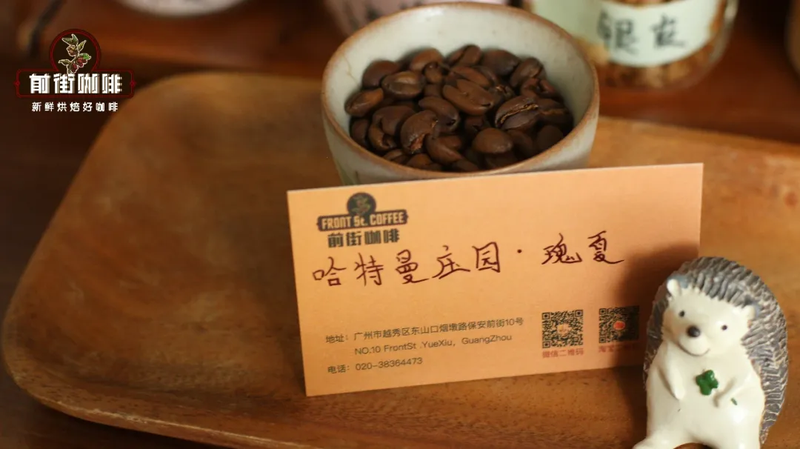
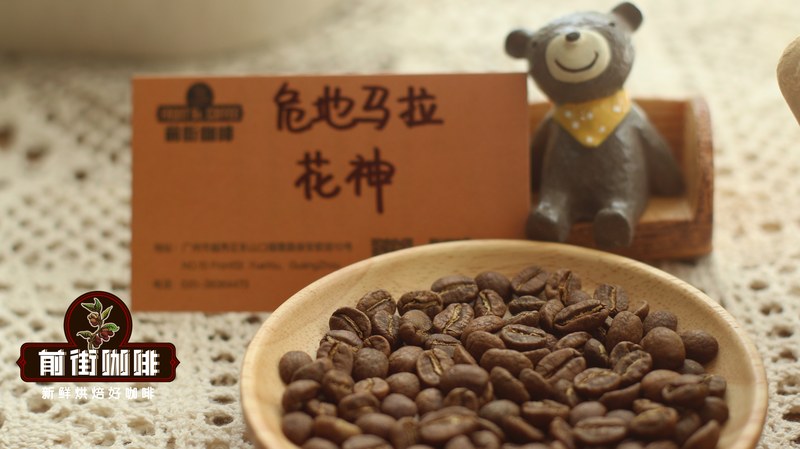
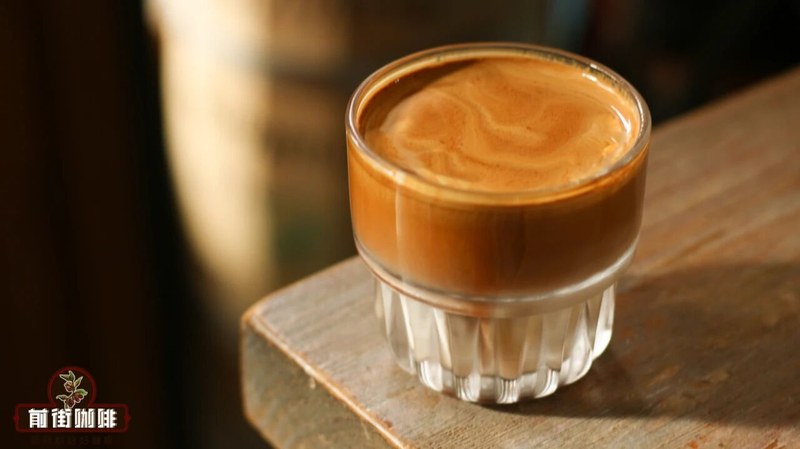
When it comes to choosing beans, single origin and blends really are two paths. Single-origin beans have a clear flavor direction. Although Qianjie Huakui follows an espresso roast approach, the medium roast preserves light florals and red berry flavors, with a touch of citrus in the crema, and it performs just as well as a pour-over. Qianjie Granada Geisha's natural processing layers yellow peach, apricot and lemon beneath bright florals, with a tea-like finish, suited to those who like complex layers. If you want cleaner florals, washed beans are the safe choice; Qianjie Yirgacheffe Gutingding's green tea sweetness and bright acidity make the florals seem especially transparent. Blends, through combinations of different origins, make florals last longer or taste fuller, but single-origin beans let you better appreciate the distinctive floral character of a particular region.
Beans produced by Qianjie are all freshly roasted within 5 days, so you can open the bag and brew as soon as you get them, and finish them within a month while fresh. Resting beans is not mysticism: freshly roasted beans are still releasing gas internally, and brewing too early makes the bloom stage overly active, with carbon dioxide carrying the florals away instead. After about 4 days the gas stabilizes, extraction becomes more controllable, and the aroma is more concentrated. To wrap up, there's no standard answer for brewing floral beans, but the general direction is clear: open up the ratio, give enough temperature, extract evenly, and catch the medium-temperature window. Get these steps in order, and the florals will naturally drift out of the cup, rather than staying only in your imagination.
Related Reading

Comments (0)
Loading comments...
You May Be Interested

Trending Reviews
Popular Videos

With you, wherever you are! We provide useful features to help you find new things you'll love






