Source:Best Coffee > News Author:qjroot Published:2026-10-07 10:29:40
In the coffee map of Central America, Honduras is a producing region particularly worth attention in recent years. This country sits on a narrow strip between the Pacific Ocean and the Caribbean Sea, with mountain ranges crisscrossing its territory, and most coffee trees are planted on steep slopes above 1,000 m in altitude. High altitude means lower temperatures year-round, with an obvious drop at night, so the ripening cycle of coffee cherries is extended, and the sugars in the pulp have more ample time to transfer into the seed. This slow accumulation is directly reflected in the cup as the signature brown sugar and caramel sweetness of Honduran specialty coffee, along with that full-bodied undertone reminiscent of muscovado.
Volcanic soil is another gift of terroir. Honduras's mountains were shaped by ancient volcanic activity, and the soil is rich in minerals and organic matter with good drainage. In such an environment, the roots of coffee trees do not spread excessively but concentrate on absorbing nutrients from the surface layer, producing beans of high density and compact structure. During roasting, these minerals provide abundant reaction substrates for the Maillard reaction, developing the core flavors of nuts and chocolate. This is also why Honduran coffee is especially suited to medium roasting: it can fully display the sweetness brought by caramelization without making the acidity too sharp, ultimately presenting a balanced and warm mouthfeel.
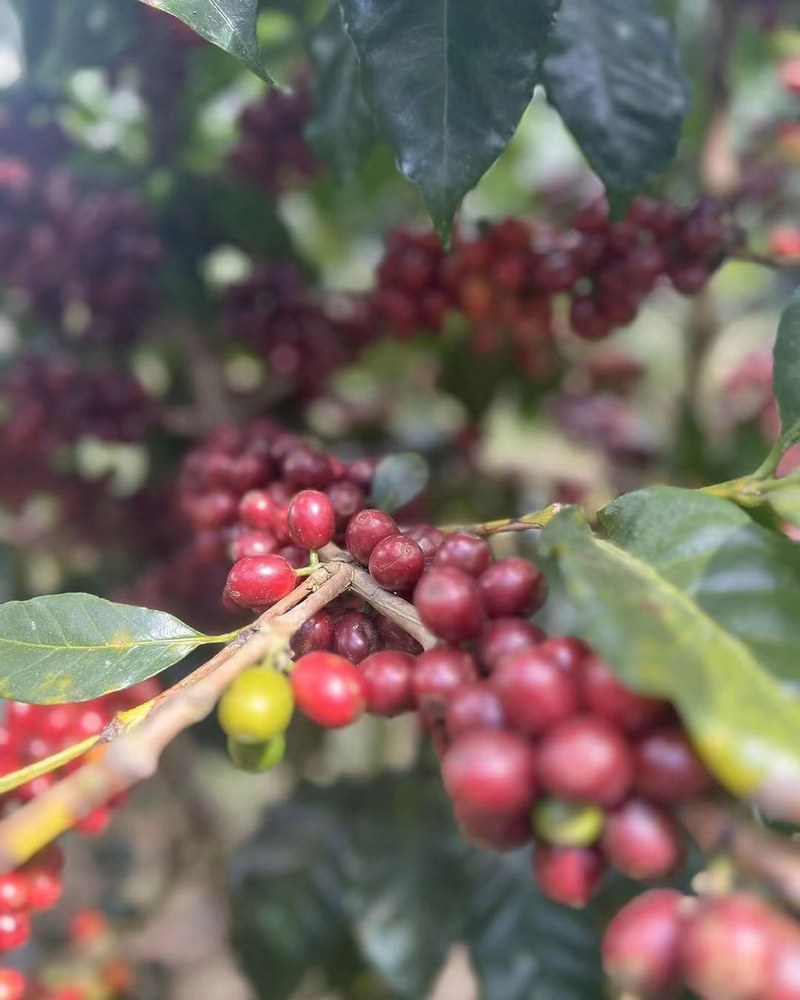
The interplay of cloud and mist with rainfall regulates the finesse of the flavors. The cloud and mist that shroud the mountains year-round act like a natural shade net, weakening the intensity of direct midday sunlight and preventing the leaves from transpiring too quickly; while the distinct rainy and dry seasons give coffee trees just the right amount of water at each stage of flowering, fruiting and ripening. In this environment, common local varieties such as Caturra show stable quality, retaining the bright acidity characteristic of Central American coffee while adding a lively touch of tropical fruit and berries, with a clean finish and lasting sweetness.
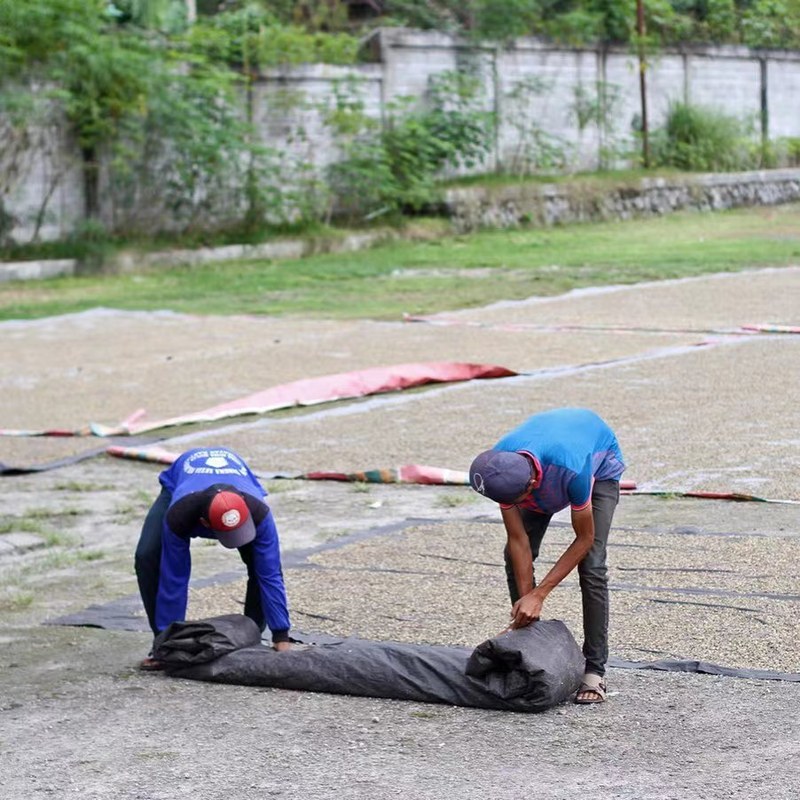
The choice of processing method further amplifies the possibilities of the terroir. Honduras is dominated by washed processing; beans that are pulped, fermented and then dried have clearer acidity, with distinct layers of brown sugar and berry flavors, and it is easy to detect a subtle apricot-like acidity in cupping. Natural processing allows the sugars of the pulp to seep into the core of the bean during drying, enhancing the intensity of tropical fruit and making the body more prominent. Honey processing lies between the two, retaining part of the mucilage for drying, so both sweetness and body are fuller than in washed coffee. Wet-hulling is rarely seen locally, and if encountered occasionally, it often presents an alternative expression of herbs and spices, adding a touch of the unexpected to the region's flavors.
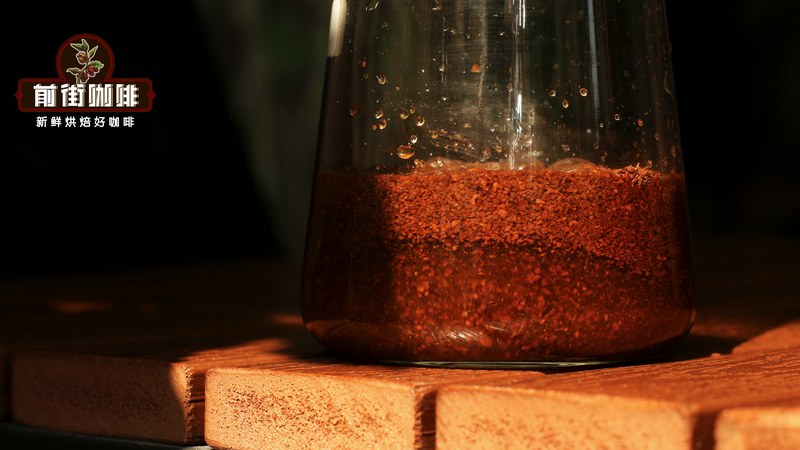
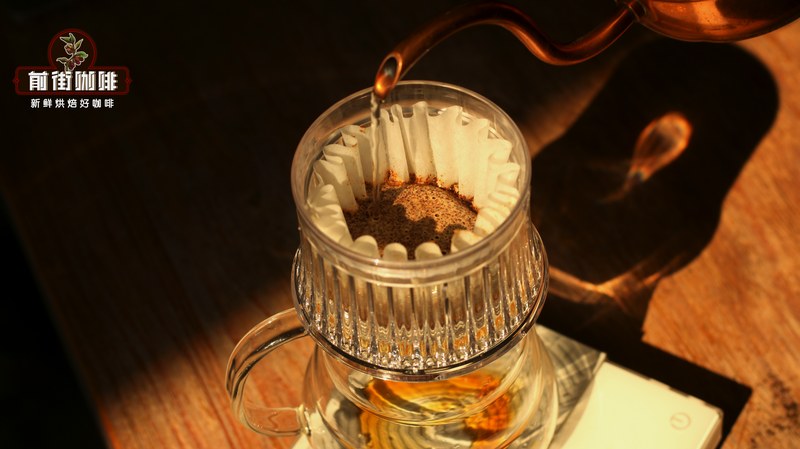
To understand this logic of terroir in the cup, pour-over is the direct way in. Take 15 g of ground coffee, control the water temperature at 92 to 93°C, pour water at a ratio of 1:15, first bloom with a small amount of hot water for 30 seconds to let the coffee bed fully degas, then pour steadily in circles up to the target water amount, keeping the whole process within two minutes. The Qianjie Honduras washed Caturra extracted this way clearly presents a balanced structure of nuts, brown sugar, chocolate and berries, a representative work for understanding the terroir of this region. If using espresso or a moka pot, grind finer and shorten the extraction time, or heat over medium-low heat until the flow ends, and the nutty and chocolate base of Honduras will appear in a more intense form.
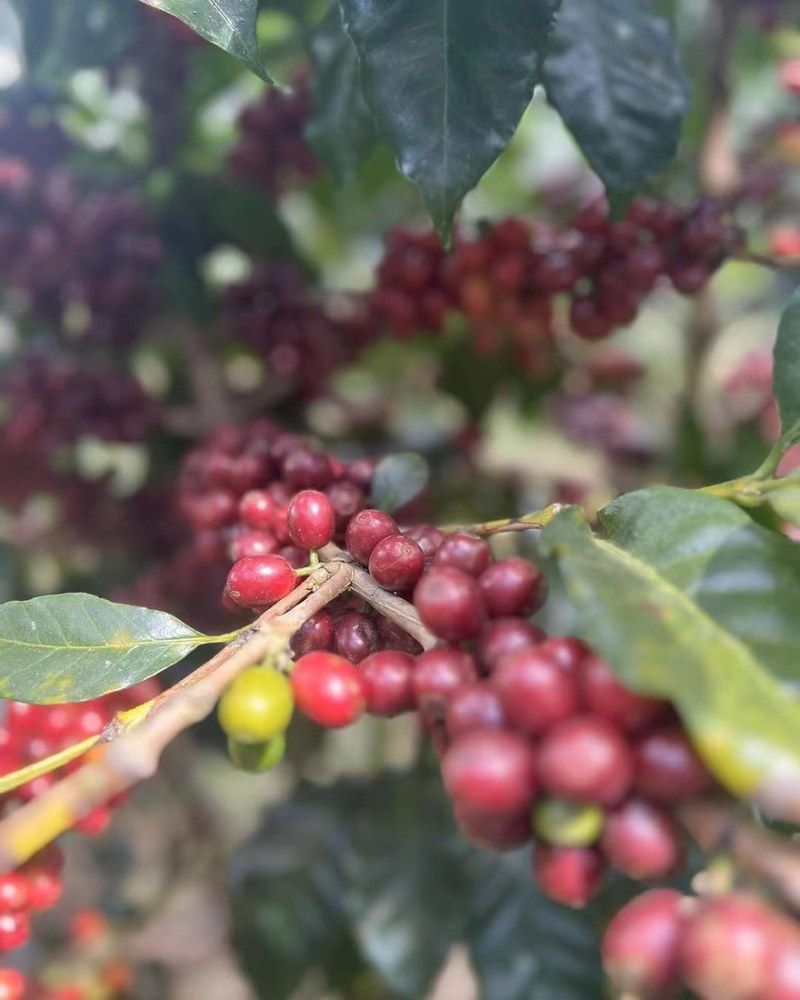
The Qianjie Autumn Chestnut Blend offers another path to understanding. This blend selects Honduran Caturra and Papua New Guinea Typica, composed of 100% Arabica, and the characteristics of the two bean types reinforce each other: Honduras contributes a warm nutty and chocolate base, while Papua New Guinea Typica brings a delicate body. The blended structure is especially balanced, and it also makes the terroir characteristics of Honduras more clearly recognizable within the fusion.
From altitude, soil and climate to processing method, the flavor of Honduras is not obtained by chance, but is the superimposed result of a series of natural conditions and human choices. The next time you taste that interweaving of brown sugar sweetness and berry acidity, perhaps you will think of the cloud and mist and volcanoes among the mountains of Central America, and those coffee cherries slowly ripening on the slopes.
Related Reading


Comments (0)
Loading comments...
You May Be Interested


Trending Reviews
Popular Videos

With you, wherever you are! We provide useful features to help you find new things you'll love






