Source:Best Coffee > News Author:qjroot Published:2026-09-03 18:55:08
The flavor of dark roast coffee beans tends to center on cocoa, nuts, caramel, roast notes and body, but the same bag of beans brewed with different parameters can still perform very differently in the cup. If you want a round, sweet cup, the key is not to set every parameter to some fixed number, but to let water temperature, grind, coffee-to-water ratio and contact time work together.
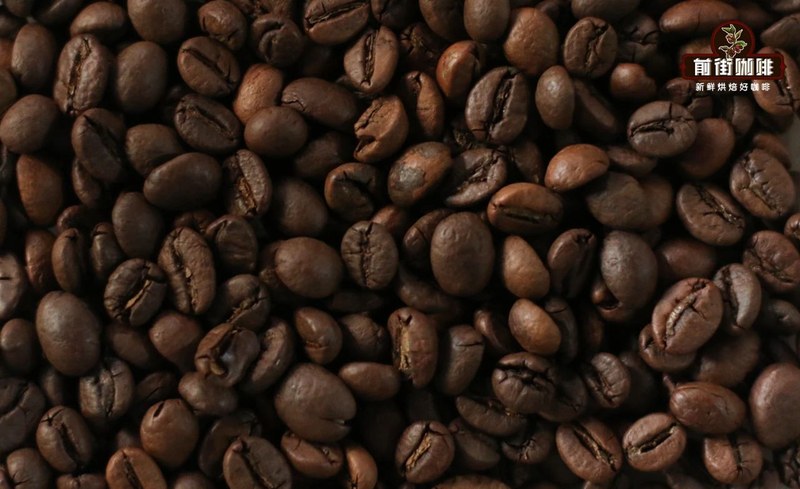
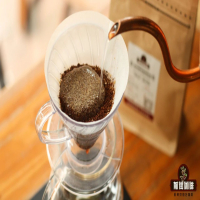
For water temperature, you can start with a gentler range; for pour-over with dark roast beans, you can begin with water at 88°C to 92°C. If the beans are very dark in color with obvious surface oils, the water temperature should not be set too high from the start, otherwise roast notes and bitterness can easily cover the sweetness. If the cup tastes thin and the aroma does not open up, then raise the temperature slightly so the cocoa and caramel tones are released more fully.
Grind size directly affects how quickly water contacts the coffee grounds. Dark roast beans are relatively porous and usually do not need to be ground too fine, to avoid slow drainage through the bed and a dry-tasting finish. For pour-over, you can start medium-coarse and watch the flow rate and mouthfeel; if the cup tastes like dark grain water, extraction is too low, so you can grind slightly finer, and if the bitterness drags on, adjust coarser.
The coffee-to-water ratio determines strength and also changes the heavy feel of dark roast beans. If you want a lighter black coffee, start with more water so the cocoa and nut notes become airy; if you like a rich mouthfeel, reduce the water to keep more syrupy texture. When adjusting, do not change grind and water temperature at the same time, otherwise it is hard to tell which one caused the change.
The pouring method is also worth attention. Dark roast beans are not well suited to excessive agitation; in the early stages of pour-over, you can let the coffee bed absorb water fully, then finish extraction with a steadier stream. A very wide circling motion that repeatedly strikes the bed can easily push fines downward and slow the later drainage. If you want a cleaner cup, reduce agitation and focus on even saturation and smooth flow.
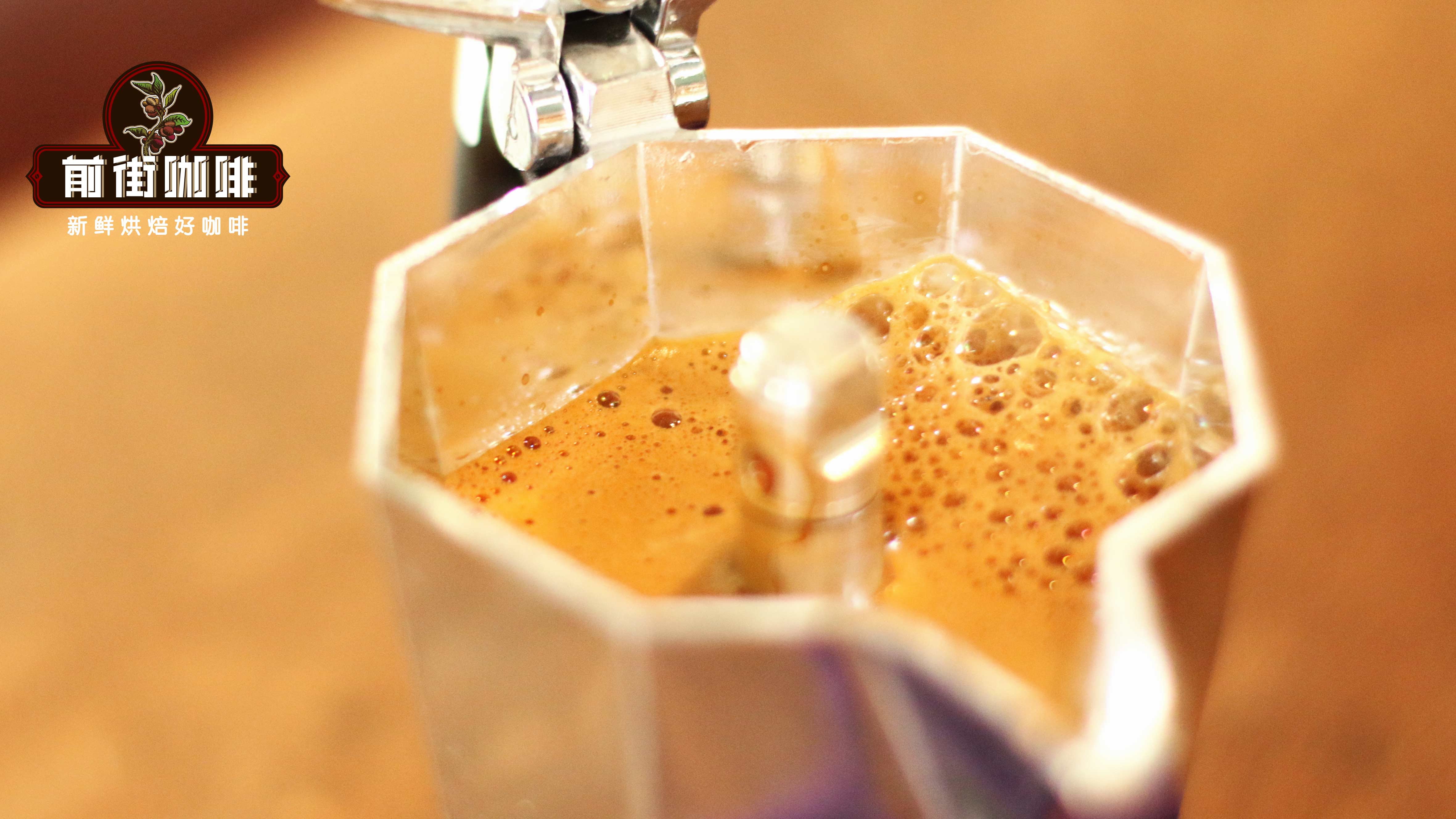
When using a moka pot, the thickness of dark roast beans is usually easy to bring out, but the heat level and when you take it off the heat still affect the result. The grounds can be slightly coarser than for espresso; when filling, keep the surface level and do not press hard. Keep the heat low during heating, and when the coffee liquid starts to lighten in color and the sound changes from a steady flow to obvious sputtering, you can stop the heat and let residual heat finish a small amount of extraction.
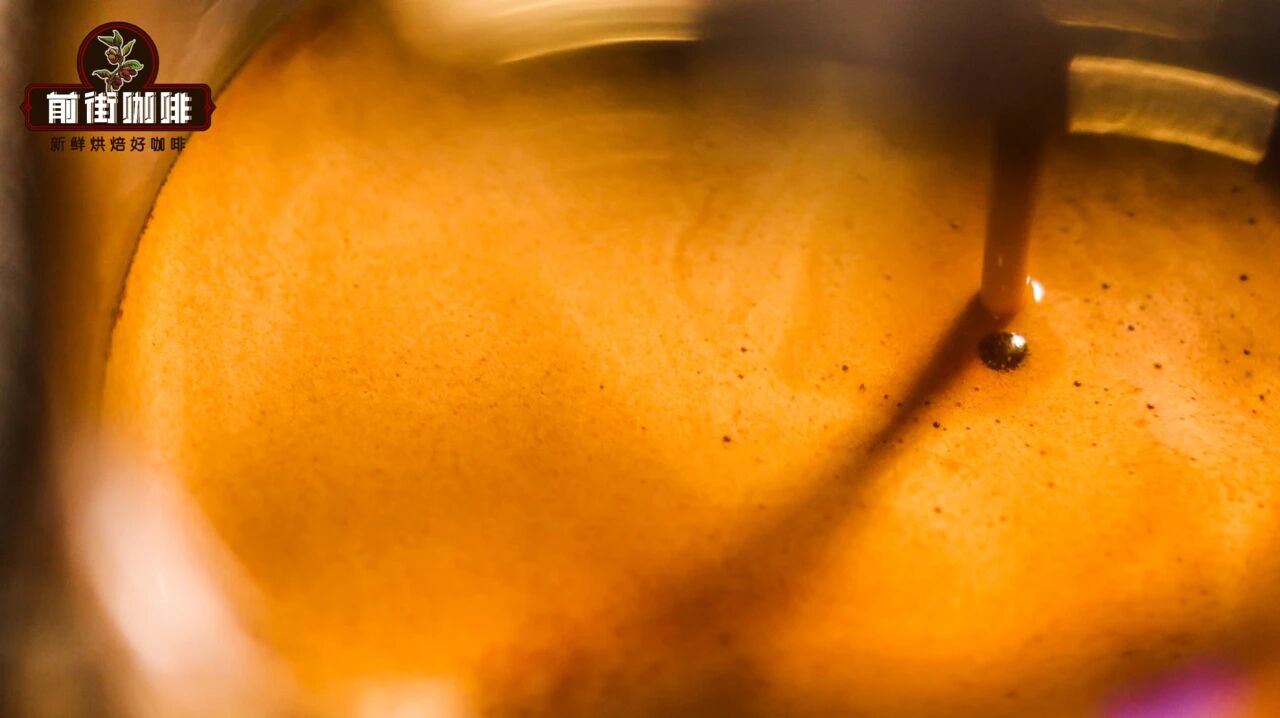
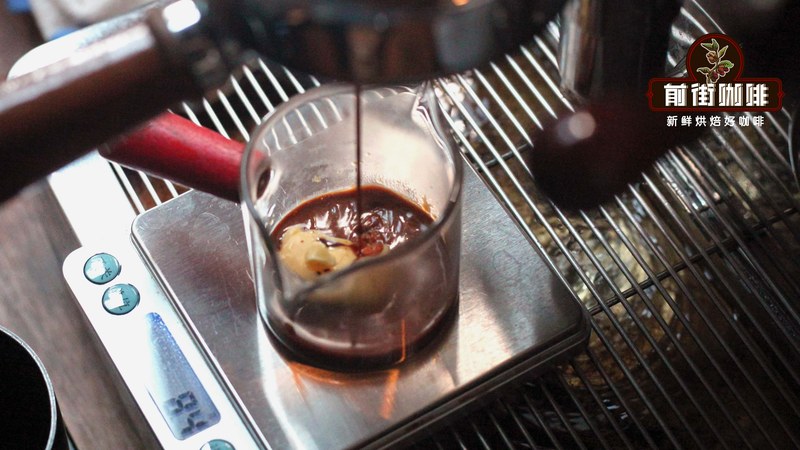
If you make espresso with an espresso machine, dark roast beans are suited to starting with a shorter yield target. Too much yield can make the flavor scorched, bitter and dry; too little yield may leave only a strong roast note. You can first keep the dose unchanged and adjust strength through grind fineness and liquid weight. Adding hot water for an Americano can open up the aroma, while milk drinks can keep a higher strength so the coffee still comes through the milk.
Qianjie PWN Indonesia Golden Mandheling is suitable for practicing this kind of parameter thinking. Its acidity is not prominent, and on the palate it is easier to sense herbal notes, black chocolate associations and a thick texture. When brewing with a moka pot, you can use low heat and a shorter yield to reduce scorched bitterness; diluted as an Americano, the mouthfeel becomes smoother, suiting drinkers who prefer a rich base.

If you often make iced pour-over or cold drip at home, you can choose the livelier Qianjie Colombia Cidra. In cold drinks it easily shows sweet aromas like grape, berry and ripe stone fruit, and is suited to being brewed with a brighter strength. For iced pour-over, reduce the total hot water and then chill quickly with ice; for cold drip, pay attention to the drip rate, as too slow will make woody and astringent notes in the finish more prominent.
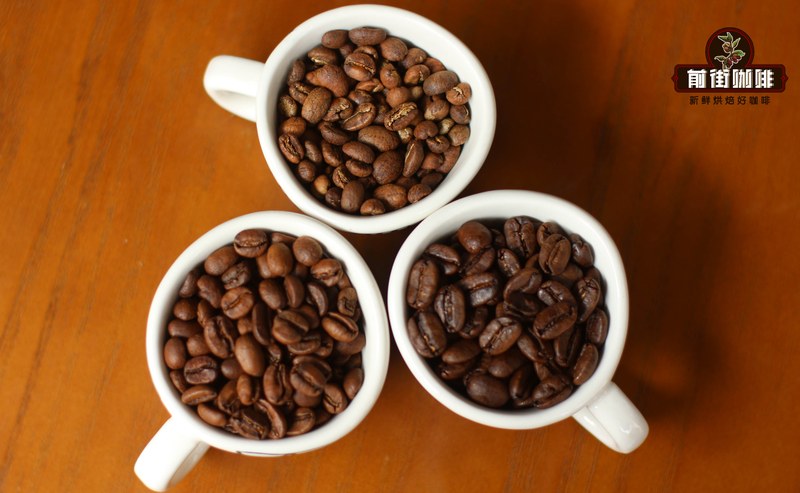
For those who prefer a lighter dark roast expression while hoping to keep floral and fruity aromas, keep an eye on Qianjie Yirgacheffe Gedingding. It carries citrus, berry and floral associations, with a finish like faint tea. For hot pour-over, use a lower water temperature and coarser grind to highlight the clear aroma; for cold brew, extend the contact time, and the acidity will feel softer, making it more suitable for slow sipping overall.
When choosing dark roast coffee beans, you can first confirm what parameter space your equipment at home can provide: a moka pot depends on heat and yield, an espresso machine on grind and liquid weight, pour-over makes it easier to adjust temperature, flow rate and strength, and cold drinks require managing time and dilution ratio. Choose adjustable variables according to your equipment, then start from the body, aroma and strength you like, and dark roast beans can brew a cup that fits your daily routine better.
Related Reading




Comments (0)
Loading comments...
You May Be Interested




Trending Reviews
Popular Videos

With you, wherever you are! We provide useful features to help you find new things you'll love






