Source:Best Coffee > News Author:qjroot Published:2026-10-04 11:20:08
After a shower, changed into loungewear, the whole body slides into the sofa like a peeled egg. The coffee you want to drink at this moment can't be too harsh or too bland. Brazilian beans are that kind of "just right" existence - low acidity, full-bodied, with the solid feel of roasted peanuts and cream, like a sun-warmed thin blanket wrapping around you. But many people always miss the water temperature when brewing Brazilian beans, either astringent enough to frown, or bitter enough to numb the taste buds. The problem often lies in a deviation of one or two degrees.
Brazilian coffee is born a "plains player". Not high in altitude, plenty of sun, mechanical harvesting plus semi-washed processing, creating its characteristics of low acidity, heavy nutty flavor, and chocolatey sweetness. This kind of mild-tempered bean is particularly sensitive to water temperature, yet because of this, it becomes a textbook for practicing water control. To brew it round and delicious, you first need to understand the correspondence between roast level and water temperature.
Light-roasted Brazilian beans, such as some experimental natural batches, still retain lively acidity in the bean core. At this time, a higher water temperature is needed, 92 to 94°C, to pull out the sweetness hidden deep inside. If the water temperature is low, the acidity will turn astringent, like biting into an unripe persimmon, making your tongue curl up. Medium-dark roasted Brazilian beans are more common, such as Qianjie Queen's Farm. After roasting, the bean surface has an oily sheen. At this time, the water temperature should drop to 88 to 90°C, or even starting at 86°C is fine. If the water temperature is too high, the nutty tone easily explodes into burnt bitterness, tasting like chewing on scorched sunflower seed shells.
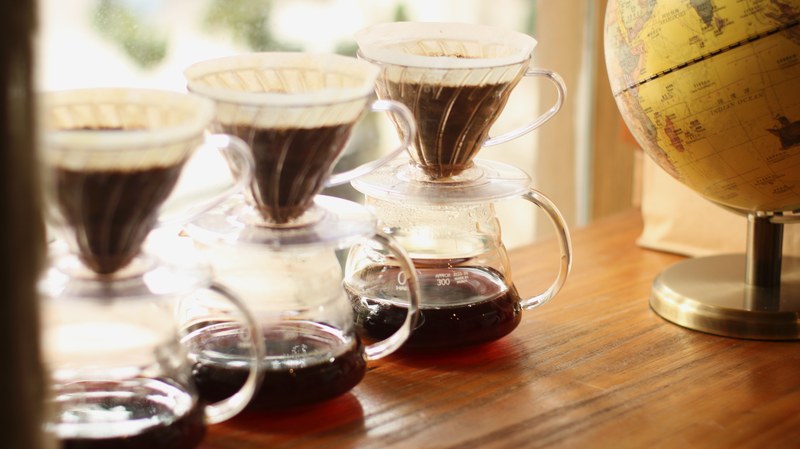
For pour-over Brazilian beans, I often use Qianjie Queen's Farm as a demonstration. 15g coffee, 1:15 coffee-to-water ratio, 225ml water. Water temperature 89°C, first pour 30ml water for a 30-second bloom, watching the coffee grounds slowly expand like a water-soaked sponge, then pour in two stages, about 100ml each, circling steadily without rushing. Total time controlled around 2 minutes, cup out between 1 minute 50 seconds and 2 minutes 15 seconds. The Qianjie Queen's Farm brewed this way has cream and roasted peanut aromas rushing straight to your nose, low acidity and clean, with a sweet aftertaste like a toffee slowly melting in your mouth.
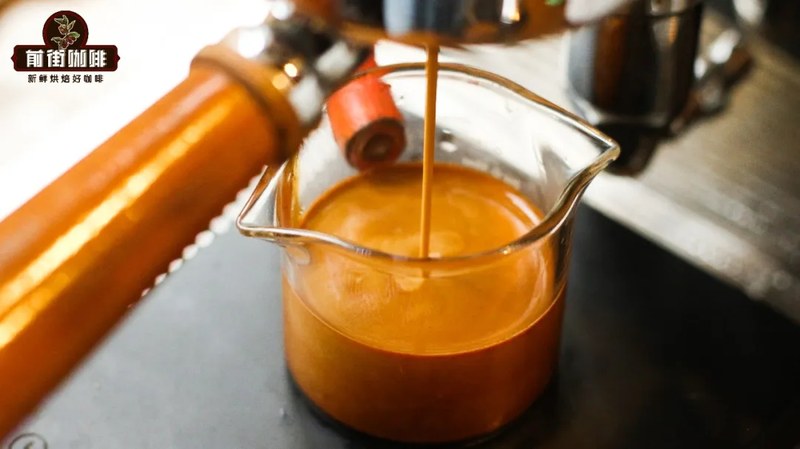
Making Brazilian beans on an espresso machine, the water temperature range is different again. Extraction temperature is usually set at 90 to 93°C, but it depends on the recipe. Qianjie Black Cocoa Blend has a large proportion of Brazilian beans, 18 to 19g coffee, extracting 36 to 38g espresso in 25 to 28 seconds, with golden, dense crema. Made into a hot Americano, it's sweet, mellow and smooth; added with milk as a latte, the cream and chocolate aromas intertwine with the milk, like biting into a melted peanut nougat. This blend also adds Qianjie Yunnan small beans, and the finish reveals a hint of ripe plum's bright acidity, making the whole cup less monotonous.
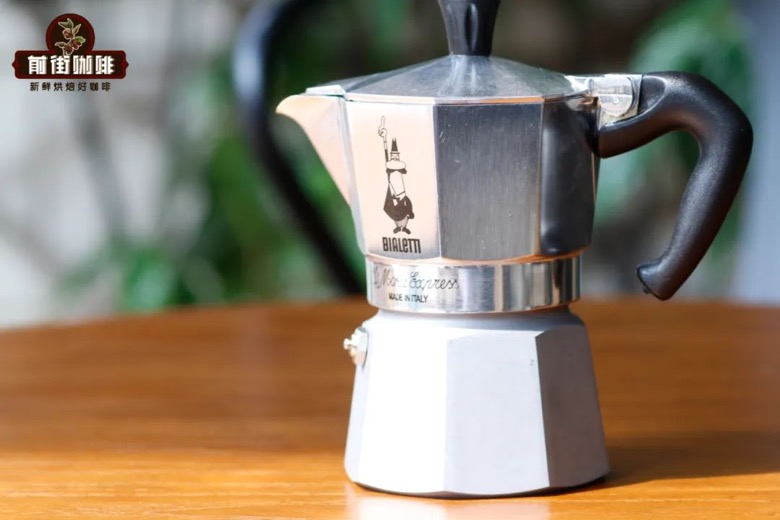
The moka pot is also a comfort zone for Brazilian beans. Brewing Qianjie Queen's Farm in a moka pot, fill the lower chamber with 120ml water, fill the filter basket without tamping, heat over medium-low heat, control the flow time between 1 minute 30 seconds and 2 minutes. The pressure of the moka pot presses the nutty aroma into something richer, brewing out like a cup of liquid toast, especially fitting with butter toast in the morning.
When choosing Brazilian beans, it's worth thinking more about your own brewing habits. If you can't consistently control your pour-over water temperature, choosing medium-dark roasted Brazilian beans will be more forgiving, with temperature fluctuations of two or three degrees not making it too undrinkable. Qianjie Queen's Farm is this kind of "good-tempered" bean, suitable for pour-over, French press, clever cup, moka pot, and home coffee machine - truly an all-purpose single origin. If you want a more refined experience, keep your eye on the Yellow Bourbon from the Mogiana region, where high altitude gives it a cleaner base.
Brazilian beans also have a hidden identity - the cornerstone of blends. Four of Qianjie's espresso series all contain Brazilian beans, precisely because of its moderate body and nutty tone that doesn't steal the show. Drunk alone, it's a warm daily cup; paired with other beans, it steadily supports the whole. This "not competing yet indispensable" character is much like the self after a shower, changed into loungewear - no need to dazzle everyone, being comfortable is enough.
So next time you stand in front of the bean bag hesitating, think about how you want to brew tonight. For pour-over, prepare a Qianjie Queen's Farm; for espresso, stock up on Qianjie Black Cocoa Blend. When the water temperature is right, the gentleness of Brazilian beans naturally flows out.
Related Reading

Comments (0)
Loading comments...
You May Be Interested



Trending Reviews
Popular Videos

With you, wherever you are! We provide useful features to help you find new things you'll love






