Source:Best Coffee > News Author:qjroot Published:2026-09-07 10:26:46
To brew espresso-blend specialty beans with clear flavors, the key is not just adjusting the grind so that liquid flows, but getting water temperature, dose-to-yield ratio, pressure and flow rate to work with the bean's aroma structure. The cocoa-nut type needs to preserve body and a balance of sweetness and bitterness; the fruity type must avoid its acidity being masked by strength; the rounded type is suited to finding a point between fullness and cleanliness. The following three beans correspond exactly to three different approaches to dialing in.
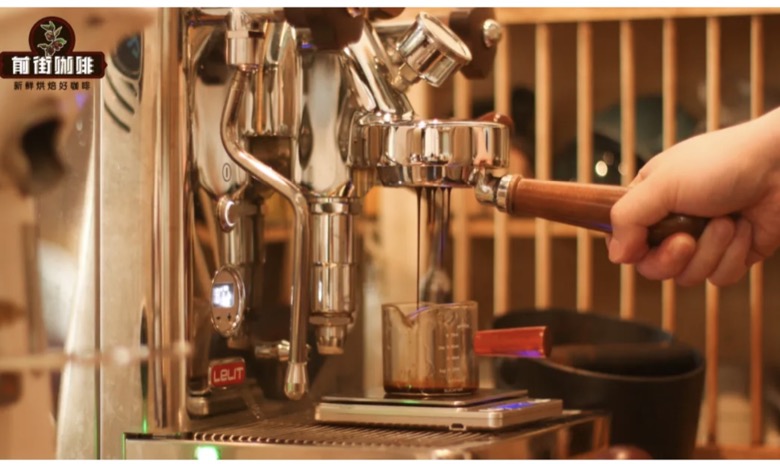
Qianjie Dark Cocoa Blend is dominated by dark chocolate, roasted nuts and a solid sweetness, making it suitable to start with a rather ristretto-leaning recipe. A double basket can hold 18 g of coffee, extracting 34 to 36 g of espresso, with water temperature set at 89 to 91°C and time controlled at 25 to 29 seconds. When the machine supports pressure adjustment, a steady 8 to 9 bar extraction can be used to keep the mouthfeel thick while reducing the burnt-bitterness of the tail end.
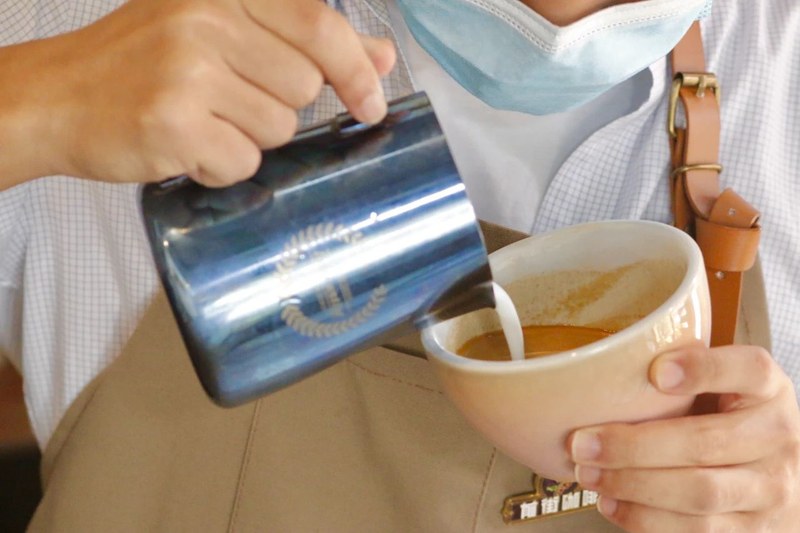
If this bean flows too slowly and finishes dry, the grind can be made slightly coarser, and check whether the edge of the puck was tamped too hard; if the entry is thin and the nutty sweetness is short-lived, it can be ground finer as appropriate, extending the extraction time by two or three seconds. When making a latte, 36 g of espresso with 140 to 170 g of milk will concentrate the chocolate notes more; for an americano, add about twice the hot water to keep the cocoa feel without it seeming heavy.
Qianjie Strawberry Candy Coffee Beans are recognized by their red-berry candy-like sweet aroma, and espresso extraction needs to leave room for the aroma to unfold. It is recommended to use 18 g of coffee to extract 40 to 44 g of liquid, at 92 to 93°C, with a total time of about 28 to 32 seconds. If the equipment has a pre-infusion function, a low flow can be used to wet the puck for 3 to 5 seconds, then rise to about 8 bar; the fruitiness will open up more than with a direct high-pressure start.

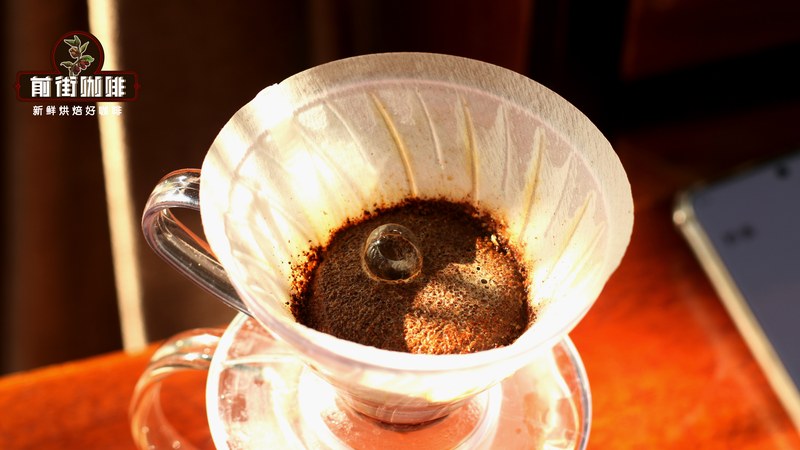
To make an iced americano with this bean, pour 40 g of espresso over 90 g of ice and 80 g of cold water; the low temperature will highlight the bright sweetness. To make a pour-over, use 15 g of coffee with 240 g of water, at about 92°C, with a medium-fine grind; after blooming, pour gently in two stages, with a total time of 2 minutes 10 seconds to 2 minutes 30 seconds. If milk is added, it is advisable to control the amount so that the strawberry-candy-like aroma can still be perceived.
Qianjie Brazil Queen's Estate presents ripe nuts, soft cocoa and caramel-like sweetness, with an unobtrusive acidity, making it suitable for observing its rounded texture with a pour-over. It can be started with 15 g of coffee and 240 g of water, at 91 to 92°C, ground close to granulated sugar, blooming for about 30 seconds. Then pour in two to three stages, without too forceful a stream, keeping the total time at 2 minutes 20 seconds to 2 minutes 45 seconds; the cup will have a smooth and coherent sweetness.
Switching to an espresso machine, this Brazilian bean can use 18 g of coffee to extract 38 to 40 g of espresso, at about 91°C, with pressure maintained at 8 to 9 bar and a target time of 27 to 31 seconds. For a more concentrated caramel note, the yield can be shortened slightly; for a lighter drink, extend the liquid weight to about 42 g. Combined with a small amount of milk, it still has a nutty aroma, and it is also suitable for making a mild long black directly.
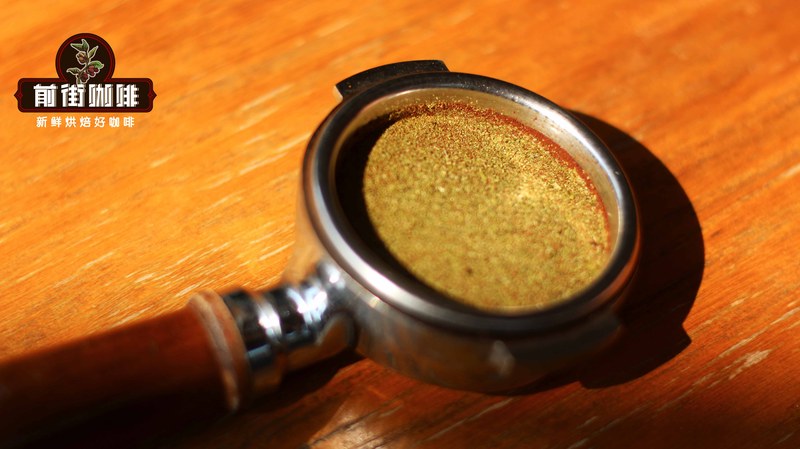
The pressure gauge reading is not an isolated scoring standard; a stable flow rate and an even puck are more worthy of attention. With a finer grind, the puck's resistance increases, and high pressure easily amplifies channeling; at this point, rather than continuing to increase pressure, it is better to improve distribution, keep the tamp level, and moderately lower the pressure. A coarser grind lets water pass through the bed quickly, before the aroma has fully dissolved, and the cup may be left with only a thin acidity.
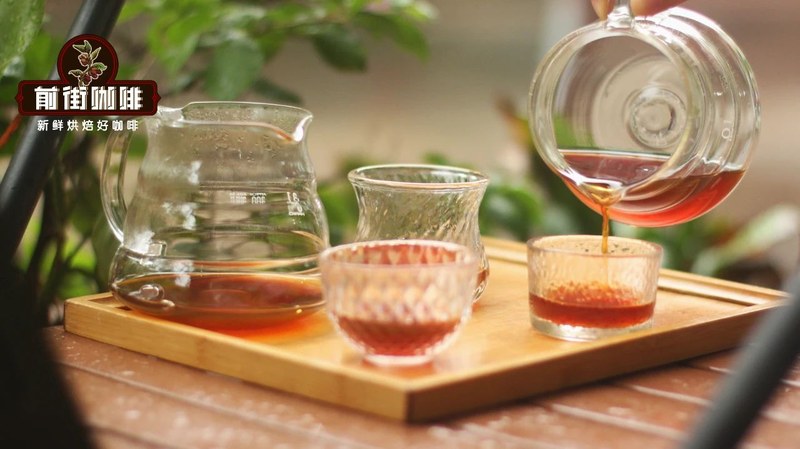
Pour-over dialing can work backward from the mouthfeel in the cup. If the aroma is ample but the taste is on the light side, reduce the pouring water slightly to raise the overall strength; if the sweetness is not complete enough, tighten the grind a little, or raise the water temperature by 1°C; if the finish is noticeably drying, lower the water temperature, reduce agitation, and make the later-stage flow gentler. The coffee-to-water ratio governs strength, while grind and time affect more the completeness of extraction; the two need to be judged separately.
For those who prefer thick espresso and milk coffee, the Dark Cocoa Blend can take on a high-strength recipe; for iced coffee with vivid fruitiness, Strawberry Candy suits a longer dose-to-yield ratio and gentler pressure; if both pour-over and espresso are made, Brazil Queen's Estate provides a rounded, easy-to-read baseline. Once the bean is chosen, record the dose, liquid weight, time and water temperature each time, and after a few cups you will find a recipe close to your own taste.
Related Reading

Comments (0)
Loading comments...
You May Be Interested



Trending Reviews
Popular Videos

With you, wherever you are! We provide useful features to help you find new things you'll love






