Source:Best Coffee > News Author:qjroot Published:2024-10-26 18:45:06
In 2005, Hacienda La Esmeralda in Panama entered the Geisha variety in the Best of Panama competition and auction. At the time, the Geisha stood out among a crowd of coffees with its delicate floral aroma, jasmine scent and peach and bergamot flavors, winning that year's championship with an exceptionally high score. At the subsequent auction, that Geisha sold for 21 USD/lb, breaking the world record at the time, and from then on the Geisha variety became famous.
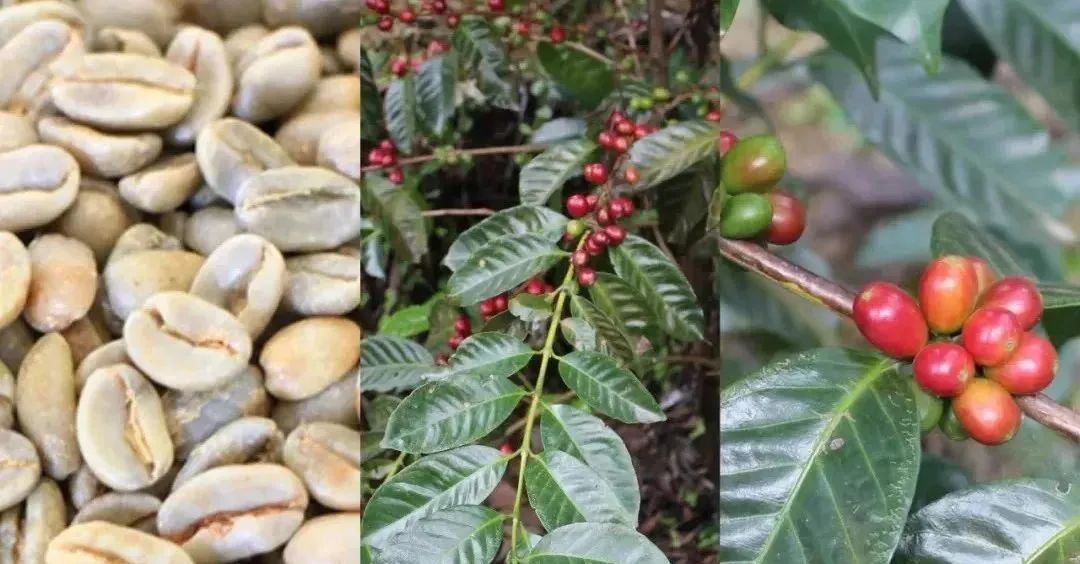
Later, through tracing, the Geisha variety originally came from Ethiopia. It was discovered in the 1930s near the Gesha area by the Kaffa forest in southwestern Ethiopia. At the time, it was found that this variety had resistance to leaf rust, and it passed through coffee research institutes in multiple countries before finally becoming famous in Panama.
After the Geisha variety became well known, it attracted many estates and countries to introduce and plant the Geisha variety, including a director, Adam Overton, and his photographer wife, Rachel Samuel. In 2007, the couple was commissioned by Ethiopia to shoot a documentary about coffee. During the filming, they came to the Bench Maji area and discovered the Gori Gesha Forest, and so the idea of establishing a coffee estate was born.
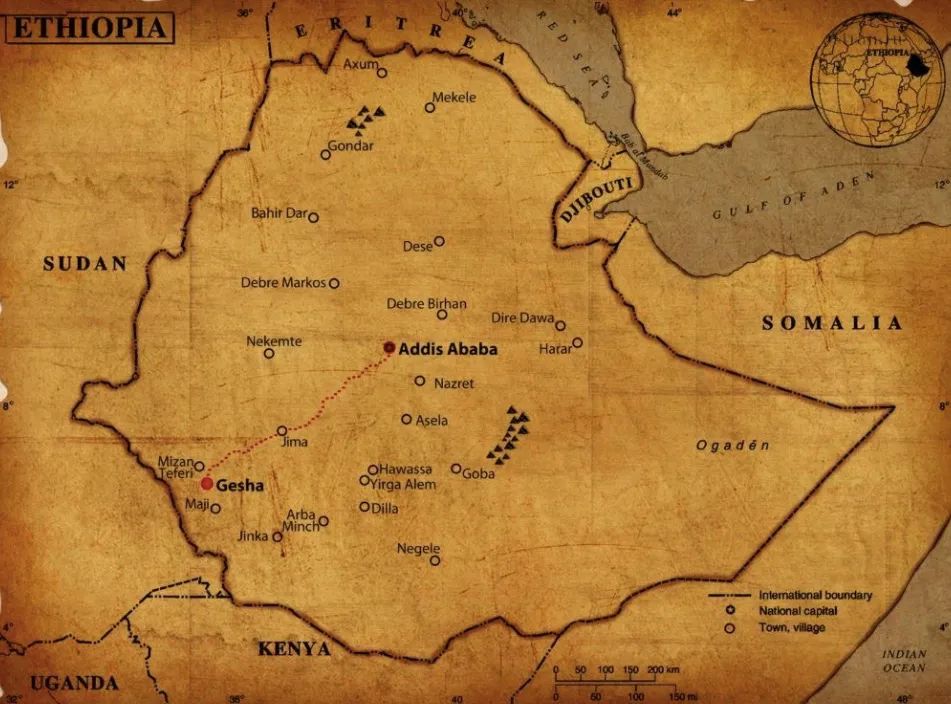
Later, in 2009, the couple met Willem, the owner of Panama's Mule Estate, and they teamed up to return to Ethiopia in search of Gesha's birthplace. They came to a place in Bench Maji known as Gesha Village, and found the area most likely to be the original Gesha. So in 2011 they established their estate here and named it "Gesha Village Coffee Estate".
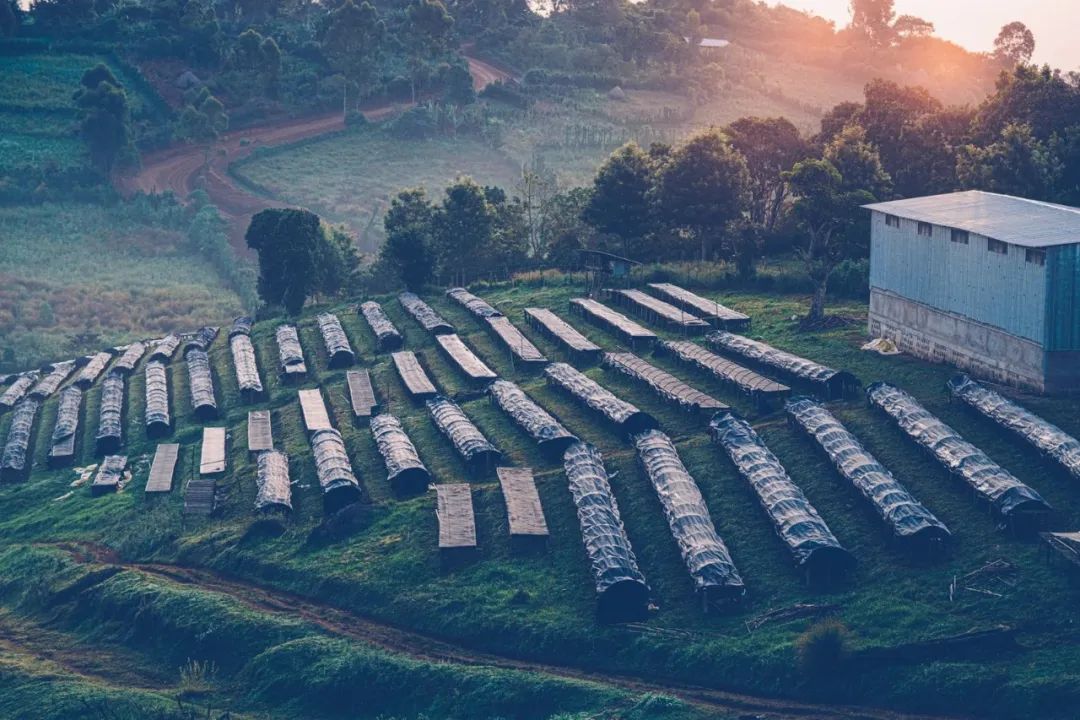
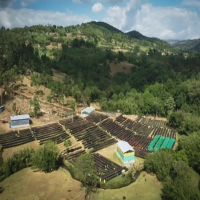
Gesha Village Coffee Estate is rather special, as it is completely different from the vast majority of Ethiopian farms. Gesha Village Coffee Estate is not a small farm; it is a large farm of 500 hectares, and it has its own dedicated processing plant and coffee variety laboratory.
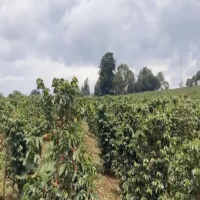
Currently at Gesha Village Coffee Estate, three coffee varieties are grown in total: Gesha 1931 (Gesha1931), Gori Gesha (Gori Gesha) and Illubabor Forest 1974 (Illubabor Forest 1974), and it is divided into 8 blocks, with each block planted with only one coffee variety.
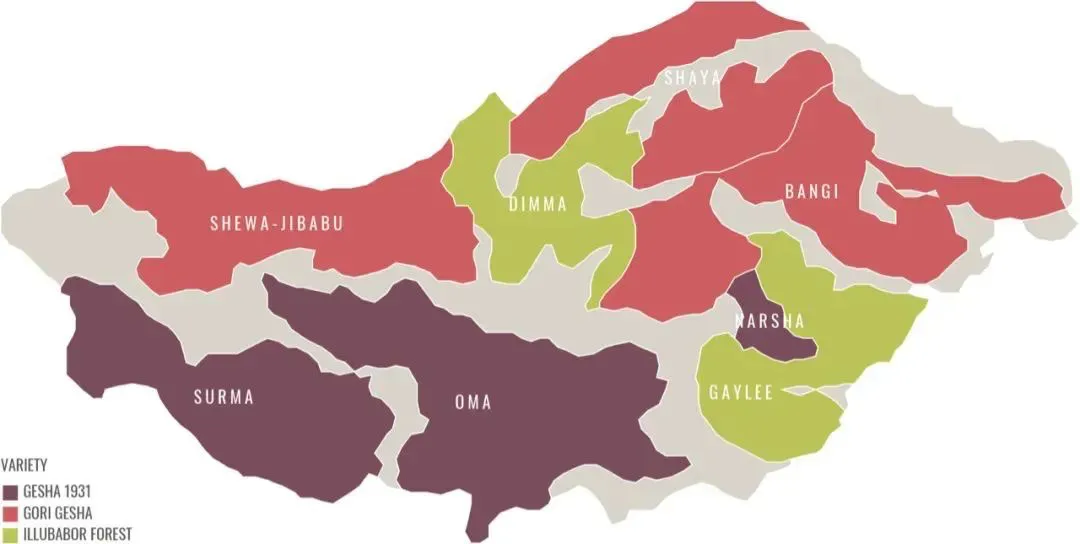
Gesha 1931 (Gesha1931). The Gesha variety was first discovered in Ethiopia in 1931, passed through many countries, and finally made its name in Panama. Gesha 1931 (Gesha1931) is a native Gesha variety found by the owner of Gesha Village in the Gesha forest, and because its genes are very close to the Panama Gesha variety in genetic comparison, it was named Gesha 1931. This variety is planted in three blocks of Gesha Village: Oma, Surma and Narsha.
Gori Gesha (Gori Gesha) was discovered in 2011, after Gesha Village was established, when a native Gesha bean variety was found in the Gori forest 12 miles from the estate, and was therefore named Gori Gesha. This variety is planted in three blocks: Bangi, Shewa-Jibabu and Shaya.
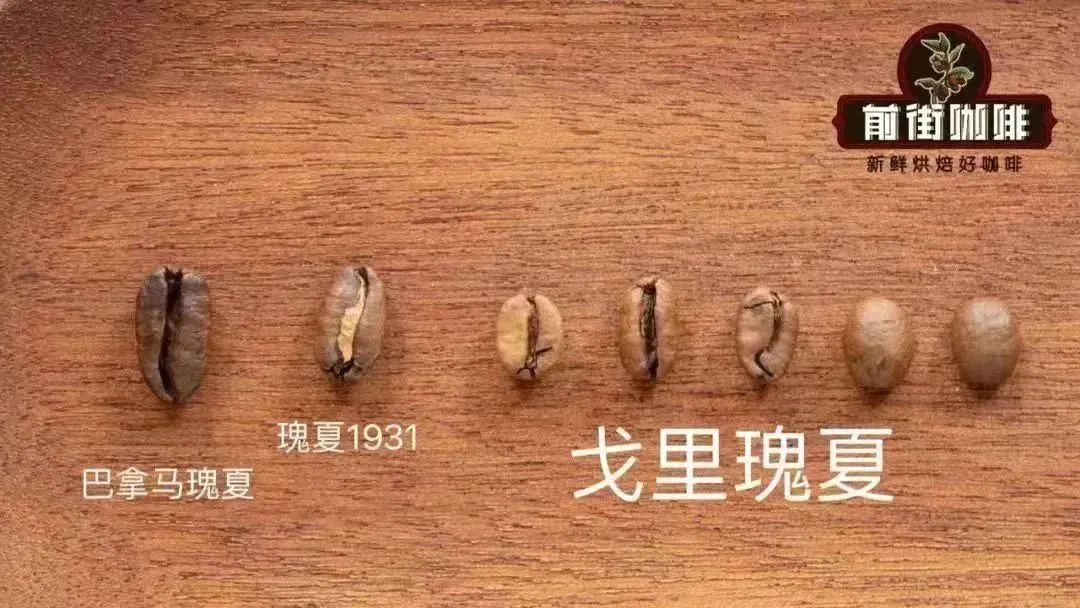
Illubabor Forest 1974 is a disease-resistant variety developed by the Ethiopian Coffee Research Center. This variety was discovered during a survey in the Illubabor Forest in 1974, and is currently grown only at Gesha Village Estate.
The grading at Gesha Village Estate differs from Ethiopia's traditional grading. Gesha Village Estate's coffee grading draws on the grading of some well-known estates in Panama, and is divided into 5 grades in total: auction lot, gold label lot, red label lot, green label lot and Chaka lot.
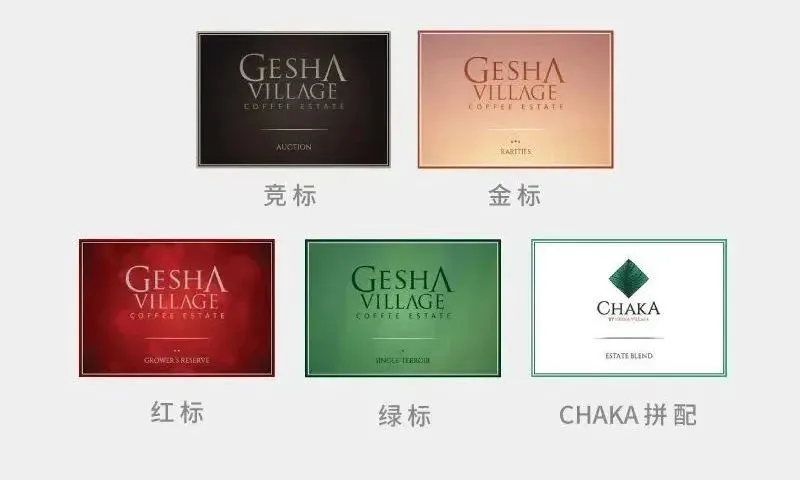
Auction lots (Champion's Reserve/Farm Reserve) account for only 3.7% of Gesha Village Estate's annual production and represent the estate's finest lots, selected through rigorous screening; the auction lots are further divided into Champion's Reserve and Farm Reserve, and can currently be obtained only through Gesha Village Coffee Estate's global auction.
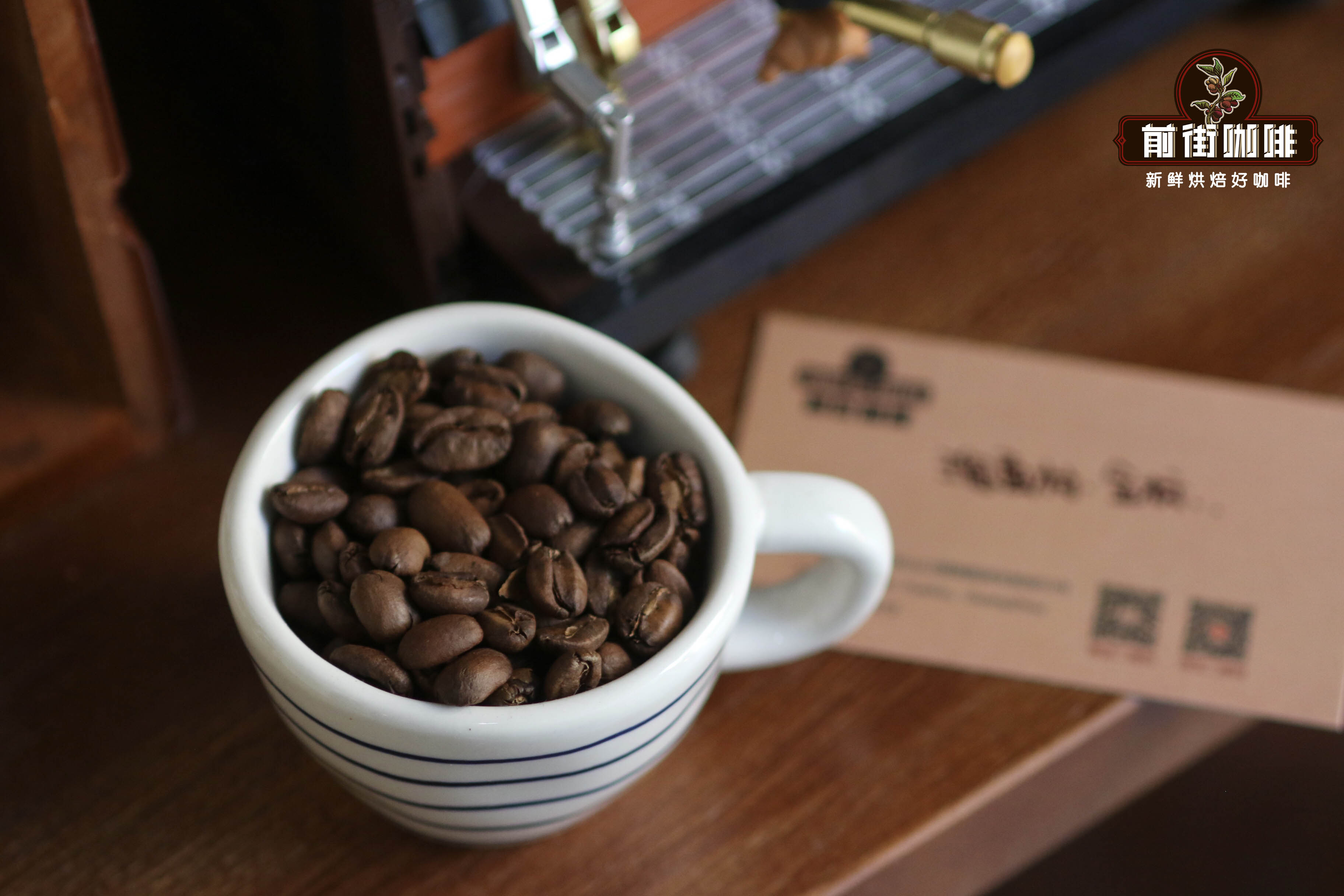
The Gold Label lot (Rarities) accounts for 10% of the estate's total annual coffee production and represents the highest quality outside of the auction lot; this lot is often chosen by coffee competitors to enter coffee competitions.
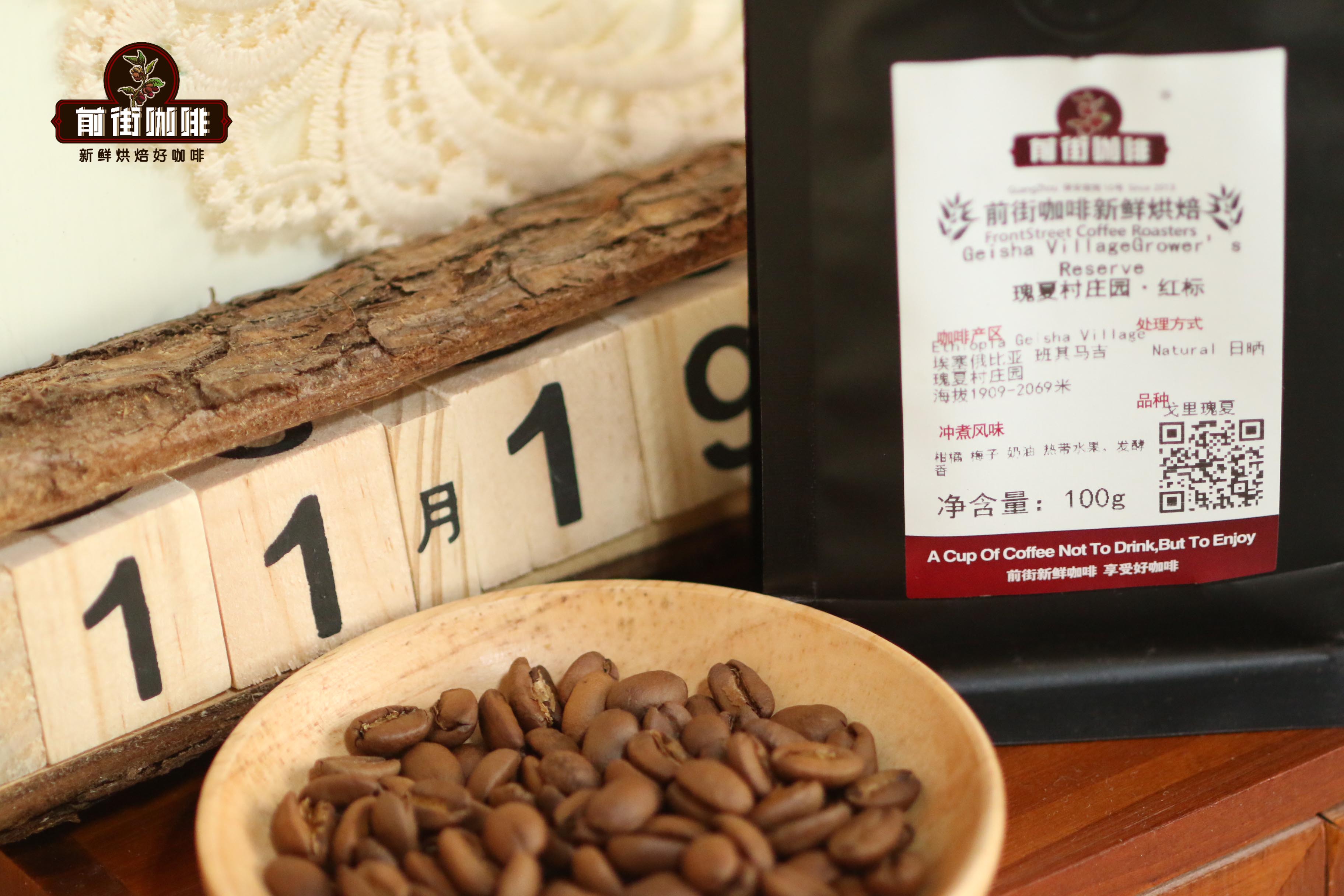
The Red Label lot (Growers Reserve) accounts for 15% of the estate's annual coffee production and must score 88 points or above on the SCA 100-point cupping scale to be selected as this lot.
The Green Label lot (Single-Terroir) comes from a single plot and is a single-variety lot; its flavor intensity is weaker than that of the Red Label lot, and there is no cupping score requirement.
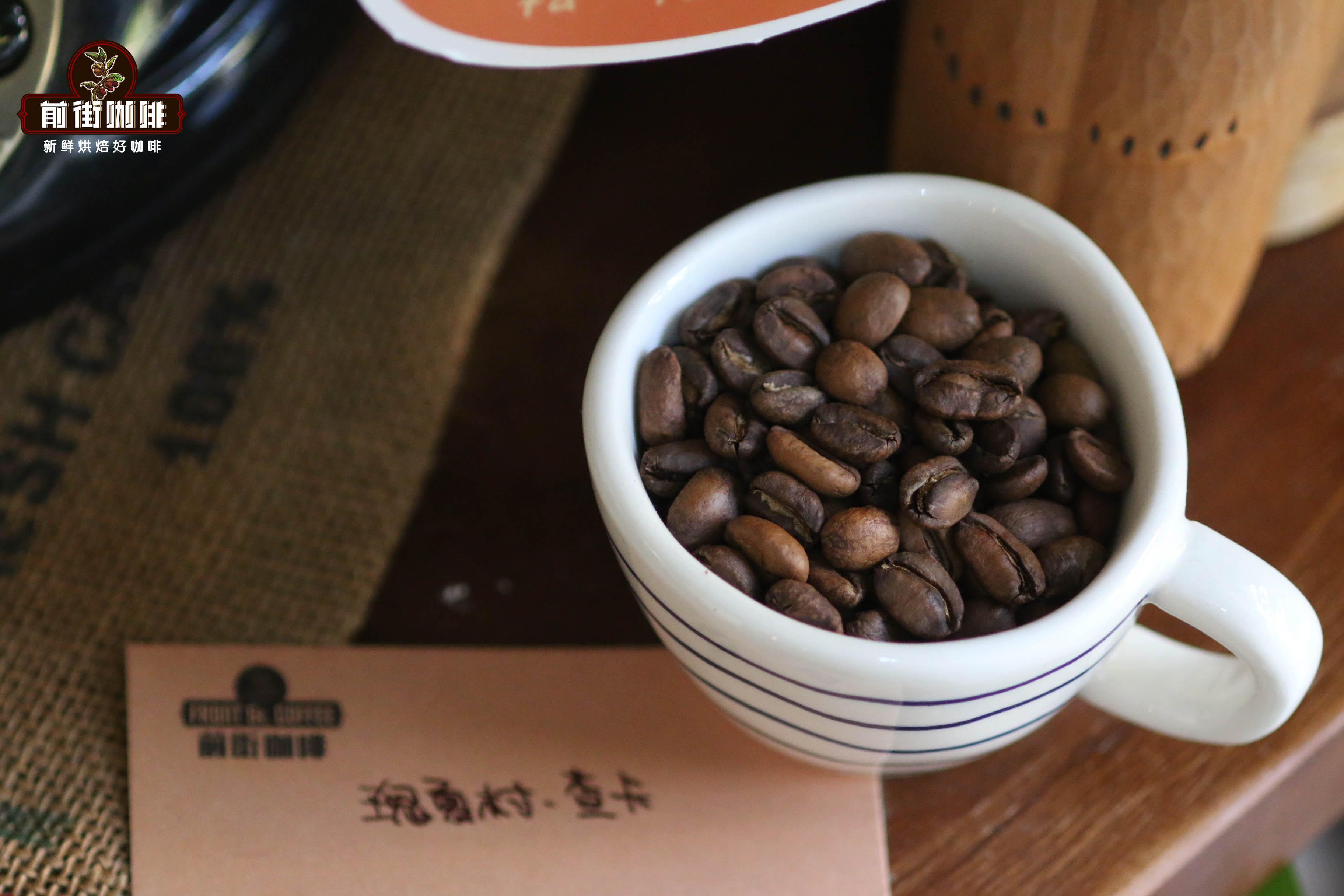
The Chaka lot is a Gesha blend produced by Gesha Village Estate, mixing all the plots and varieties across the entire estate without emphasizing subdivided lots. "Chaka" means "forest" in an ancient Ethiopian language, and Gesha Village Estate itself is established at the edge of a primeval forest on the Ethiopian highlands, symbolizing that this lot is drawn from the forest of the entire Gesha Village Estate.
Unlike other lots from Gesha Village Estate, CHAKA blends Gesha coffee beans from all the plots within the estate and all production seasons of the year, including the three Gesha varieties grown at Gesha Village: Gesha 1931, Gori Gesha and Illubabor. This coffee has two natural processing methods, washed and natural; Qianjie obtained the naturally processed lot.
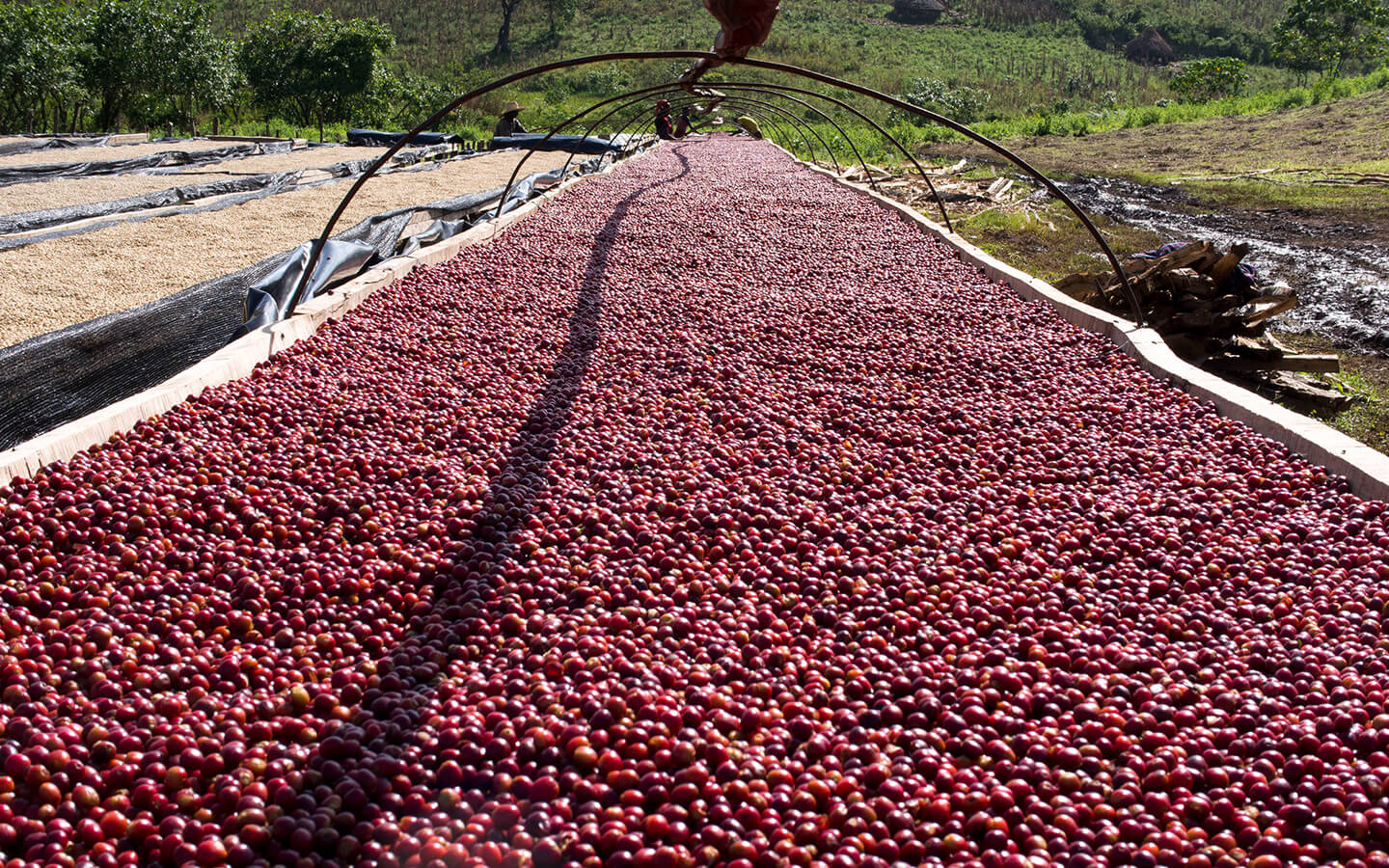
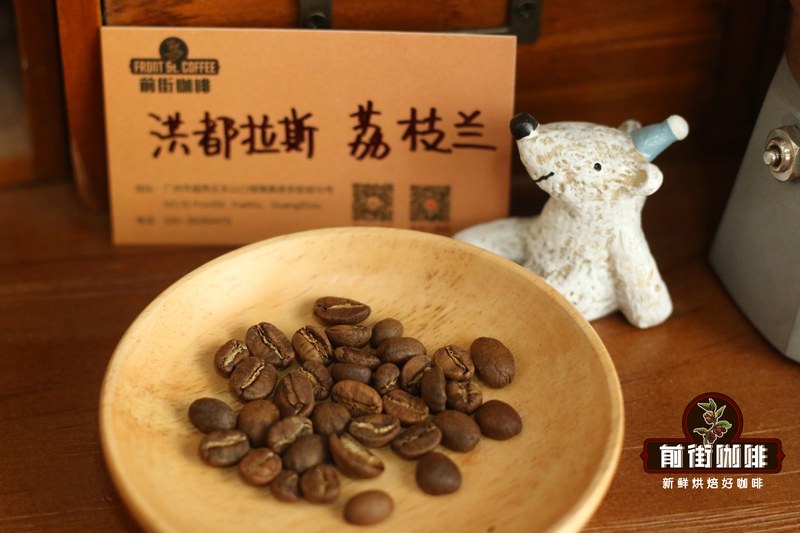
First, impurities and unripe cherries are removed through flotation, then the cherries are spread in a thin layer on African raised beds, covered with plastic sheeting for natural drying; during the drying process they need to be turned at regular intervals, and hand sorting is also carried out to pick out unevenly colored beans, with a total drying time of 18-30 days. To retain more fruit acidity, Qianjie chose a medium-light roast.
Through cupping, Front Street found that the CHAKA from Gesha Village presents flavors of floral, citrus, berry, cream, oolong tea character and cane sugar.
The preparation before brewing is crucial. Since this is a high-quality coffee bean, if you want to taste the complete aroma of the coffee, Front Street recommends choosing freshly roasted coffee beans. Because all coffee has a period when its flavor is at its best, generally 7-30 days after roasting, and only during this time will brewing not waste these good coffees. The coffee beans shipped by FrontStreet Coffee are all roasted within 5 days, which ensures that the coffee beans everyone receives after ordering are the freshest, and at this point they are right in the optimal tasting period.
Lightly roasted coffee beans have a harder texture and require a higher water temperature and a finer grind to bring out the aroma of the Gesha coffee.
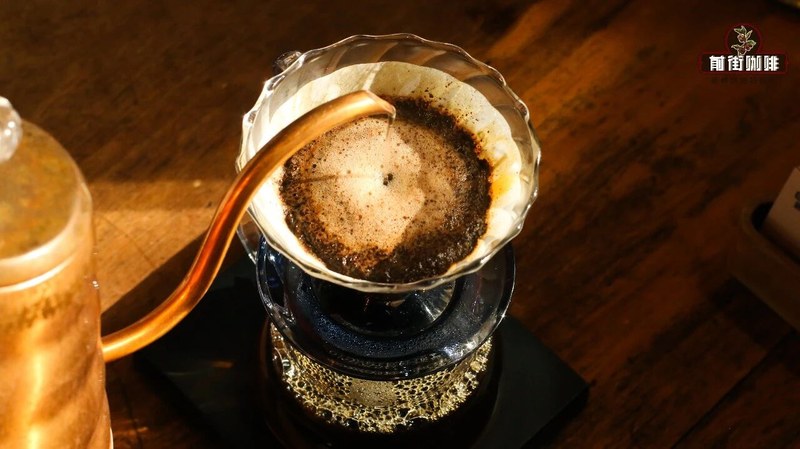
Dripper: V60
Water temperature: 91-92°C
Dose: 15g
Coffee-to-water ratio: 1:15
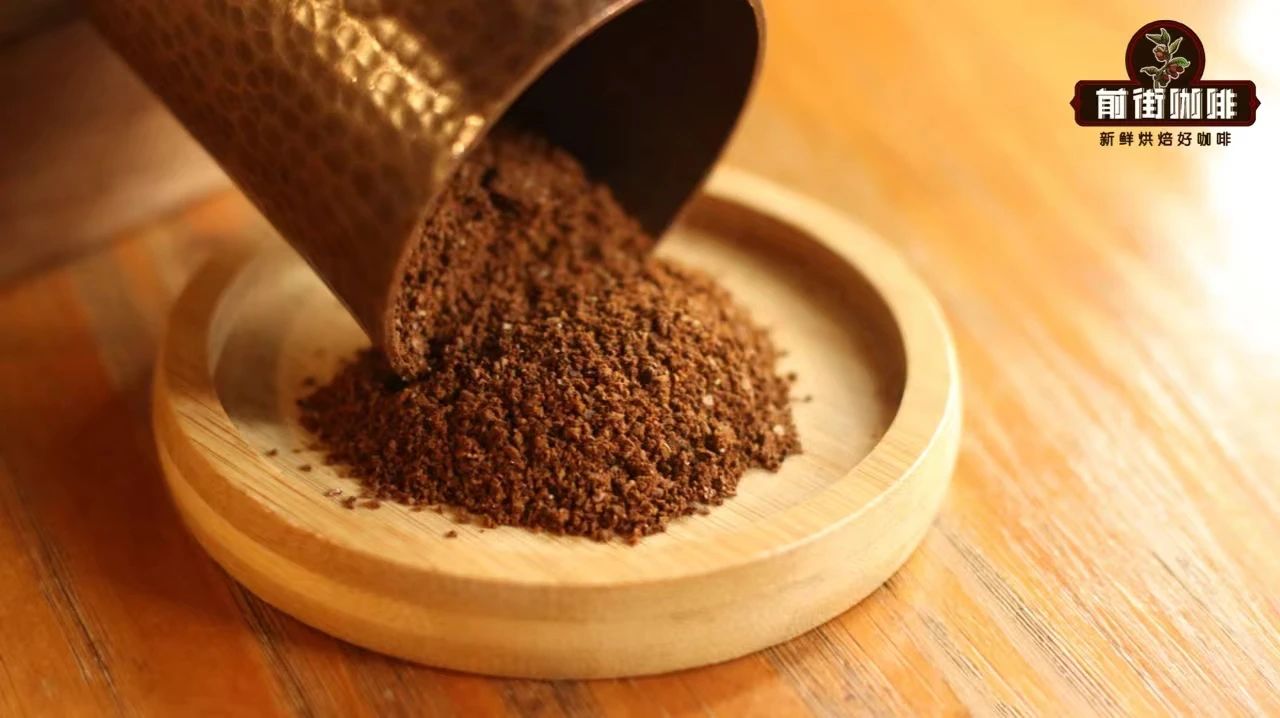
Grind size: caster sugar particle size (sift the grounds through a No. 20 sieve until 80% passes)

: 30g30, , 95g, 100g, . , , .
Related Reading



Comments (0)
Loading comments...
You May Be Interested
2024-08-17


Trending Reviews
Popular Videos

With you, wherever you are! We provide useful features to help you find new things you'll love






