Source:Best Coffee > News Author:qjroot Published:2026-09-24 15:59:40
Many friends often ask out of curiosity: the latte in a cafe clearly has no sugar added, so why does it taste so pleasantly, gently sweet? In fact, this likable sweetness depends not only on the lactose released when fresh milk is heated and steamed, but also on the extraction state of the espresso itself. When the coffee is extracted just right, with bitterness reined in and aroma abundant, the milk's sweetness can be brought out to the fullest.
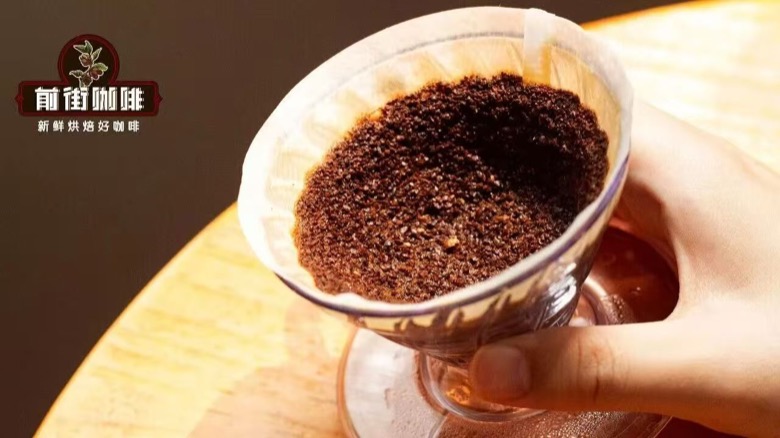
Whether a latte goes down smoothly depends on whether the extraction yield and strength are balanced. The extraction yield is like the measure of how well you draw out the essence of ingredients when cooking, while strength determines how rich or light the flavor is. If the grind is too coarse, the water flows through in a hurry, the coffee is underextracted, and it tastes sour and weak with an obvious watery feel; if it is ground too fine, the water is blocked and soaks too long, causing overextraction, and the annoying burnt bitterness and woody dryness of the late stage will show up.
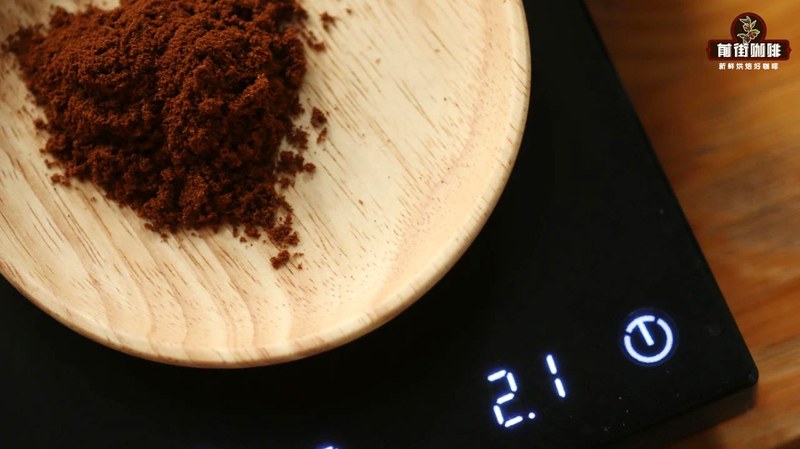
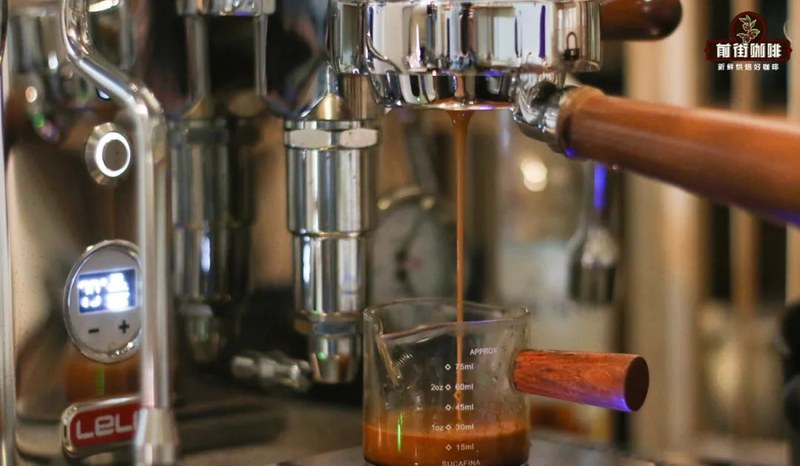
When extracting espresso at home, it is recommended to use 18-19g of coffee grounds to extract 36-38g of espresso liquid, with the time controlled at 25-28 seconds. If the coffee you make tastes astringent, it is often overextracted, so try adjusting the grind slightly coarser; if the flavor is thin and sour, adjust the grind one notch finer, or raise the brewing water temperature just a little, and you can quickly bring this bag of beans into a round, full state.
Pour the extracted espresso into a cup and add about two hundred milliliters of steamed fresh milk; this is a very palatable ratio. Remember to keep the milk steaming temperature between 55 and 65 degrees, when the lactose can fully release its sweetness and the fine microfoam gently wraps around the coffee oils. At the moment it enters your mouth, the tiny bubbles melt on the tip of your tongue, rich and silky, with the sweetness especially prominent.
When choosing beans, you should also consider whether you like to drink it strong or light. Friends who prefer a rich, solid coffee flavor with a nutty, caramel sweetness in the finish are suited to heavy-style beans with a medium-dark roast; if you prefer a light, lively sweetness like drinking fruit milk, you might choose a medium-roast blend that emphasizes floral and fruity aromas, where after dilution the sweetness and fruitiness interweave, fresh and smooth.
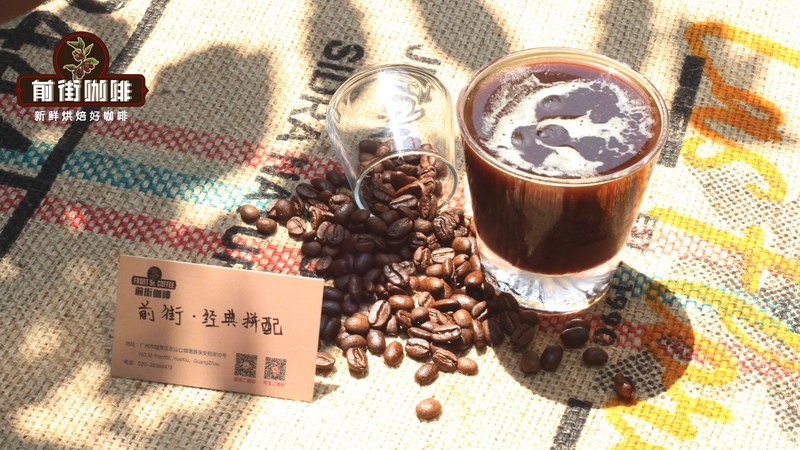
Friends who like traditional rich milk coffee can try Qianjie Classic Blend. The inspiration for this medium-dark roast recipe comes from the early Mamba combination, blending in Mandheling and Brazil, with a little Robusta to boost aroma and oils. The extracted espresso gives off notes of butter, toasted bread and caramel cookies, and after merging with milk it has a mellow, solid mouthfeel and a clear sweet aftertaste, making it very suitable for latte art practice.
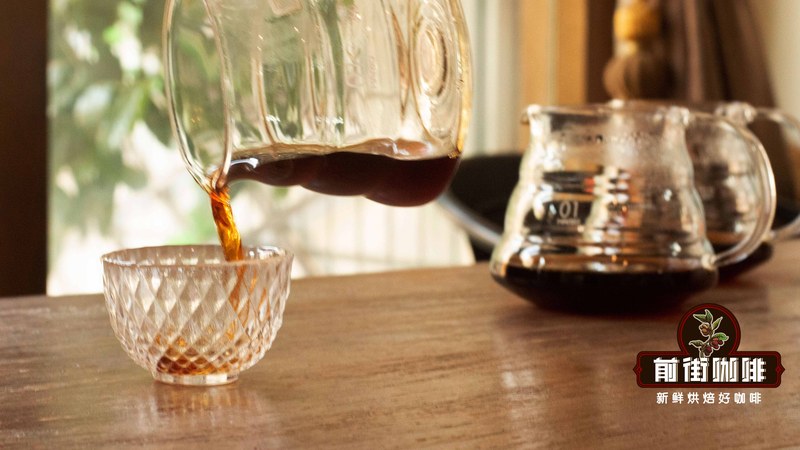
If you prefer a pure, warm nutty profile, Qianjie Specialty Blend performs especially impressively. It uses washed Colombian beans paired with semi-washed Brazilian beans, interweaving a balanced flavor of hazelnut, dark chocolate and caramel. Using it to make a latte is especially smooth on entry, with a long, sweet aroma, and when used to make a rich ice bock or a beautifully layered dirty coffee, a lovely dark tiger stripe can even float on the surface.
Friends who want to avoid bitterness and seek fruity sweetness will be greatly surprised by Qianjie Strawberry Candy espresso. It brings together beans from Costa Rica, Colombia and Ethiopia, uses a medium roast, and naturally carries flavors of rose, citrus and dried blueberry. After adding milk it transforms into the sweetness of strawberry gummies and cream cookies, with the fruity aroma lightly dancing on the tongue, refreshingly and pleasantly sweet.
Pick a bag of beans you like, spend two minutes carefully calibrating the grind size and shot time, watch the golden crema slowly fill the bottom of the cup, then slowly pour in the warm, delicate microfoam. Without complicated techniques, you can make a rich, aromatic latte with its own sweet aftertaste at home anytime, opening up a comfortable, relaxing coffee moment.
Related Reading



Comments (0)
Loading comments...
You May Be Interested


Trending Reviews
Popular Videos

With you, wherever you are! We provide useful features to help you find new things you'll love






