Source:Best Coffee > News Author:qjroot Published:2026-09-24 15:01:32
Many people love using a moka pot precisely for that rich, full-bodied, velvety aroma, but they often run into flavor confusion: sometimes the coffee comes out watery, thin and bland, and sometimes it is scorched, bitter, tight and astringent on the tongue. In fact, whether a moka pot tastes good comes down to the balance between extraction yield and strength, and grind size is exactly the key dial for adjusting this flavor balance in everyday brewing.
We can imagine coffee extraction as hot water passing through sand and gravel, carrying away aromatic compounds. The finer the coffee is ground, the smaller the gaps between particles, the greater the resistance when hot water passes through, and the slower the flow; the contact and infusion time naturally becomes longer, more flavor compounds are dissolved and carried out, and the extraction yield rises accordingly. If it is ground too coarse, the water rushes through, and the aroma dissolved out is extremely thin.
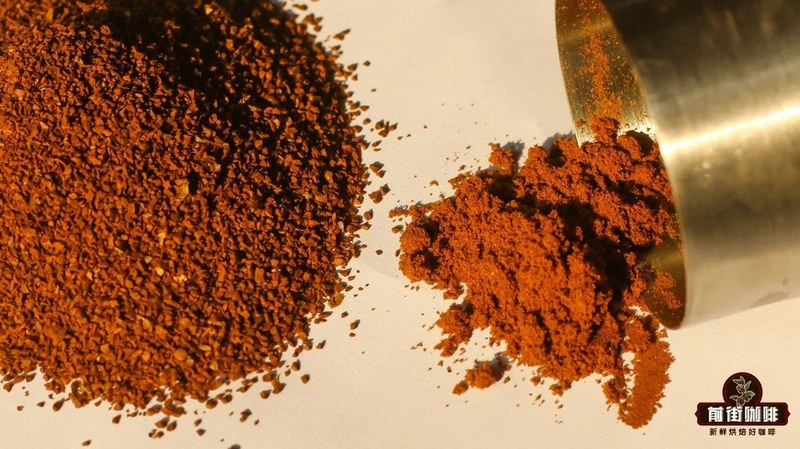
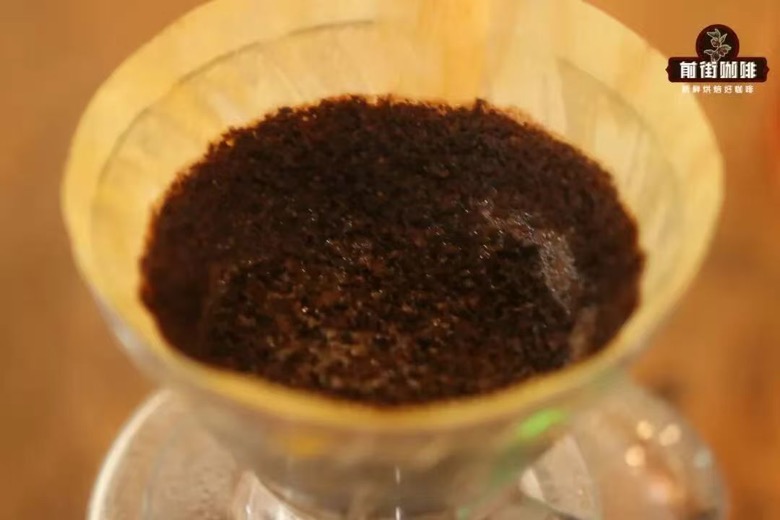
The moka pot, like an espresso machine, is a pressure device, but its pressure is only about 1.5 bar, far less powerful than a large espresso machine. So its grind should be much finer than pour-over, yet slightly coarser than espresso. The particle diameter is roughly between 0.3 and 0.55 mm, feeling at the fingertips similar to fine salt, with a slight sandy graininess, but it will never rub together into a ball like fine flour.
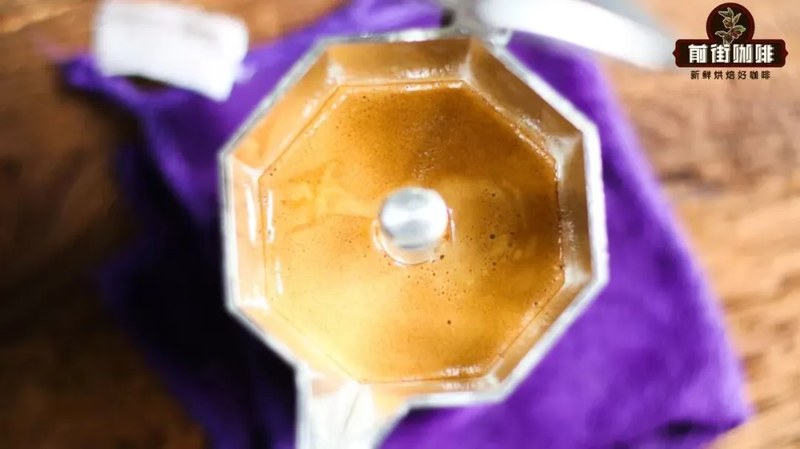
During everyday brewing, the way the coffee liquid rises is a direct mirror of grind size. If the coffee liquid spurts out violently shortly after heating begins, the grind is too coarse, the resistance of the coffee bed is too low, causing under-extraction, and it tastes weak. If you hear a humming sound from the base of the pot but no coffee liquid emerges for a long time, the coffee is ground too fine and is blocking the water flow, so you need to grind coarser to avoid the scorched bitterness and dryness caused by over-extraction.
Here is a set of everyday moka pot operating parameters that are very easy to handle. Pour 120 ml of warm water into the lower chamber, and remember to keep the water level below the safety pressure relief valve. Fill the filter basket evenly with coffee grounds, gently level them off without pressing hard, screw the top and bottom chambers together tightly, then place on the stove and heat over medium-low heat. Under normal conditions, the coffee liquid will emerge gently between 1 minute 15 seconds and 2 minutes 30 seconds, with dense crema and an inviting aroma.
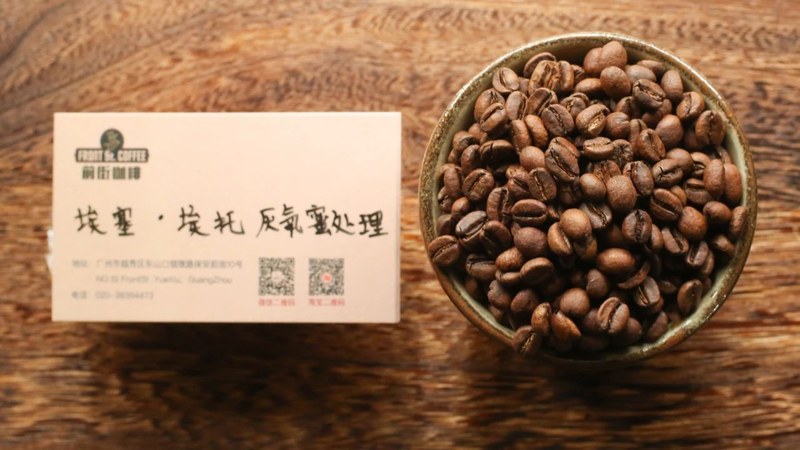
Once you understand grinding and extraction, when choosing beans you need to consider whether you like to drink it strong or light. Medium-dark roasted beans have a loose internal structure, and their soluble flavors are released very easily, making them suitable for a rich, solid base. For example, Qianjie Classic Blend and Qianjie Dark Cocoa Blend have full nutty, dark chocolate and caramel flavors; to avoid releasing excess miscellaneous bitterness, the grind can be slightly coarser than fine salt by half a notch.
If you prefer a crisp floral and fruity sweetness and acidity, and want to make a vivid, bright americano, light-medium roasted beans are very suitable. Beans like Qianjie Strawberry Candy Espresso Blend or Qianjie Huakui SOE have a harder texture and lifted tropical fruit and rose floral notes. When brewing them, the grind can be strictly kept at fine salt coarseness to encourage the fruit acidity and sweetness to be fully released, and the resulting coffee is especially clean, sweet and refreshing.
If in daily drinking you find the same bag of beans comes out a bit too strong or heavy, there is no need to rush to reject it; simply adjust the grind setting slightly coarser to lower the extraction yield, or after extraction add a small amount of warm water to dilute the strength, and the mouthfeel immediately becomes smooth and light. If you find the astringency in the finish too heavy, you can also remove the heat source early when the coffee liquid turns pale and yellow, keeping only the pleasant essence of the front and middle sections.
The fun of mastering the moka pot lies precisely in releasing the wonderful flavors hidden deep within each coffee just right through a little grind adjustment. As long as you understand the rules of strength and extraction, and in daily use pay attention to the lower chamber water volume and avoid the valve, you can also, at home, watch over that small warm flame and slowly brew a cup of heartwarming good coffee with a moderate temperature and rounded, relaxed flavors.
Related Reading




Comments (0)
Loading comments...
You May Be Interested


Trending Reviews
Popular Videos

With you, wherever you are! We provide useful features to help you find new things you'll love






