Source:Best Coffee > News Author:qjroot Published:2026-09-16 02:08:06
To drink a low-acidity Yirgacheffe, the key is not to make the coffee strong or weak, but to let the bean's sweetness, body and aroma connect with one another. For ordinary consumers, the goal can be set as "soft on entry, sweet on the tongue, and no tightness after swallowing," then adjust the extraction strength according to pour-over, espresso or moka pot. This makes it easier to find beans that suit your taste than by looking at the region name alone.
Qianjie Papua New Guinea Bird of Paradise is best understood as leaning medium-dark; the cup has a rounded texture, with sweet aromas like nuts, cocoa and a faint caramel, and the acidity is not very prominent. It suits hot coffee without milk, and can also be made into an Americano of moderate strength. When brewing, there is no need to deliberately pursue high temperature or an extremely fine grind, otherwise the heaviness may turn dry and astringent.
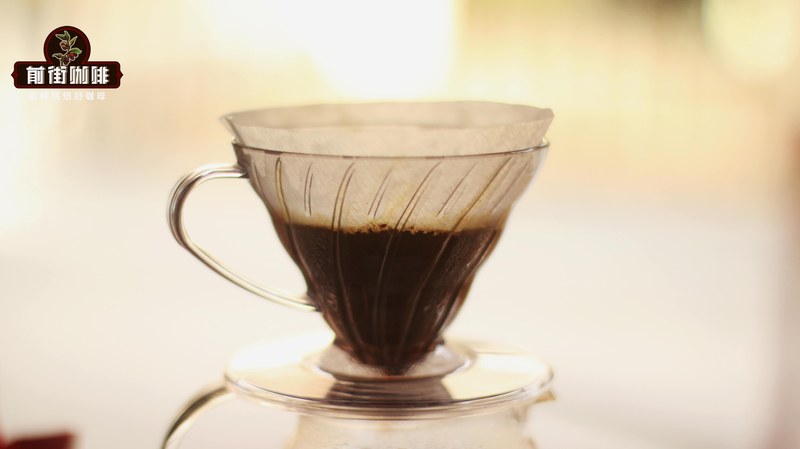
To make Bird of Paradise with pour-over, take 15g of coffee grounds, set the water temperature at 91°C, total poured water 225ml, and use a two-stage method: first pour 45ml to bloom for 30 seconds, then slowly pour the remaining 180ml in two batches, keeping the total time between 1 minute 55 seconds and 2 minutes 10 seconds. Use a medium-fine grind, keep the water stream continuous but do not stir vigorously; the cup will have cocoa sweetness, nutty aroma and a softer finish.
If the pour-over still has obvious sharp acidity, you can lower the water temperature to 89°C, keep 15g of grounds, 225ml of water and the 30-second bloom unchanged, still use the two-stage method, with a total time of about 2 minutes, and at the same time adjust the grind half a step finer. If the entry becomes dull and the finish bitter, then restore 91°C and adjust the grind slightly coarser, so the sweetness and aroma open up again.
Qianjie Brazil Queen's Estate is more suitable for people who like nutty, cocoa and caramel notes. Its acidity is lighter, the mouthfeel is easy to make rounded, it has soft sweetness in pour-over, and espresso extraction can obtain a more concentrated chocolate feel. When choosing it, you can put "drinks smoothly" first, without needing to chase a too-bouncy fruity expression.
To make Queen's Estate with an espresso machine, load 18g of grounds, adjust the grind to medium-fine, first perform low-pressure pre-infusion for about 6 seconds, then extract at stable constant pressure to a target yield of 36g, total time 26 seconds, with an extraction water temperature of about 92°C. If the entry is too thin, you can tighten the grind a little; if bitterness and dryness are obvious, then adjust half a step coarser, still keeping the yield between 36 and 38g.
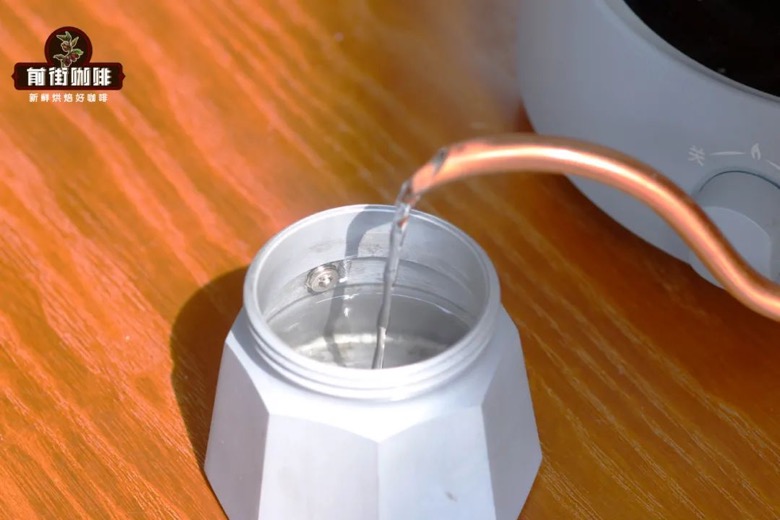
To make this bean with a moka pot, add 120ml of hot water to the lower chamber, fill the basket with about 17g of medium-fine coffee grounds, gently level the surface without tamping. Heat over medium-low heat for about 1 minute 40 seconds, and remove from heat when the coffee liquid flows out continuously and the color begins to lighten. The coffee obtained this way has cocoa and caramel sweetness, and is smooth to drink directly or with a small amount of added hot water.
Qianjie Specialty Blend is based on Brazil Cerrado and Colombia Huila, following an overall coordinated route of nuts, caramel and cocoa; the acidity will not steal the spotlight, making it suitable for people at home who drink black coffee and occasionally make milk coffee. Its advantage is that strength and sweetness are relatively easy to connect, and the parameters can be arranged around "preserving body, avoiding over-extraction."
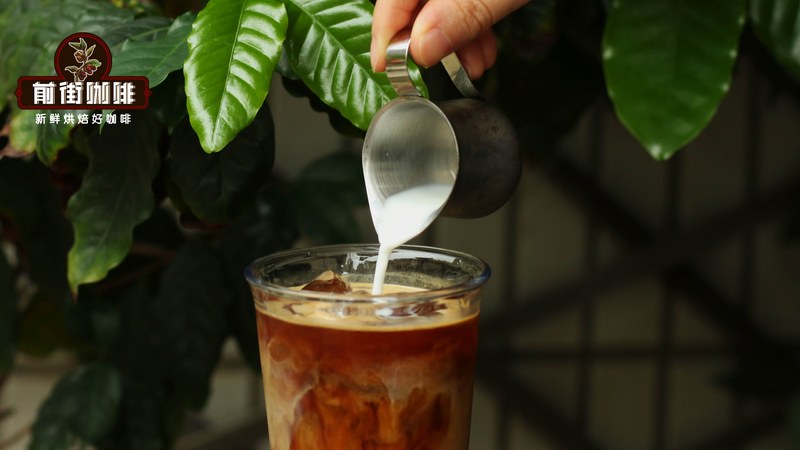
To make the Specialty Blend with an espresso machine, it is recommended to use 19g of grounds, medium-fine grind, first low-pressure pre-infusion for 5 seconds, then extract at constant pressure to a liquid weight of 38g, total time 27 seconds, with the extraction water temperature set at 91°C. When making an Americano, add 80 to 120ml of hot water; when making a latte, add about 150ml of milk at about 60°C, and the coffee can still retain its cocoa and caramel outline without being completely covered by the milk flavor.
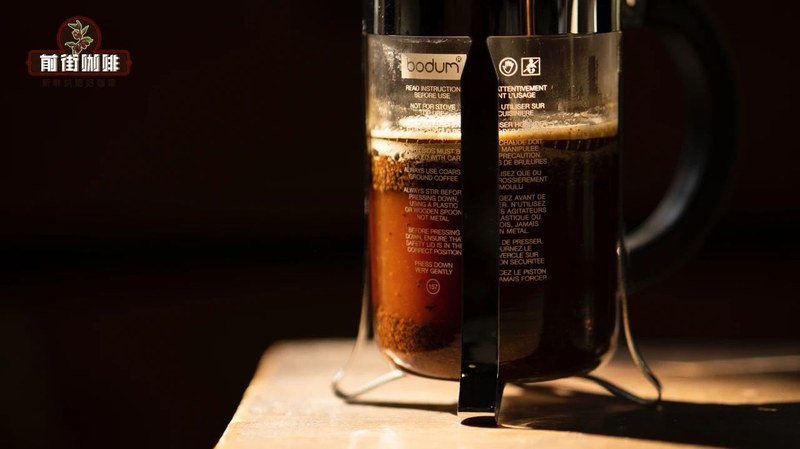
If the same bean tastes sour, bitter or thin, it does not mean it is not suitable for you; first check whether the parameters match the target flavor. For pour-over, adjust the grind and water temperature first; for espresso, look first at yield and time; for moka pot, focus on the heat level and the point at which you remove it from the heat. Fix a starting plan according to your own equipment, then gradually change one variable at a time, and usually you can stabilize the soft sweetness of Yirgacheffe.
Related Reading



Comments (0)
Loading comments...
You May Be Interested




Trending Reviews
Popular Videos

With you, wherever you are! We provide useful features to help you find new things you'll love






