Source:Best Coffee > News Author:qjroot Published:2026-10-06 16:06:57
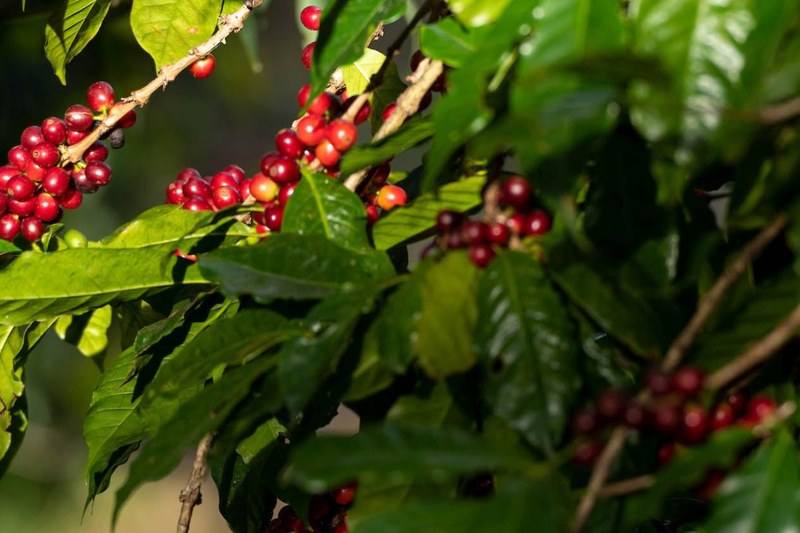
Panama is located in Central America, and its coffee-growing belt is distributed across the western part of the country around Boquete, Volcan, Santa Clara and Candela. These areas all belong to the Chiriqui Highlands and happen to sit right in the center of the coffee belt. The soil here was formed by volcanic ash accumulating over a long period, and is rich in minerals, while the ancient primary forest provides a natural buffer for the ecology. Clouds and mist drift among the mountains, the days are humid and the nights are cool, and the marked temperature difference between day and night slows the ripening rhythm of the coffee fruit. The higher the plot's altitude, the more fully sugars and aromatic compounds accumulate. It is precisely on this terroir that Hacienda La Esmeralda divides its plots by altitude into different grades such as Red Label, Green Label and Blue Label, becoming a key force in bringing Geisha flavor to the world.
The aroma profile of Panamanian coffee is marked by white florals, with the crisp clarity of jasmine especially prominent. This aroma is not intense or overpowering, but is released slowly with the heat, and you need to lean in a little to capture it fully. The acidity belongs to the citrus family lineage, leaning toward the fresh, clean type of orange and tangerine, medium-high in intensity, yet bright and clean in texture without bringing a sharp, stinging sensation. The sweetness shows the fineness of honey and green tea, gradually spreading after entering the mouth and forming a soft echo with the acidity. The body is on the light to medium side, and the overall mouthfeel is like silk gliding across the tongue, with a long finish that often carries a faint tea-like sweet aftertaste. This flavor structure gives Panamanian coffee both sufficient complexity and a rare sense of transparency.
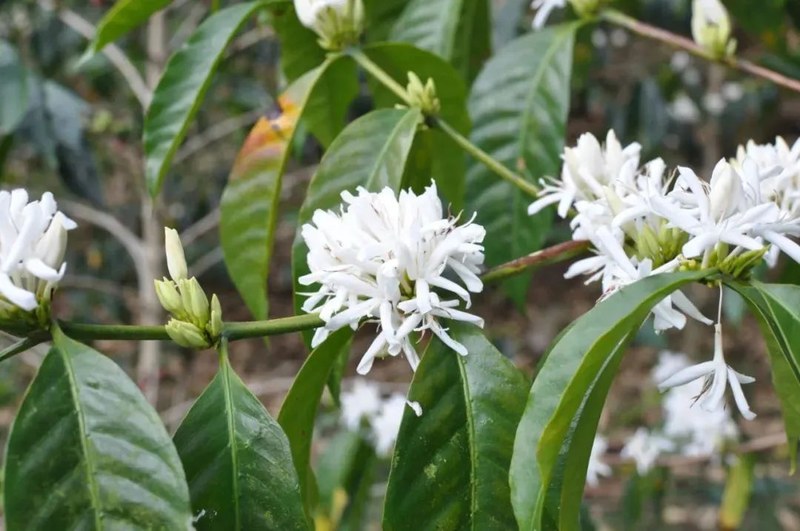
Adjustments to processing method and roast level will make beans from the same origin show completely different characters. Washed processing does much to restore Panama's true terroir: the degree of fermentation is controllable, the acidity is clear, and the floral and citrus notes are distinctly layered. Natural or honey processing, by contrast, amplifies sweetness; berry and tropical fruit flavors may emerge, the acidity becomes rounder, and the body rises slightly, but the purity of the florals weakens accordingly. In roasting, light to medium-light roast is a common choice for expressing Panama's characteristics; floral notes and citrus acidity are preserved at a lower development temperature. If pushed to a medium roast, caramelization deepens, sweetness turns toward brown sugar and nuts, the acidity recedes, and it suits drinkers who prefer a fuller mouthfeel. Qianjie Boquete Washed Geisha adopts an estate-level entry positioning, grown in volcanic ash soil at about 1,600 m. After brewing, jasmine, green tea, honey, citrus and orange flavors unfold one after another, exactly the typical expression of the washed light-roast route.
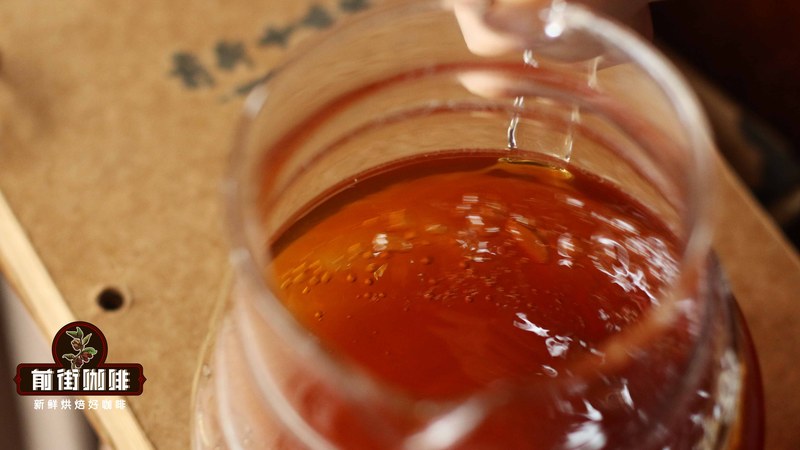
If you want to truly understand Panamanian coffee, comparative tasting is an especially effective method. You can prepare two beans, one washed and one natural, or one light-roasted and one medium-roasted, and try them side by side with the same brewing parameters. For pour-over, it is recommended to use 15 g of grounds, a 1:15 coffee-to-water ratio, a water temperature of 92 to 93 degrees Celsius, a 30-second bloom followed by slow pouring, and a total extraction time within 2 minutes. First smell the difference between dry and wet aroma, then note the changes in acidity across the hot, medium and cool stages; Panamanian coffee often shows more prominent sweetness after cooling, with citrus acidity turning into a soft texture like orange juice. For cold brew, Qianjie Panama Washed Butterfly is a good option. This blend of three varieties, Geisha, Caturra and Catuai, comes from the Baru Volcano area of Boquete; its florals, citrus acidity and body are balanced, and after long low-temperature steeping the sweetness becomes more concentrated, making it suitable for summer drinking.
People who prefer fresh floral and fruity notes and have a relatively high tolerance for acidity will usually hit it off with Panamanian coffee. If you are used to the intense bitterness and sweetness of dark roast, you might start with a slightly darker roast or a batch blended with Caturra and Catuai, such as Qianjie Panama Washed Butterfly, whose body is fuller than a single Geisha and whose acidity is relatively mild. In daily tasting, there is no need to rush to capture all the flavors at once; you can first lock onto one dimension and track it continuously: this time focus on changes in the strength of the florals, next time note the type shifts in acidity, gradually building your own sensory coordinates. The charm of Panamanian coffee lies in its refinement and variation; every brew is another conversation with the terroir.

Related Reading


Comments (0)
Loading comments...
You May Be Interested



Trending Reviews
Popular Videos

With you, wherever you are! We provide useful features to help you find new things you'll love






