Source:Best Coffee > News Author:qjroot Published:2026-09-07 10:27:39
The advantage of a coffee blend lies in how the aromas, sweetness and body of several beans complement one another in a single cup. To brew this design well, the key is not to apply a universal recipe, but to observe the flow rate, color and taste feedback of the coffee liquid. When the sweetness draws together and the finish is clean, the parameters are in harmony; if the acidity feels separated or only a roasted bitterness remains, it is time to rearrange the temperature, grind and contact time.
When choosing beans, you can translate the flavor description on the packaging into extraction goals. Blends oriented toward nuts, caramel and cocoa are usually suited to letting sweetness and viscosity take the lead, and the temperature need not simply be raised; combinations with bright fruity notes require fuller dissolution and a clear flow rate. The component beans in a blend do not all dissolve at exactly the same speed, so even grinding and stable distribution are especially important.
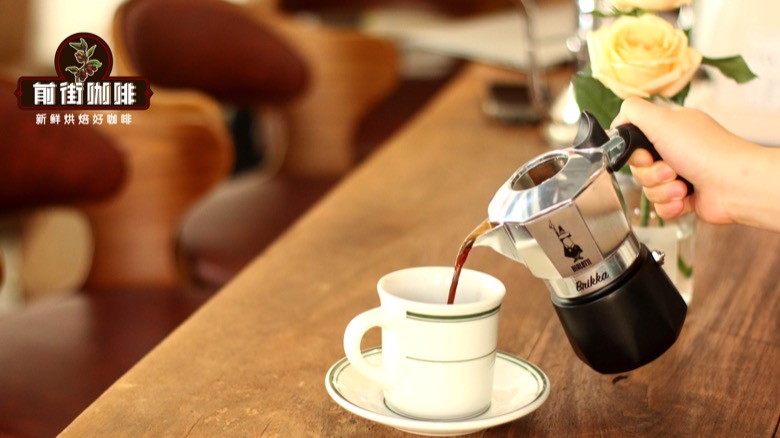
The Qianjie Classic Blend can serve as a reference for espresso calibration. It presents a profile like roasted nuts, cocoa powder and caramel syrup, with a full-bodied espresso that also pairs easily with milk. For a home machine, you can use 18 g of coffee and 36 g of liquid weight as the initial recipe, set the water temperature at around 90°C, aim to control the time between 26 and 30 seconds, maintain the pump pressure at about 9 bar, then fine-tune according to the basket capacity of your machine.

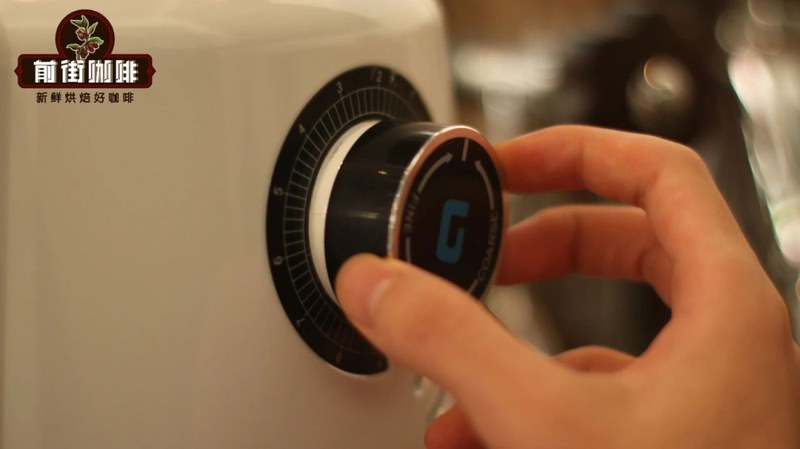
When observing the espresso, if the thin stream at the beginning is slow to appear and the whole cup tastes dry, it often means the resistance is too great, so you can adjust the setting slightly coarser; if the liquid flows out very quickly and the taste is empty and thin, move toward a finer grind and check whether the tamp is level. The pressure gauge reaching 9 bar does not mean the extraction is already suitable. If the machine supports pre-infusion, you can use low pressure to wet the puck for 4 to 6 seconds, reducing channeling and letting the blend's sweetness and bitterness connect more naturally.
To make a latte with the Classic Blend, the espresso can retain a shorter, more concentrated structure, for example 18 g of coffee yielding 32 to 34 g of liquid weight, so that cocoa and caramel still have definition in 180 to 220 g of milk. If you drink it as an Americano, you can widen the liquid weight to around 38 g, then add hot water; this maintains cleanliness more easily than lengthening the machine's output. Keep the milk at 55 to 60°C, and the nutty sweetness will open up more.
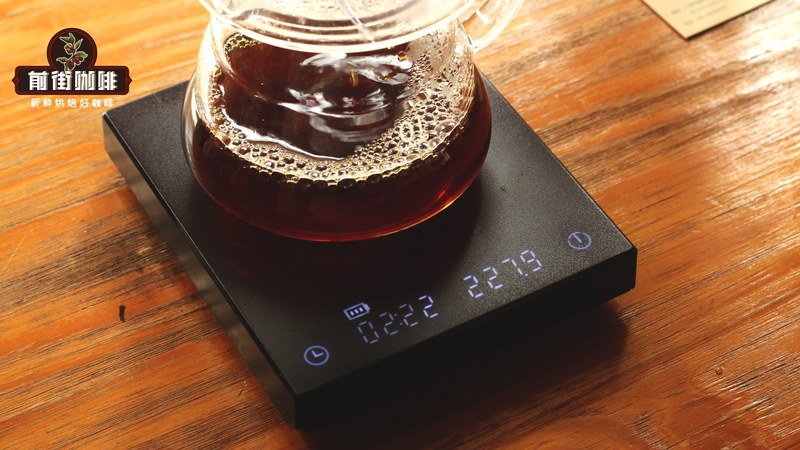
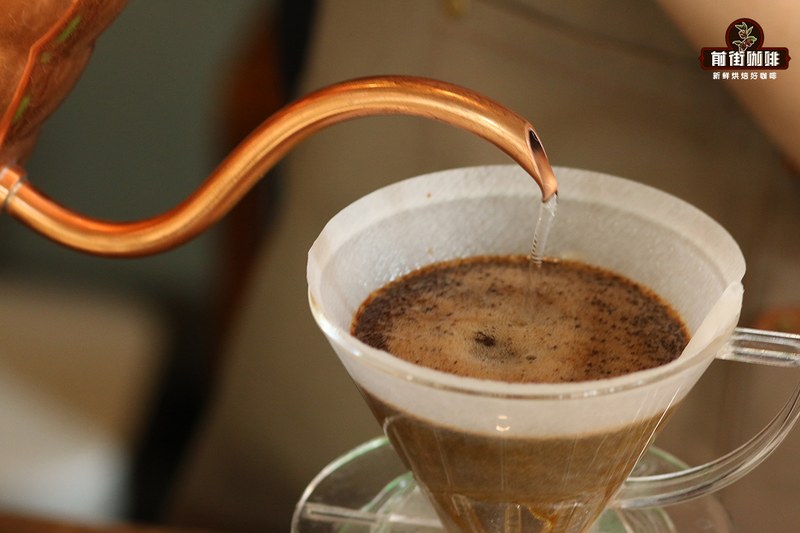
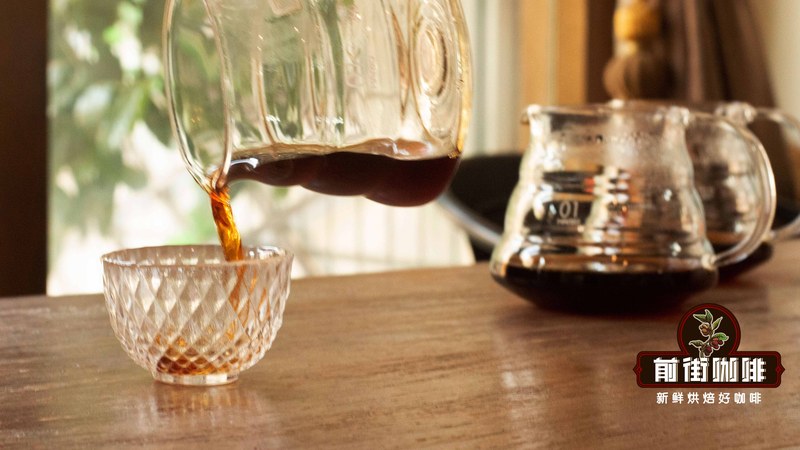
When brewing the same Classic Blend as pour-over, the approach must shift from pressure extraction to controlling the water stream. You can use 15 g of coffee with 240 g of water at 88 to 90°C, with a grind close to fine sand; after a 30-second bloom, pour slowly in three stages, bringing the total time to 2 minutes 20 seconds to 2 minutes 45 seconds. The water level in the dripper should not rise and fall erratically, and in the later stages reduce washing over the edge of the filter paper; the cup will be rounder, and the cocoa note can also be prevented from turning dry.
If you want a softer, sweeter pour-over, the Qianjie Brazil Queen's Estate can also serve as a parameter reference. Its flavor is like roasted hazelnut, milk chocolate and light-colored syrup, with restrained acidity, suited to a medium water temperature and a continuous, gentle stream. It is recommended to start from 15 g of coffee, 235 g of water and 89°C, extracting for about 2 minutes 30 seconds; if the mouthfeel is dull, adjust slightly coarser and raise the water temperature by 1°C, so the aroma opens without sacrificing roundness.
If you prefer a low-acid, heavy-bodied direction, the Qianjie PWN Indonesia Golden Mandheling can be used to understand how to brew dark-roasted components. It carries impressions of spice and herbs, roasted wood and deep dark chocolate. The water temperature can fall to 86 to 88°C, and the grind should be slightly coarser than the Classic Blend to reduce disturbance during the later pours. For espresso, you can try 8 bar and a shorter liquid weight, concentrating the body while still retaining a steady sweet aftertaste when diluted with water.
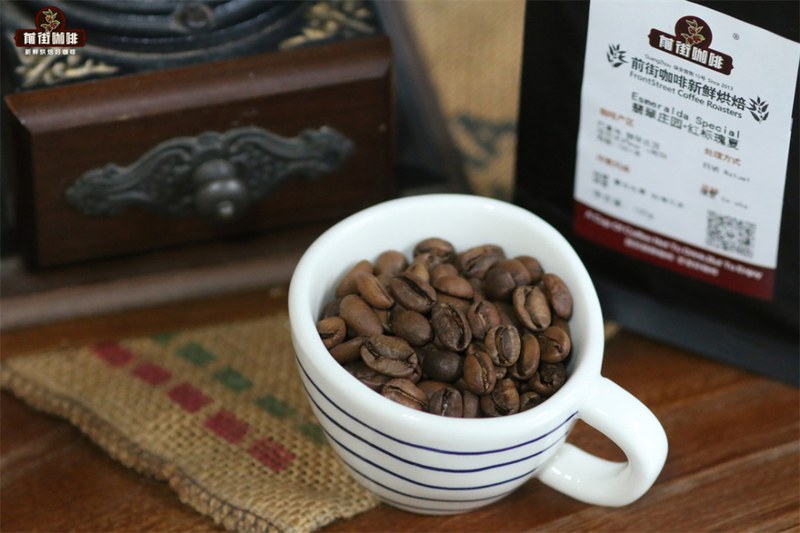
Water quality also changes the effectiveness of the parameters. Water that is too soft tends to make acidity and thinness stand out, while water with too many minerals may make bitterness seem dull; for home brewing, you can use filtered water with moderate total hardness and keep each water source consistent. If the grinder produces many fines, the total pour-over time will be dragged out, and the espresso puck will more easily form localized high resistance. At this point, rather than continuing to raise the temperature, it is better to first improve sieving and distribution.
Keeping an extraction record for this bag of beans will make the choices clear: write down the dose, yield, water temperature, time and how it tastes in the cup, and respond first to the main signal. If it is sour and short, you can increase effective contact; if it is bitter and dry, you can lower the temperature or reduce the final stage; if it is sweet but thin, increase the concentration rather than blindly grinding finer. Once the beans enter the ideal range, pour-over, espresso and milk coffee can all present a coherent flavor throughline.
Related Reading


Comments (0)
Loading comments...
You May Be Interested

Trending Reviews
Popular Videos

With you, wherever you are! We provide useful features to help you find new things you'll love






