Source:Best Coffee > News Author:qjroot Published:2024-11-05 18:46:13
Costa Rican coffee has long been known for quality coffee. Although total coffee production is not large, the country places great importance on growing high-quality Arabica coffee beans, believing that only by producing high-quality coffee can it gain a firm foothold in the international market.
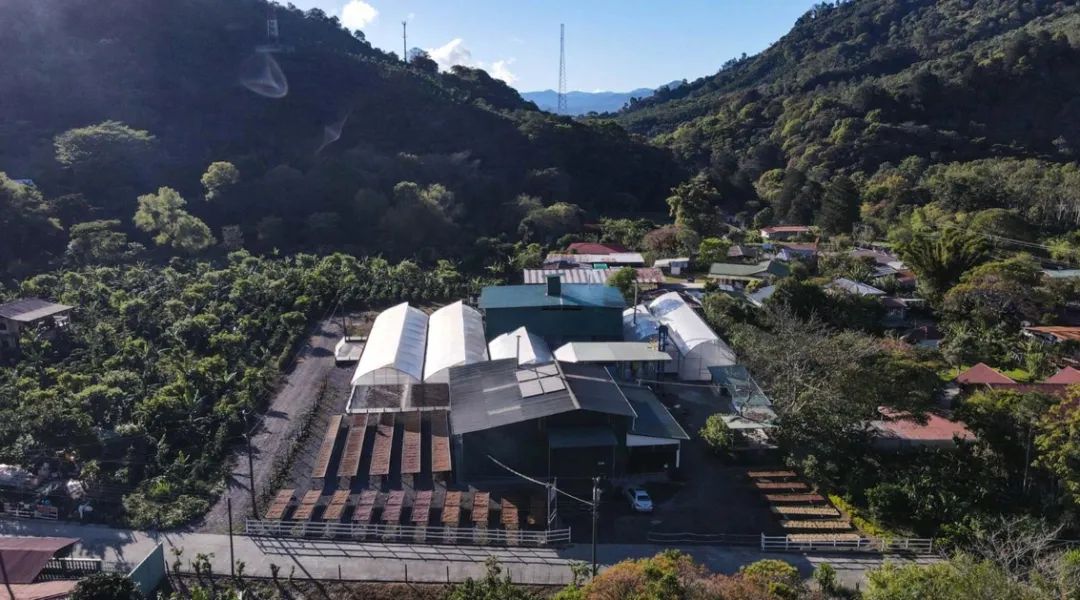
So in 1989, the Costa Rican government passed a law prohibiting the cultivation of low-quality coffee beans, making the country the only one in the world where producing any coffee variety other than Arabica is illegal.
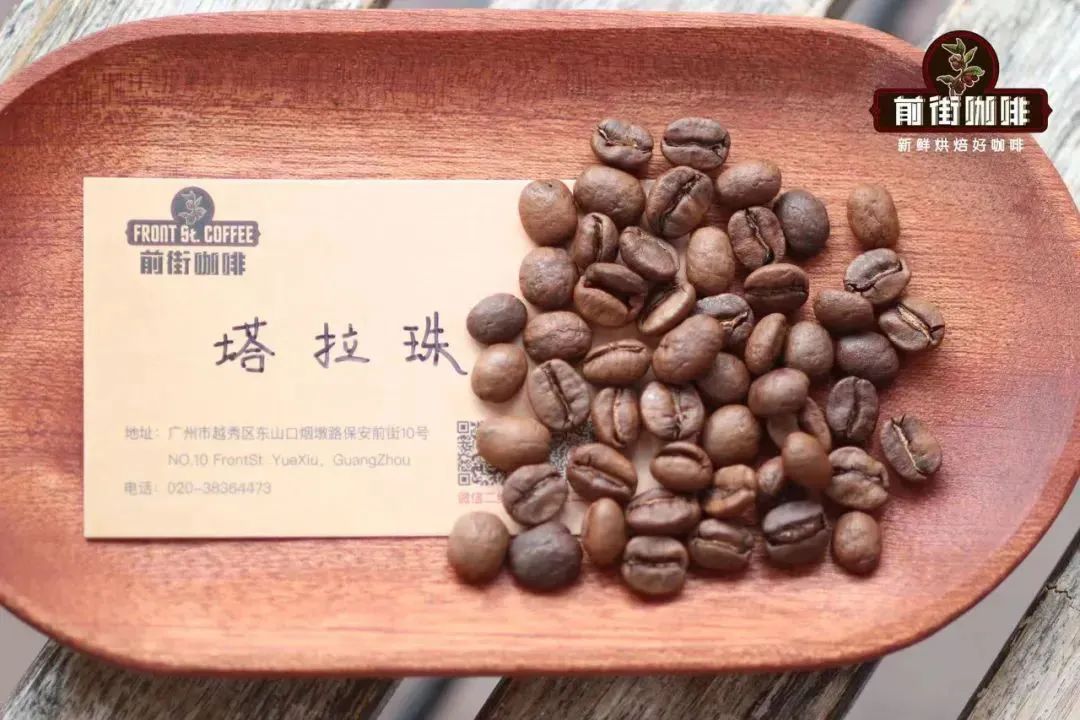
Originally, the coffee varieties grown in Costa Rica were mainly Caturra and Catuai. The Costa Rica Tarrazu coffee beans in FrontStreet Coffee's entry-level selection series are made from Caturra and Catuai varieties, using the washed process; after brewing they have a slight fruit acidity, with sweet orange, nut and honey flavors, and a smooth sweet finish.
Although in Costa Rica the Caturra and Catuai varieties have relatively high quality and yield, they are highly susceptible to coffee leaf rust. Costa Rica once suffered a coffee leaf rust outbreak that cut coffee production by at least half. Therefore, in recent years, through introduction and research and development, Costa Rica has begun to grow more different coffee varieties. Besides Caturra and Catuai, what coffee varieties does Costa Rica now grow?
Villa Sarchi
Villa Sarchi was first discovered in the 1950s in the town of Sarchi in the northwestern part of Alajuela Province, Costa Rica. Through genetic identification, the variety was found to be a natural mutation of Bourbon, relatively similar to Caturra, as both carry a single-gene mutation that causes the plant to be dwarf in overall stature with short intervals between fruits, resulting in higher yield. However, this variety also has poor disease resistance and is susceptible to leaf rust, nematodes and berry disease.
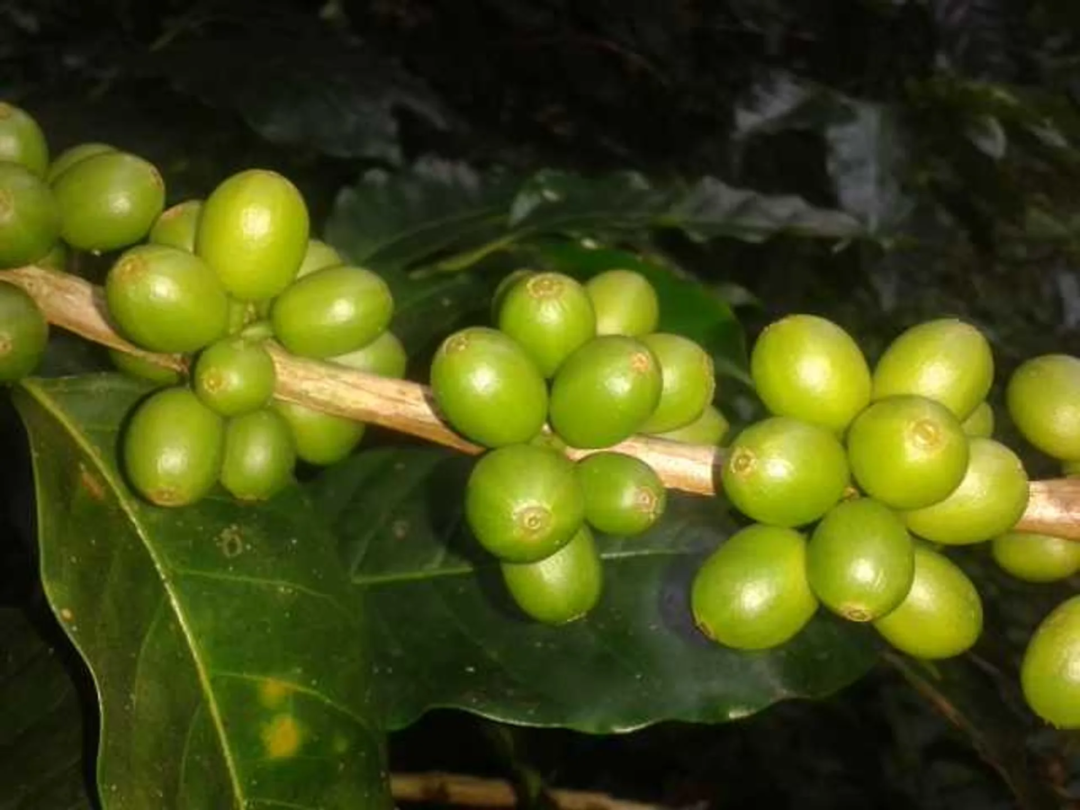
However, this variety adapts very well to high-altitude growing conditions, achieves good quality when grown at high altitude, and its fruit can withstand strong winds without dropping easily, making it highly suitable for cultivation in Costa Rica, given that 80% of the country's coffee-growing areas lie at elevations of 800-1600 m, with a flavor profile of relatively bright citrus acidity and complex fruit notes. At present, this variety has been introduced for cultivation in Honduras, but it is not widely planted in Costa Rica. In addition, this variety was also crossed with Timor to breed the important leaf-rust-resistant variety T5296 (Sarchimor).
CENTROAMERICANO-H1
This variety is abbreviated H1. It is a first-generation (F1) hybrid, bred by crossing T5296 (Sarchimor) with Rume Sudan (an ancient wild variety discovered in the Rume Valley of the Boma Plateau in Sudan). Because it carries the genes of the rust-resistant variety T5296, H1 has strong resistance to leaf rust, but is susceptible to pests such as nematodes.
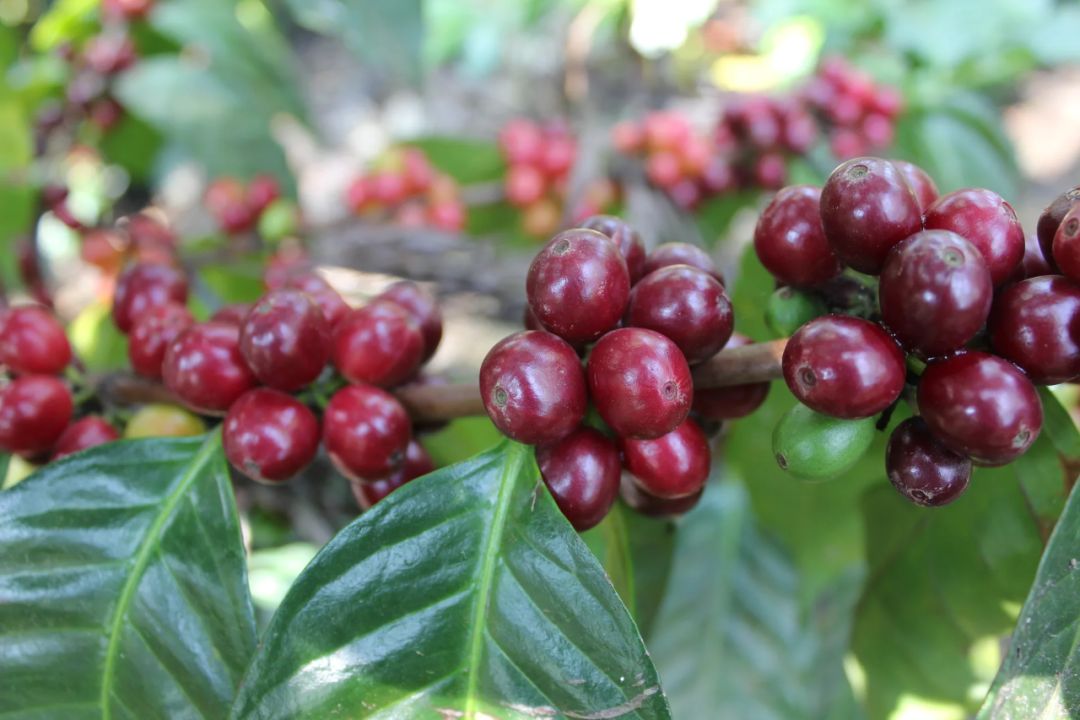
In addition, the H1 variety has a very high yield. In breeding evaluations, H1 coffee yields 22-47% more than other Central American varieties, and it is planted at high altitudes, with good quality when managed properly. Currently, F1 hybrids are relatively new in coffee agriculture. Over the past 15 years of cultivation, only a few coffee varieties (H1 being one of them) have become commercially available to farmers, and they are only offered for planting in certain countries and regions.
Obata
This variety originated in Brazil, from pedigree selection carried out by the Agronomic Institute of Campinas (IAC) in Brazil. It was released in 2000 and is a hybrid of Timor and Villa Sarchi. Thanks to its Timor lineage, it has strong resistance to coffee leaf rust and is suitable for planting at low to medium altitudes. In addition, like Villa Sarchi, it is a short plant with high yield. This variety was introduced to Costa Rica in 2014 by the Costa Rica Coffee Institute (ICAFE) and released for planting.
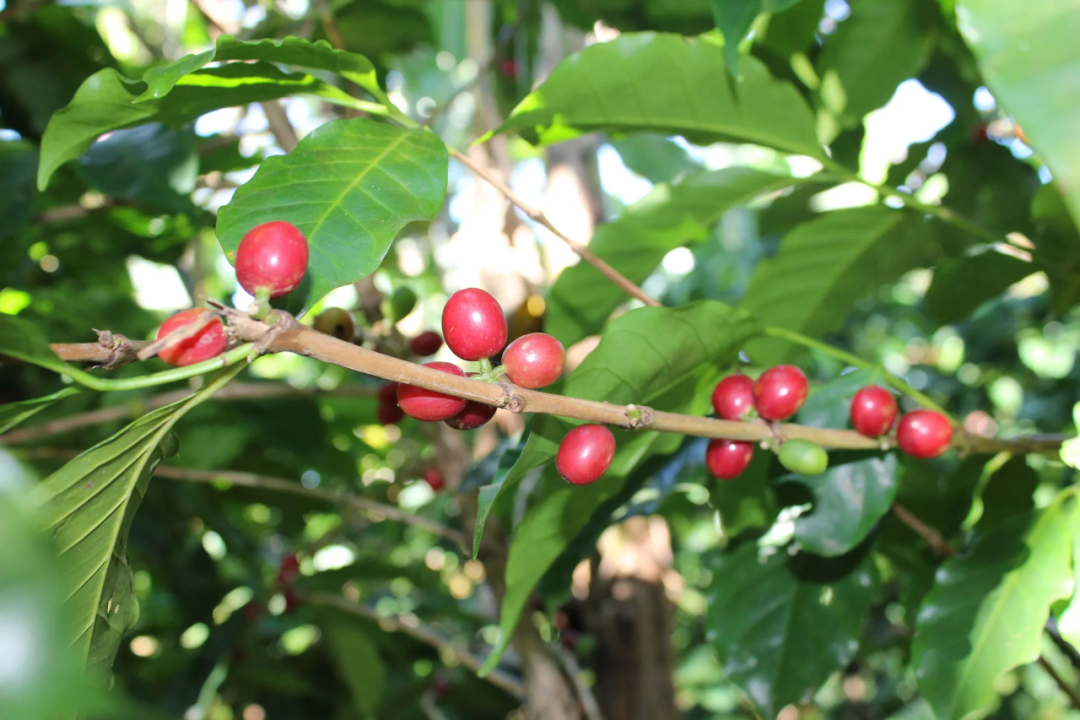
Currently, in addition to the varieties above, Costa Rica has also introduced and planted varieties such as Panama's GeishaGeisha, Kenya's SL28, and Ethiopia's native variety ET47.
To learn more about coffee origins, scan the QR code to follow: Kaping
Long-press the QR code to follow:

Related Reading




Comments (0)
Loading comments...
You May Be Interested



Trending Reviews
Popular Videos

With you, wherever you are! We provide useful features to help you find new things you'll love






