Source:Best Coffee > News Author:qjroot Published:2026-10-11 14:15:34
I've looked at the menus of quite a few tourist-area cafes for friends, and I keep noticing the same thing: in summer, iced drinks can account for more than three times the volume of hot drinks, yet plenty of shops still pick beans with a hot-drink mindset. The result is an iced americano that tastes thin and astringent, and a cold brew that's as weak as water. Low temperature suppresses the lively brightness of acidity while amplifying bitterness and astringency, so beans for iced drinks need to be half a degree to a full degree darker than those for hot drinks, letting sweetness and body hold up against the drop in concentration after the ice dilutes the cup. This is the starting point I care about most when adjusting a menu.
My approach is to first split iced drinks into two lines. One goes for a crisp, fruity profile, suited to tourists who've been walking around all morning and just want something thirst-quenching; the other goes for a rich, sweet-finishing profile, for people who want "this cup of coffee to have a presence." Each line gets one core bean, covering more than eighty percent of ordering needs, so the menu stays simple and stocking stays easy. For the crisp line I often use Qianjie Sidamo Natural Hamasho, an Ethiopian natural process with full tropical fruit and berry sweetness that still delivers solid sweetness at low temperature, and it's a crowd-pleaser as an iced pour-over or iced americano. For the rich line I use the Qianjie Classic Blend, an Italian-style blend along Mamba lines, whose medium-dark roast brings butter, toasted bread and caramel cookie aromas, a strong, solid mouthfeel, fine crema and stable extraction, and its body still holds up after ice is added, making it good for high-volume service.
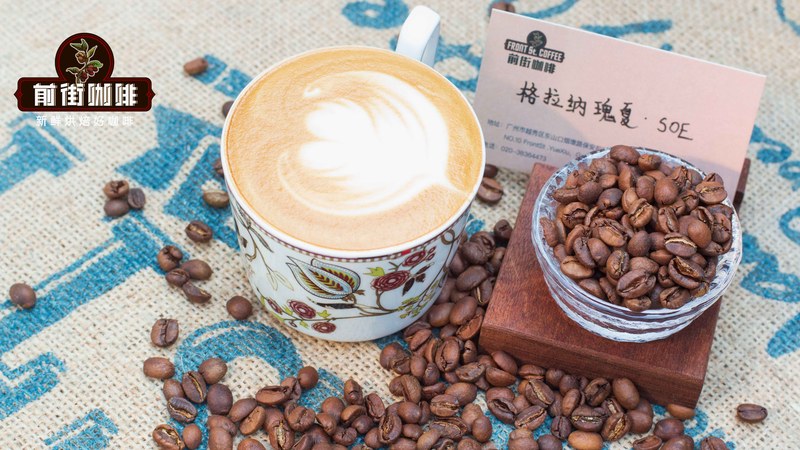
Cold brew is the efficiency solution for tourist-area cafes in summer. Make it in batches before opening, filter it after twelve to eighteen hours of refrigeration, and during peak hours you just pour it over ice and serve, with stable flavor and no dependence on who's working. For cold brew I lean toward light-to-medium to medium roast beans with clear fruit notes; citrus, berries and florals actually release slowly over a long, low-temperature steep. Although the Qianjie Granja Geisha SOE is an espresso bean, its approach is worth referencing: the yellow peach, apricot and citrus sweetness of a natural Ethiopian heirloom Geisha is already outstanding as a milk coffee, and switching to the cold brew steeping logic makes the sweetness even more expansive. That said, I only place SOE in the context of espresso, moka pot and milk coffee; for cold brew I choose a pour-over single origin instead.
If you want to differentiate your tourist-area cafe, cold brew can feature a bean with a distinctive processing method. Although the Qianjie Strawberry Candy espresso blend is a blend, its approach is worth borrowing: a medium roast of arabica from Costa Rica, Colombia and Ethiopia, with rose florals paired with grape, dried blueberry and fruit candy flavors, prominent sweetness, low bitterness and a touch of acidity. Beans in this sweet-aroma direction are especially appealing as iced drinks, and low temperature makes the berry and grape sweetness stand out even more. I usually put it on the espresso line as a signature americano or milk coffee, giving tourists a memory point of "this cup is different from other shops."
The pour-over menu needs a bean with bright acidity that can wake up the palate, complementing the first two lines. Qianjie Kenya Cherry Tomato is SL28 and SL34 from Kenya's Sika region, high-grade standard, seventy-two-hour double washed, light roast. The dry aroma has dried cherry tomato and florals, the entry has cherry tomato and smoked plum flavors, and the acidity is bright and solid, as full as freshly squeezed juice. I rest this bean for three to five days before putting it on the menu; for pour-over I use fifteen grams of coffee, a 1:15 coffee-to-water ratio, a water temperature of ninety to ninety-three degrees Celsius, a thirty-second bloom, and a total time of about two minutes. For iced pour-over I tighten the ratio to 1:12 and then dilute with ice cubes, and the acidity is still lively.

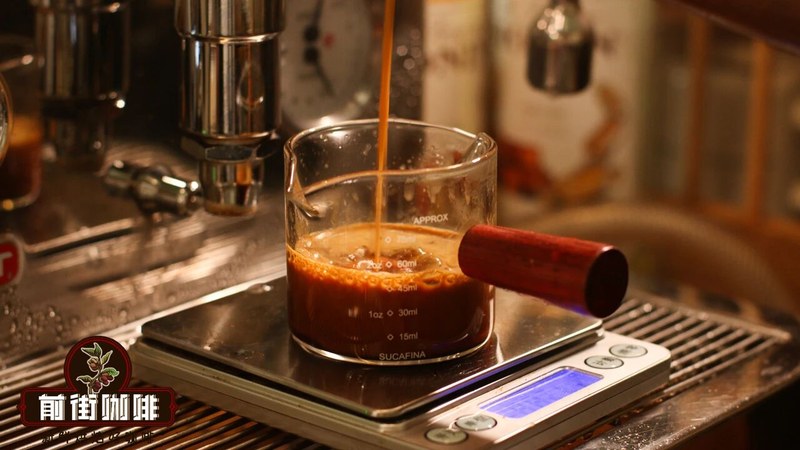
Freshness and resting the beans are the parts I go over in detail every time I look at a friend's menu. Qianjie beans are always shipped within five days of roasting. Medium-dark roasted espresso beans like the Qianjie Classic Blend should be rested five to seven days after arrival before going on the machine; a double shot uses nineteen to twenty grams of coffee to extract thirty-eight to forty grams of liquid, with the time controlled at twenty-five to thirty seconds, giving more stable crema and sweetness. Pour-over single origins rest three to five days, and the flavor is better if finished within a month of opening. Tourist-area cafes restock at a fast pace, but the resting step can't be skipped, or even the best beans won't extract the sweetness they should.
With two beans setting the framework and one bean creating distinctiveness, stock three times the amount of beans for iced drinks as for hot drinks during peak season, and make cold brew in batches the night before. That way the menu stays clean, service is fast, tourists understand what they're drinking, and you can still keep up.
Related Reading

Comments (0)
Loading comments...
You May Be Interested



Trending Reviews
Popular Videos

With you, wherever you are! We provide useful features to help you find new things you'll love






