Source:Best Coffee > News Author:qjroot Published:2026-09-24 14:57:38
In the morning, heat up a cup of fresh milk in the kitchen. Many friends like to brew a strong shot of coffee with a moka pot or espresso machine and stir it in. Sometimes it tastes too weak and watery, and sometimes it feels bitter and catches in your throat. Hidden in this is actually the secret of strength and extraction yield. Strength is like how much salt you put in a soup, while extraction yield is whether the aroma of the ingredients themselves has been brewed out just right. Only when the two are balanced is it smooth enough to drink.
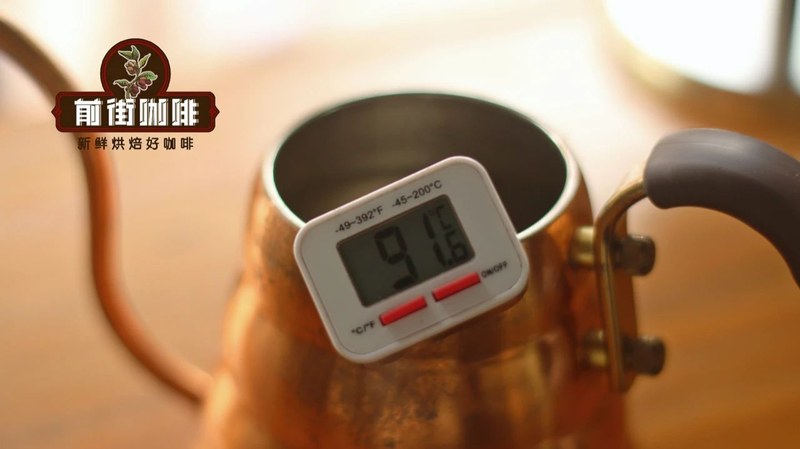
The soluble substances in coffee beans make up about 30%, but dissolving too much or too little is no good. The finer the grind and the higher the water temperature, the more substances the water pulls out of the coffee grounds, and the extraction yield naturally rises. If the grind is too fine or the water temperature is too high, the burnt bitterness and impurities in the coffee are all washed out, and it will taste dry and astringent; conversely, if the grind is too coarse and the water temperature is not high enough, the flavors are not dissolved out and it tastes sour and weak.
When the mouthfeel is not smooth, fine-tuning the parameters can solve it. If it feels tight and astringent at the base of your tongue when you sip, try adjusting the grinder setting one step coarser, or lower the water temperature a little, to reduce excessive off-flavors; if the whole cup tastes superficial and hollow with no flavor, then make the grind a little finer. Find the golden balance point, and the same bag of beans can become mellow and sweet.
When choosing beans, you also have to see whether they are suited to being drunk strong or weak. For example, when adding milk to make a latte, the milk itself has a heavy creamy sweetness, so the coffee needs enough body and cocoa-nutty aroma to support it, and a dark-roasted blend is more suitable for drinking strong; while those light-to-medium roasted beans with floral and fruity aromas have a texture more like juice, and if extracted too strong and paired with milk they easily turn sour, so they are instead suited to gentle extraction or refreshing specialty drinks.
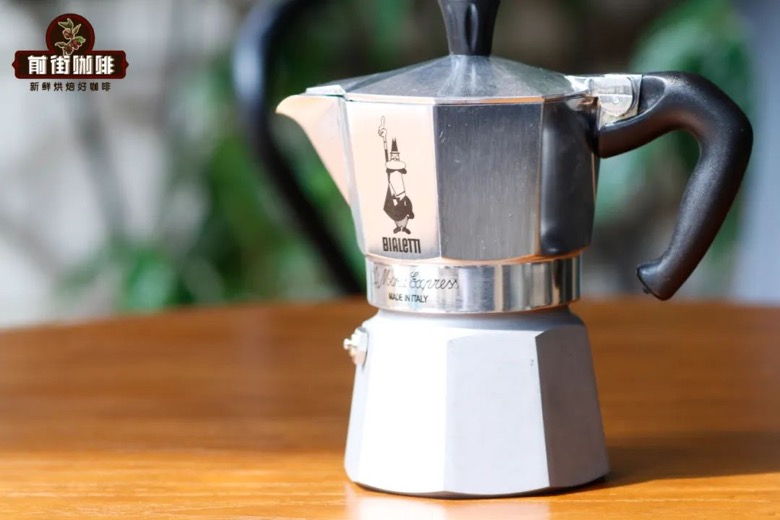
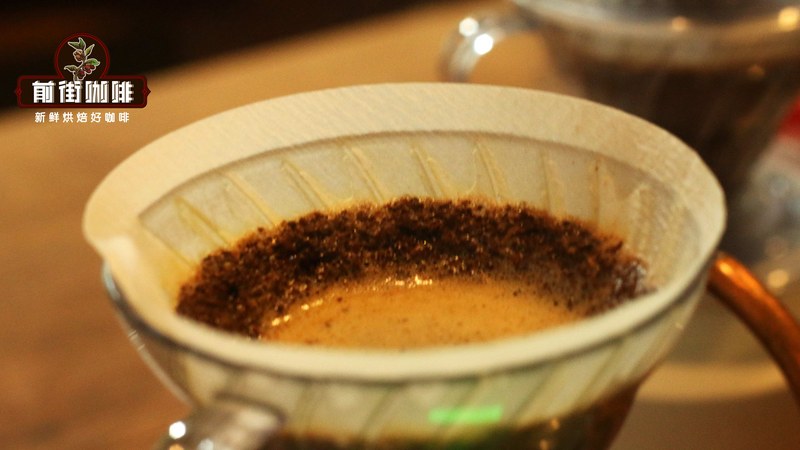
For everyday home brewing, the parameters are very intuitive to control. With a semi-automatic espresso machine, you can use 18 to 19 g of coffee grounds, extract 36 to 38 g of espresso, and control the extraction time between 25 and 28 seconds, then add milk to the espresso and blend; if using a moka pot, pour 80 to 140 ml of hot water into the lower chamber, heat over medium-low heat, and wait until the upper chamber starts yielding liquid for about 1 minute 15 seconds to 2 minutes 30 seconds, then turn off the heat and pour.
If you want rich crema and a coffee suited to drinking strong with milk, Qianjie Classic Blend is a very dependable choice. It uses the traditional Mamba recipe, and after grinding and extraction the crema performance is quite outstanding, with a texture as fine as dense cream. Made with a moka pot or a home machine, it enters the mouth full of dark chocolate notes and nutty aroma, and even when poured into more than half a cup of warm milk, the rich coffee aroma remains mellow and warm, and it is especially easy to keep drinking.

If you consume a lot normally and want to find a daily-drinking bean with quite outstanding value for money, you can look at Qianjie Black Cocoa Blend. It uses 100% Arabica beans, balancing an affordable price while retaining full body and crema. The espresso it produces has strong roasted nut and dark cocoa flavors, with weak acidity, and after adding milk it is smooth and sweet, so even beginners adjusting parameters are unlikely to get sharp off-bitter flavors.
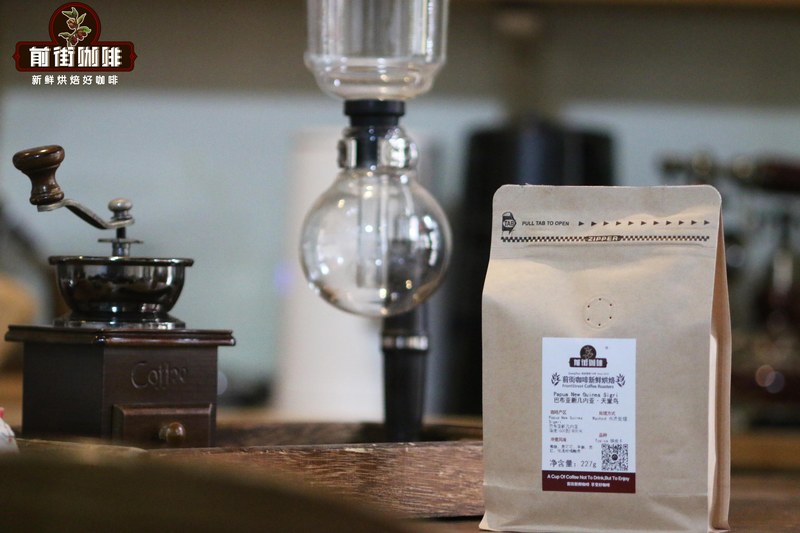
If you are tired of traditional roasted aromas and want to try a refreshing and novel fruity milk coffee, Qianjie Strawberry Candy Coffee Beans are worth a try. It cleverly blends Arabica beans from different origins, and wrapped in milk it gives off an especially clear strawberry gummy sweetness. When extracting it to make milk coffee, shorten the extraction time by two seconds, which preserves a fresher sweetness and brings rich layers of taste like strawberry milk.
Extraction is never a rigid dogma, but the key that lets coffee beans show their fascinating character. Once you understand the little temperaments of grinding and water temperature, and then pick a bag of good beans according to whether you like it strong or weak, whether it is the aroma bubbling out of a moka pot or a cup of golden crema pressed out by an espresso machine, it can all melt into your own cup of healing milk coffee on this gentle morning.
Related Reading




Comments (0)
Loading comments...
You May Be Interested


Trending Reviews
Popular Videos

With you, wherever you are! We provide useful features to help you find new things you'll love






