Source:Best Coffee > News Author:qjroot Published:2026-08-30 19:25:45
Fully automatic coffee machines are suited to beans with concentrated flavor and a relatively wide extraction window. The machine automatically handles grinding, distribution, pressurization and dispensing, offering great convenience, but its adjustable range is usually smaller than that of semi-automatic equipment. If the beans themselves are too bright in acidity or too hard in texture, the machine may not fully bring out the details; beans with nutty, cocoa, caramel and soft dried-fruit notes are often easier to turn into a smooth, easy-drinking cup.
First, look at the machine's grinder. Most household fully automatic machines use conical or flat burrs, with settings ranging from a few to over a dozen levels, and grinding speed and uniformity vary. Beans should not be chosen too light, otherwise finer grinding is needed to release sweetness, and the machine may easily end up with slow dispensing or prominent acidity. Medium to medium-dark roasts usually pair better with the grinding capability of household machines.
Next, observe whether the bean surface is dry. Dark-roasted beans with obvious oil may, over long storage in the bean hopper, stick to the burrs, channels and grounds container, affecting the smoothness of bean feeding and making cleaning more frequent. Beans suitable for fully automatic machines can have the body brought by dark roasting, but the surface should not continuously seep oil. When buying, choose small packages, which both helps preserve aroma and makes it easier to switch flavors.
Water temperature is a commonly overlooked parameter in fully automatic machines. Some machines offer low, medium and high settings, while others set it automatically according to the program. If you prefer nutty, cocoa flavors, you can use medium-high temperature to obtain fuller sweetness and body; if the beans have more obvious fruity acidity, start with medium temperature to make the aroma in the cup softer. Higher temperature does not mean stronger; overheating may push bitterness and woody notes to the front.
The dispensed volume also changes the character of a bean. An espresso program usually gives less liquid, concentrating the flavor; an Americano program adds more hot water, spreading out both the sweet-sour and bitter notes. It is recommended to first use the machine's standard espresso setting to observe the beans, then compare by increasing or decreasing the liquid by a few grams each time. With less liquid, the mouthfeel is fuller; with more liquid, it is better suited to breakfast pairings and long drinking sessions.

Qianjie Classic Blend is suitable for testing the basic performance of a fully automatic machine. It features mainly nutty, cocoa and caramel-like flavors, and the brewed coffee has good weight; when the machine is set to medium grind, medium-high temperature and standard espresso volume, it usually delivers a rounded mouthfeel. To make a latte, you can set the coffee to a shorter dispensed volume and pair it with an appropriate amount of hot milk, so the coffee flavor remains clearer.
If you want to switch flexibly between black coffee and milk coffee, consider Qianjie Specialty Blend. This bean is based on the flavor structure of Brazil Cerrado and Colombia Huila, with nutty, caramel and cocoa notes connecting with one another; it does not seem thin when using the fully automatic machine's Americano program, and it also has enough sweet aroma for a cappuccino. For situations where family members have different tastes, its range of adaptability is relatively wide.
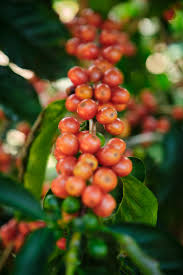
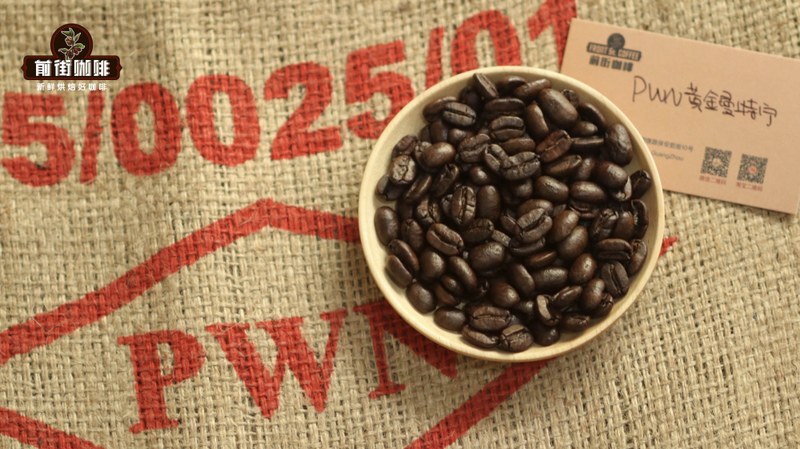
If you prefer a low-acid, full-bodied cup, Qianjie PWN Indonesia Golden Mandheling can be considered among the medium-dark roast options. It carries herbal notes, dark chocolate character and a steadier mouthfeel; when made as a short espresso on a fully automatic machine, the flavor is concentrated and deep; after switching to a large Americano, the mellow body is still obvious, making it suitable with bread, nuts or breakfast foods.
For machine parameters, you can start with the approach of "fix two items, adjust one," though the object of adjustment should be combined with the menu design of the fully automatic machine. First keep the same dose and beverage program, and change only the grind setting; if the coffee flows too fast, looks light and tastes empty, you can adjust one step finer; if dispensing is too slow or the finish tastes bitter, adjust one step coarser. After each adjustment, make two cups in a row and wait for residual grounds to be expelled, so the judgment will be more consistent.
A fully automatic machine's milk coffee program usually automatically completes milk frothing and mixing, so the concentration of the beans is crucial. If you often drink lattes, choose medium-dark roasted beans with clear sweetness, so the coffee liquid has more presence in the milk; if you mainly drink Americanos, you can choose a medium-roast blend, preserving more aroma and refreshment. The machine's milk tube, brewing unit and grounds container should also be cleaned according to the instructions; a clean internal state will make the beans perform more consistently.
When loading beans, there is no need to pour the whole bag into the hopper at once; replenishing according to about one week's usage makes it easier to maintain aroma. The bean hopper should avoid sunlight, heat sources and moisture; before taking beans, confirm there are no old beans left inside, and after changing beans, let the machine run once or twice so the flavor transitions gradually. By choosing beans according to the grinder setting, temperature options and the drinks you often make, a fully automatic coffee machine can also consistently present clear, smooth everyday flavor.
Related Reading

Comments (0)
Loading comments...
You May Be Interested


Trending Reviews
Popular Videos

With you, wherever you are! We provide useful features to help you find new things you'll love






