Source:Best Coffee > News Author:qjroot Published:2025-01-12 15:22:25
Brazilian coffee has long been characterized by low acidity, nutty and chocolate notes, and a balanced body, which are the typical flavor traits of American coffees. That is why Brazilian coffee so often appears in espresso blends. So why does Brazilian coffee taste nutty?
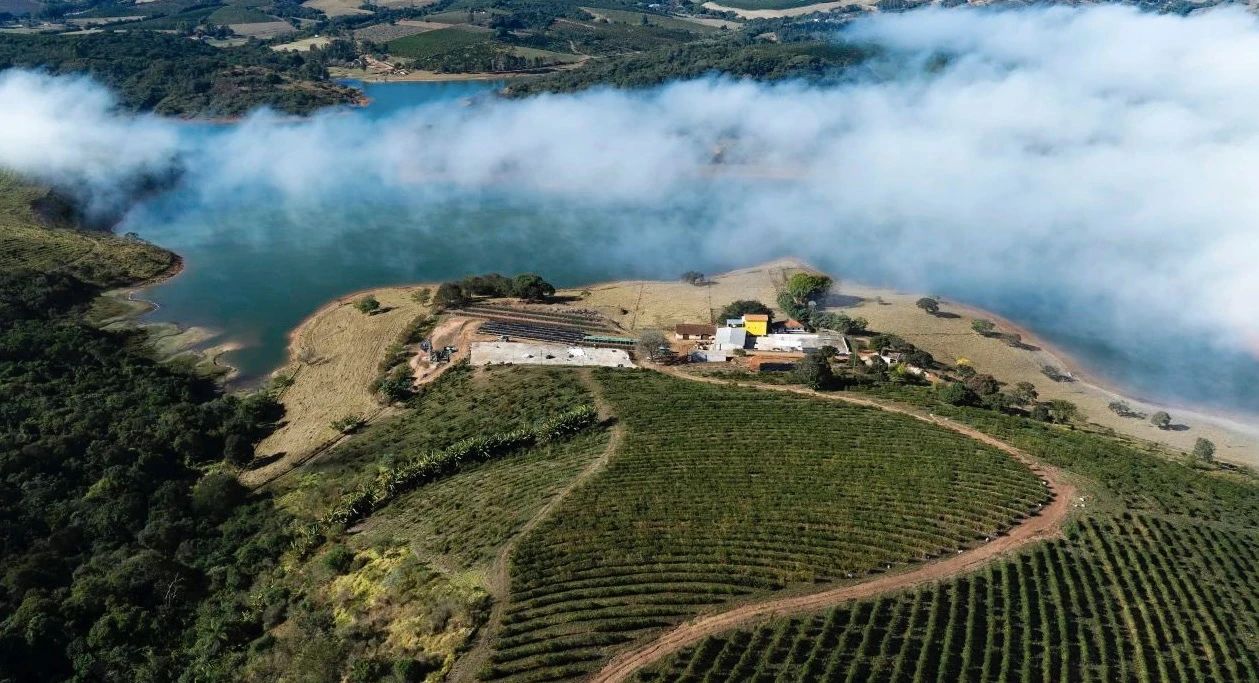
First, Brazil is the world's largest coffee producer, accounting for 30% of total global coffee bean production, and this output stems from Brazil's geographical environment. Brazil is the largest country in South America, with a vast territory and abundant resources. Coffee is mainly grown on the flat plateaus of the country's south-central region, generally at elevations of around 1,000 m. The scale is enormous, and no other coffee-producing country comes close to Brazil's scale of coffee production.
As is well known, the higher the elevation at which coffee grows, the lower the density of the coffee beans and the greater their hardness, and the temperature difference between day and night can slow the growth rate of the coffee fruit, developing more flavor. But in Brazil, coffee is grown at relatively low elevations on flat terrain, lacking microclimates, and the coffee trees are exposed directly to the sun without shade. As a result, Brazilian coffee beans do not have the rich floral and fruity acidity of Ethiopian coffee; instead, they have a soft-bean flavor, low acidity, a pronounced nutty flavor and a fuller body.
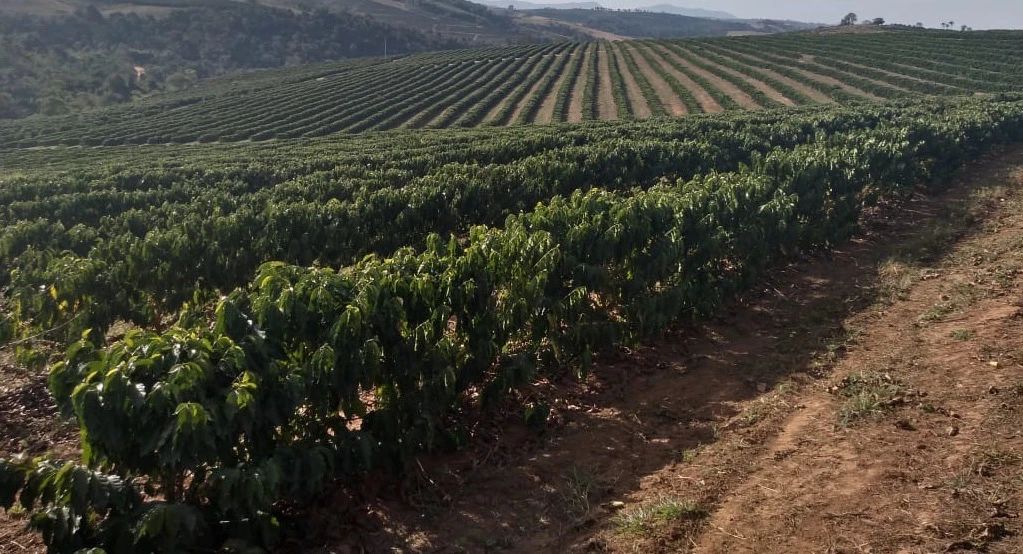
In addition, the heavy nutty flavor is also related to the Pulped Natural process commonly used in Brazil. Brazil began growing coffee as early as the 18th century. Initially, Brazil used the washed and natural processes to process coffee, but not many regions in Brazil had the funds and water sources to complete such washed processing, while the natural process required a longer drying time, and in the past the equipment was crude, so the quality was low. Thus, Brazil developed the Pulped Natural process, a method between washed and natural.
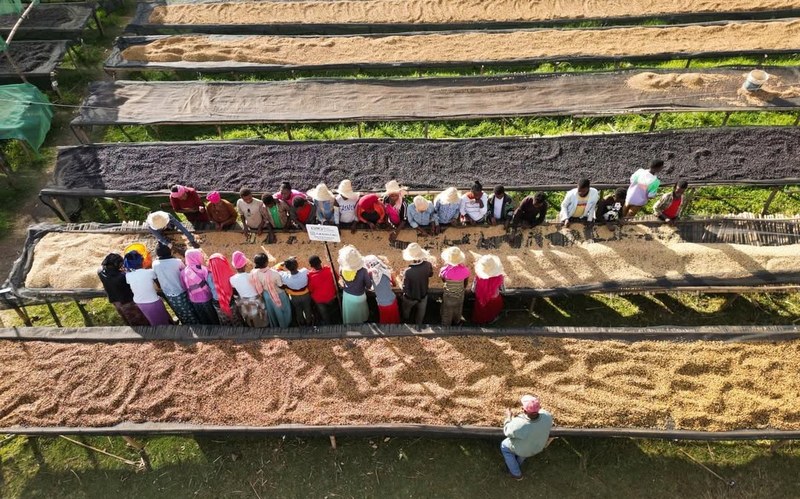
The first half of the Pulped Natural method is similar to washed processing: the harvested coffee cherries are cleaned and floated, then passed through a pulper, where the seeds inside the fruit are extracted by squeezing, and a mucilage machine is used to remove the mucilage, after which they are directly sun-dried.
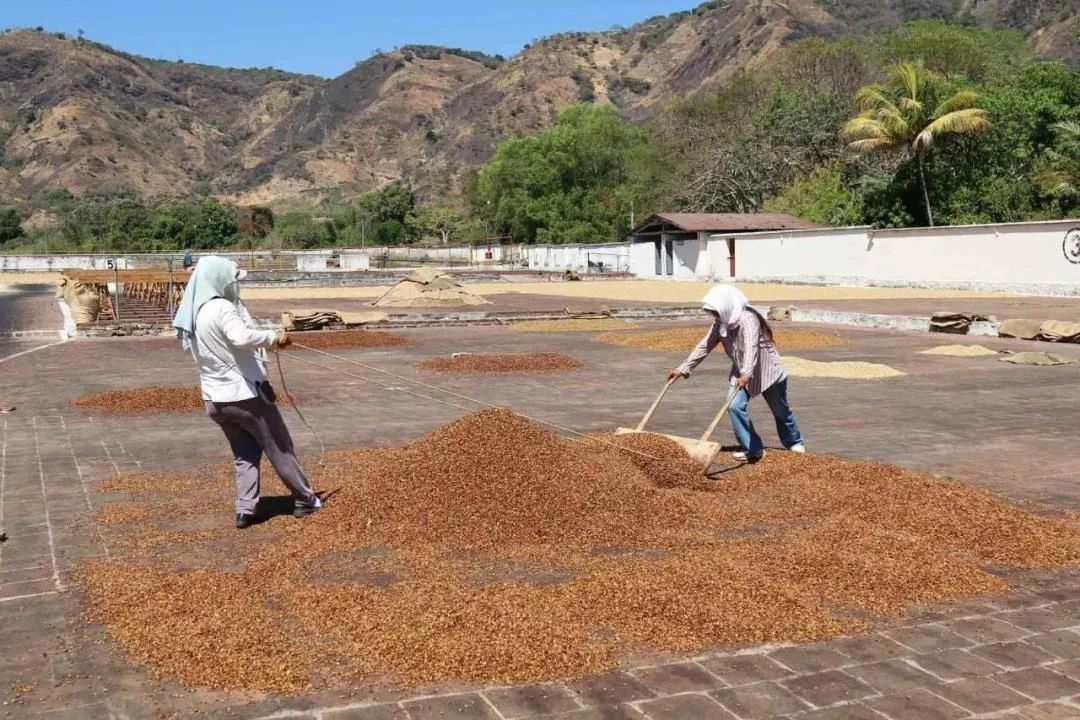
This method reduces the tank fermentation process of the washed method and can reduce water usage. In addition, removing the skin, pulp and mucilage before sun-drying greatly shortens the drying process and saves time and cost. It can be seen that the semi-washed method has less fermentation process, can reduce the risk of over-fermentation or under-fermentation, and improves the quality of the coffee beans. But at the same time, lacking the fermentation process, the flavor is not as rich and complex as with a fermentation process, and is slightly monotonous.
In recent years, Brazil has not single-mindedly pursued yield; it also pursues coffee quality and flavor. Brazilian farms and industry associations attach great importance to research on quality and technology, and have long focused on the preservation, genetic research and breeding of different plants and species including coffee, making Brazilian coffee rank among the world's leaders in many aspects such as genetic breeding and sustainable development.
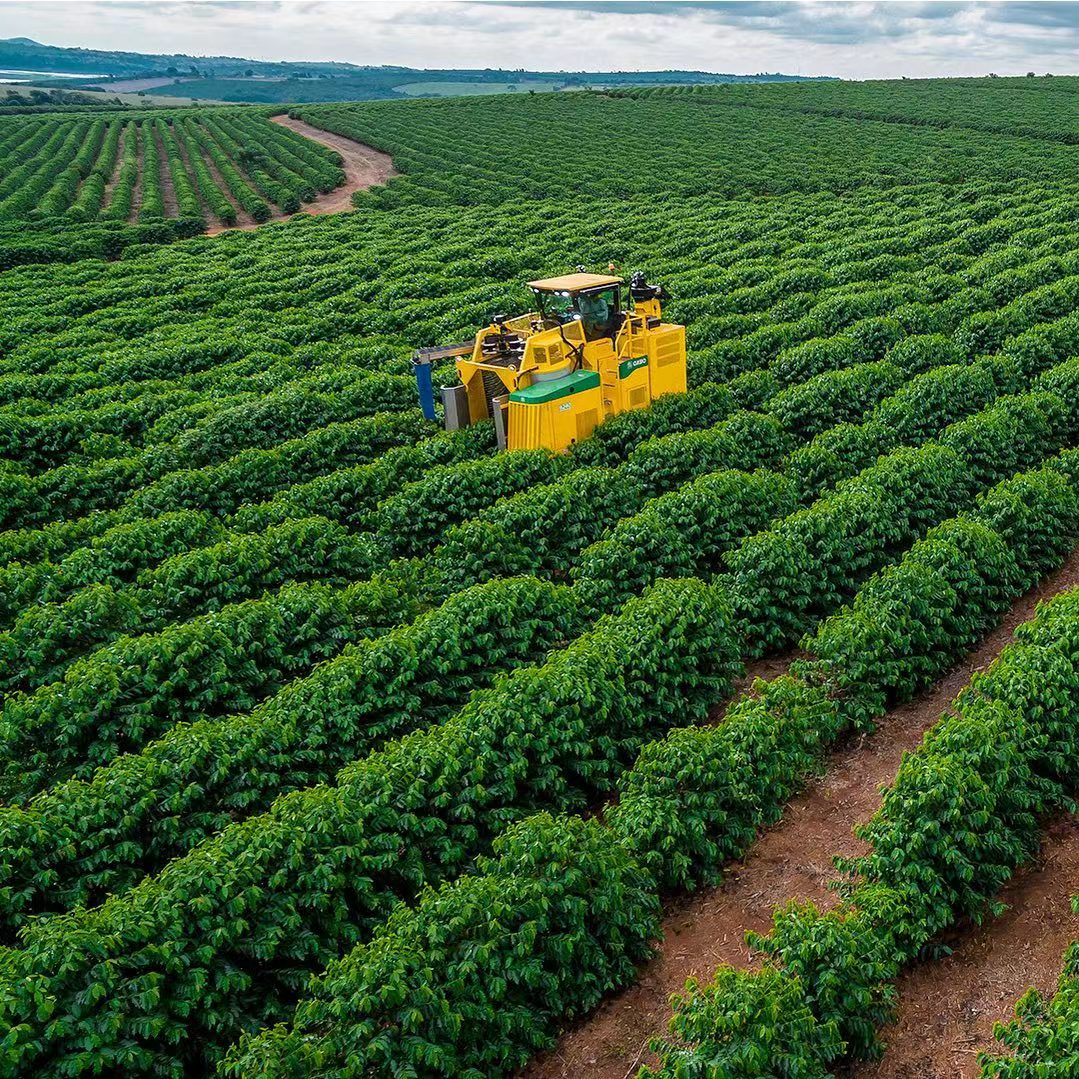
It has also delineated specialty coffee regions, including sub-regions such as Alta Mogiana, Cerrado and Sul de Minas. These regions are all located in mountainous areas, where the growing altitude is higher, while mechanical operations are reduced and hand-picking is used to improve quality.
In addition, because Brazilian coffee has the characteristics of low acidity and nutty and chocolate flavors, Brazilian coffee is not very suitable for a light roast, since a light roast will produce sourness, but this kind of acidity is not pleasing. Instead, most Brazilian coffee is given a medium-dark roast; a dark roast can better highlight the flavor characteristics of Brazilian coffee and, through the caramelization reaction, make the coffee sweeter.
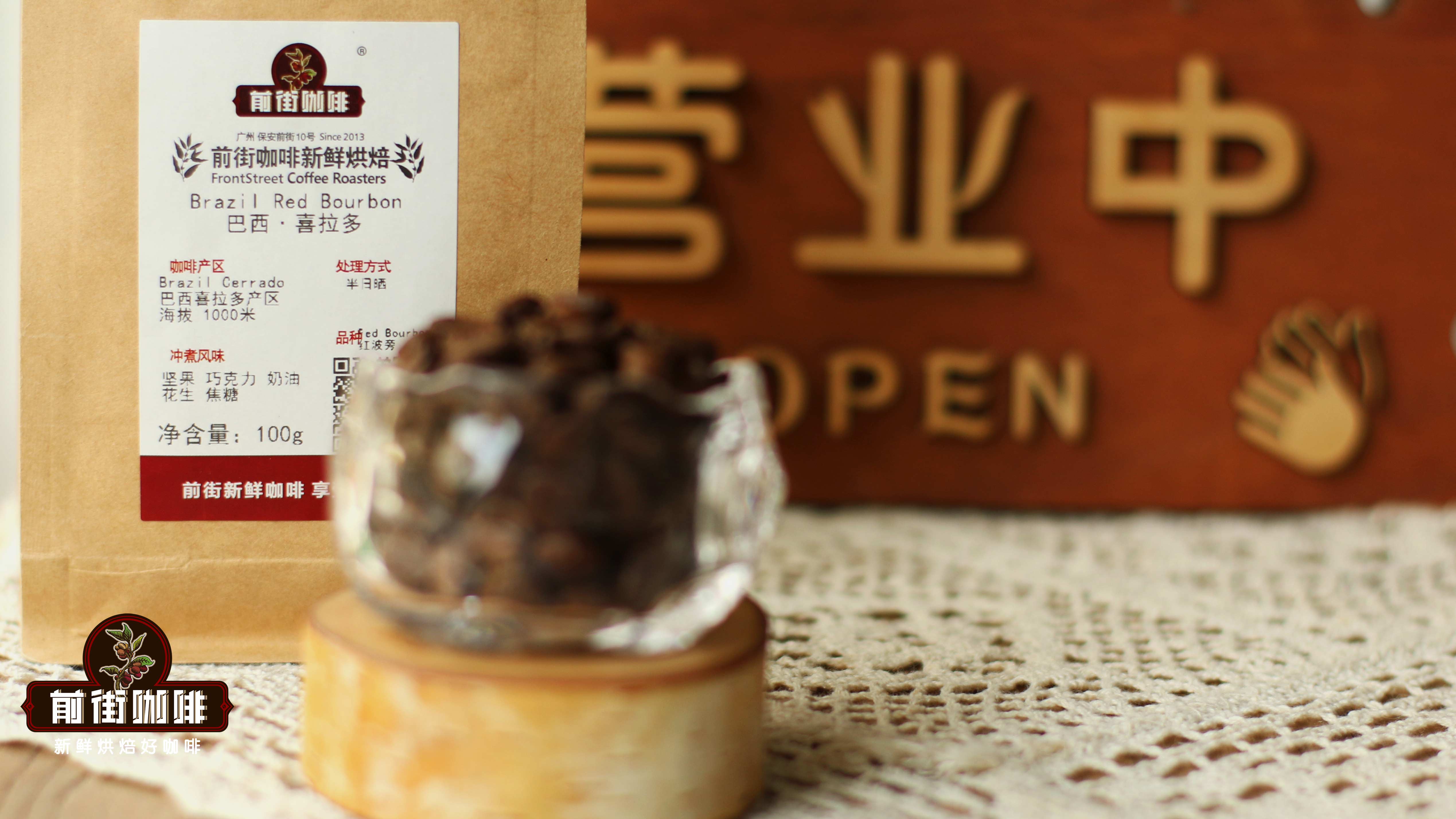
As with FrontStreet Coffee's Brazil Cerrado Red Bourbon coffee beans, processed using the semi-washed method and roasted to a medium-dark level, brewing by pour-over can specifically bring out nutty and chocolate notes, with a sweet aftertaste and a clean, smooth mouthfeel.
To learn more about coffee origins and news, please scan the QR code to follow: Kaping
Long-press the QR code to follow:

TRANSLATE with x
English
TRANSLATE with
COPY THE URL BELOW
EMBED THE SNIPPET BELOW IN YOUR SITE Bing Webmaster Portal
Related Reading





Comments (0)
Loading comments...
You May Be Interested




Trending Reviews
Popular Videos

With you, wherever you are! We provide useful features to help you find new things you'll love






