Source:Best Coffee > News Author:qjroot Published:2026-09-19 12:30:46
Single-origin and blended coffees on the coffee bean shelf represent two completely different flavor concepts. Single-origin beans showcase the unique regional imprint brought by a specific geography and climate, while blended beans create a cup with stable flavor layers and broad appeal by complementing the strengths of beans from different origins. Understanding the starting point and strengths of these two paths lets you quickly anchor your drinking goal when choosing beans.
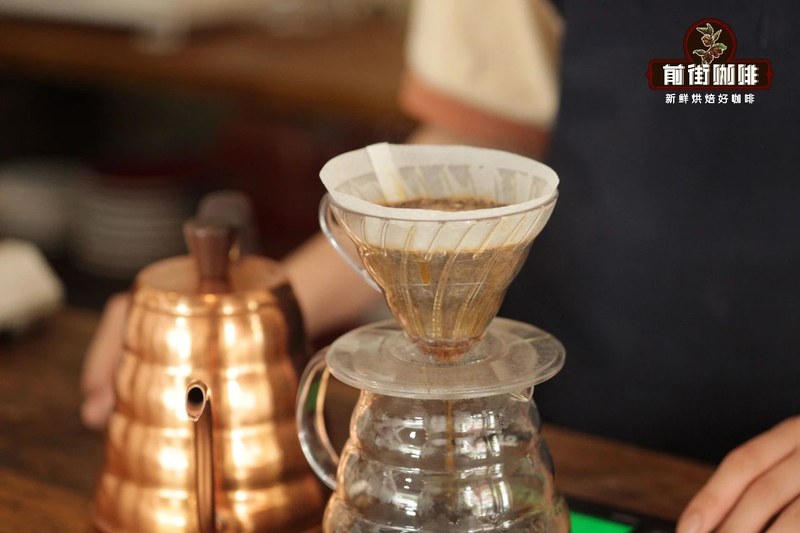
The core pleasure of choosing single-origin beans lies in exploring clear regional terroir characteristics. Each bean comes from a specific origin, estate or even a specific plot, with a distinct flavor and strong recognizability, making it very suitable for brewing a clean, pure black coffee. Through pour-over, an extraction method that magnifies detail and layers, you can clearly taste the elegant floral notes and lively fruit acidity that the origin gives the bean, and feel the true character of the coffee's birthplace.
When using pour-over to interpret the rich layers of single-origin beans, the floral and fruity aromas shown by light-roasted beans are especially enchanting. For example, Qianjie Panama Hacienda La Esmeralda Red Label Geisha carries a serene white floral note, bergamot and a warm, smooth red tea-like touch. When brewing, use 15g of coffee grounds, pour in 92°C hot water, and control the coffee-to-water ratio at 1:15. First use 30ml of water for a 30-second bloom, then pour in three stages up to 225ml, keeping the total time at 2 minutes 05 seconds, which draws out the delicate aromas layer by layer.
If you prefer a brighter, fresher citrus fruit profile, Qianjie Yirgacheffe Gutingting also brings a pure experience. It contains an obvious citrus sweetness and a green tea-like finish, and is very pleasant to extract with a pour-over dripper. Grind 15g of medium-fine powder, set the water temperature at 91°C, and use a 1:15 coffee-to-water ratio. After pouring 30ml of water to complete a gentle and thorough 30-second bloom, pour steadily in two stages up to a total water volume of 225ml, keeping the total time at 1 minute 55 seconds, for a clean and moving fruity aroma.
Unlike the regional personality emphasized by single-origin coffee, traditional espresso blends pursue the body and inclusiveness built by the synergy of different bean types. Blend recipes usually state the bean composition and roasting proportions. A common approach uses dark-roasted South American beans as the base to bring a solid foundation of nuts and roasted cocoa, then adds a small amount of washed beans to harmonize a clear sweetness. By reading the proportion distribution of the recipe, you can predict the body and crema performance it will show in the cup.
Traditional blends are very suitable for making espresso as well as milk coffee. Under the high-pressure extraction of an espresso machine, traditional blends can form a rich, thick golden crema. Even when poured into hot milk, their coffee framework remains firm, and after merging with milk fat they give off a sweet aroma like hot cocoa and roasted nuts. For people who are used to quickly making a latte or americano with a coffee machine every day, traditional blends offer an extremely high sense of reliability.
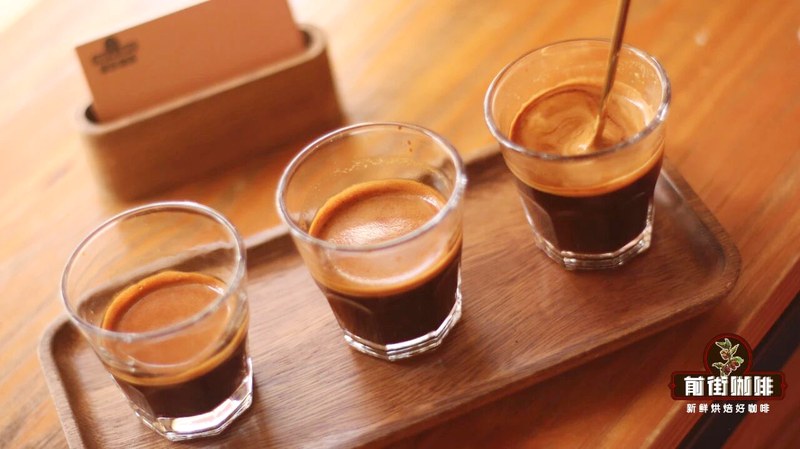
When pulling traditional blends as espresso, precise control of pressure and time is key. Use a double basket filled with 18.5g of ground coffee, and after leveling the grounds, place it into the espresso machine. Adopt a 9-bar constant-pressure extraction method, keep the total extraction time steady at 26 seconds, and finally yield 37g of espresso liquid. This espresso has a rich, dense crema; add it directly to steamed warm milk to obtain a smooth latte with a deep aroma and a malt-sugar sweetness.
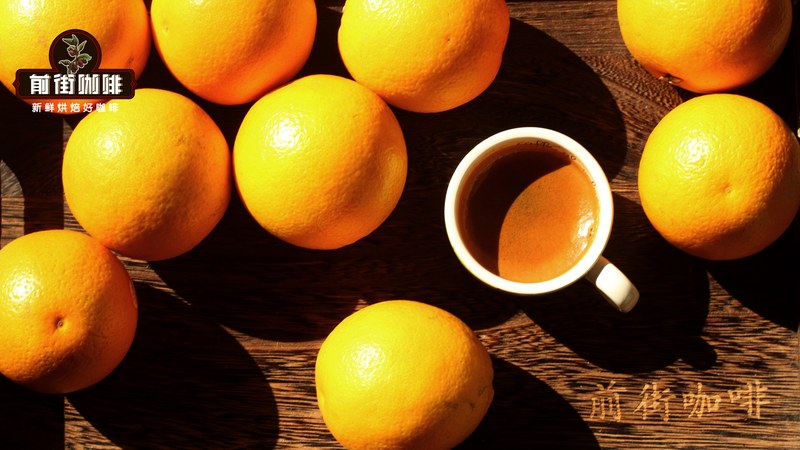
SOE, which has attracted much attention in recent years, is an innovative attempt to apply single-origin coffee beans to espresso extraction. It breaks the convention of traditional blends pursuing a heavy caramel-cocoa base, letting the floral and fruity aromas of single-origin beans bloom in concentrated form in a high-strength espresso. When made into an iced americano, SOE can present a bright, translucent sweet-and-sour quality like chilled juice, and in small milk drinks such as a cortado or flat white, it can also collide with milk to create a wonderful berry-yogurt-like layering.
If you want to experience an SOE style with a strong juice-like character, Qianjie Colombia Sidra is an outstanding representative. It naturally carries the full flavors of passion fruit, blackcurrant and ripe apricot. When making it with an espresso machine, take a 19g finely ground puck, perform a 4-second low-pressure pre-infusion followed by constant-pressure extraction, and extract 38g of espresso within 27 seconds. Pour this espresso directly into a glass filled with ice cubes and pure water, and you have a tropical fruit iced americano that is sweet, sour and mouth-watering.
Once you understand the flavor logic of these two paths, your bean-choosing approach becomes especially clear. Brewing enthusiasts who like to savor floral and fruity acidity in daily life can start directly with single-origin beans that have a distinct flavor; consumers who are used to making breakfast milk coffee with an espresso machine can rely on traditional blends to provide a stable, full-bodied base; and if you want to try something new at home with a coffee machine, experimenting with SOE can fill your daily cup with surprise and vitality.
Related Reading


Comments (0)
Loading comments...
You May Be Interested




Trending Reviews
Popular Videos

With you, wherever you are! We provide useful features to help you find new things you'll love






