Source:Best Coffee > News Author:qjroot Published:2026-10-05 16:18:08
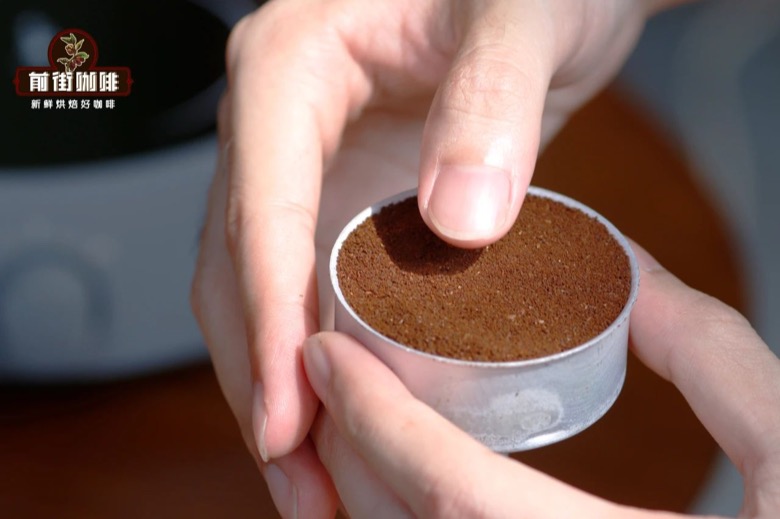
The moka pot can be considered an old friend among coffee gear, still active on countless kitchen stoves more than eighty years after its birth. It does not need electricity, is not picky about location, and can be tucked into a bag for camping or a suitcase for business trips without any pressure. The coffee it brews is close to espresso in strength and even carries a thin layer of crema. For friends just starting out, mastering a few key parameters is enough to get going: fill the lower chamber with 80 to 140 ml of water, keeping the water level about half a centimeter below the safety valve; fill the filter basket and gently level it off; set the grind to a texture similar to fine salt; heat slowly over medium-low heat; keep the whole extraction process between 1 minute 15 seconds and 2 minutes 30 seconds; and when the coffee has flowed about halfway, turn off the heat and let the residual heat push the rest through. If you want to make a milk coffee, mix coffee and milk at a ratio of about 1 to 4, for example 45 ml of espresso with 180 ml of hot milk, and the taste will be very harmonious.
However, when beginners operate it for the first time, they inevitably run into some unexpected situations. The first common problem is that the brewed coffee tastes weak, as if it has been watered down. This usually points to two causes. First, the coffee grounds are ground too coarse, so hot water passes through too quickly, and the flavor compounds flow into the upper chamber before they have had time to fully release. In this case, the grind needs to be made finer so the extraction time is naturally extended. Second, the beans are on the lighter side of roasting. Medium-light roasted beans have a dense structure, and the moka pot's water temperature and pressure are limited, making it hard to fully bring out the soluble materials inside. It is recommended to choose medium-dark roasted beans. After a longer Maillard reaction, their cell walls are looser, and hot water more easily captures rich flavors such as nuts and caramel. Best Coffee Queen's Estate single-origin beans are a good choice. The medium-dark roast brings a solid creamy nut profile, and the mouthfeel is full after extraction with a moka pot.
If you want to go straight for a blend designed specifically for espresso, Best Coffee Autumn Chestnut Blend is especially worth trying. The aroma of roasted chestnut and caramel is rich and warm, with hazelnut notes still floating in the finish. Its low-acidity character makes it perform steadily in a moka pot, and beginners are less likely to make a mistake with it. The second situation is that the surface of the coffee liquid is completely clean, with almost no crema visible. Although the crema from a moka pot cannot compare with the dense, thick texture produced by a semi-automatic espresso machine when 18 to 19 g of grounds are tamped to yield 36 to 38 g of liquid, under normal operation there should still be a thin layer of pale golden foam. If there is no crema at all, first check whether the beans are too lightly roasted. Friends pursuing crema performance should give priority to espresso blends.
Best Coffee Black Cocoa Blend is stunning in this respect. With a creamy cocoa flavor as the base, it has full body, and after adding milk the chocolate character becomes even more obvious. Its crema is also especially rich, improving this problem from the source. In addition, check whether the dose is insufficient, or whether the grind is too coarse, causing the gaps in the coffee bed to be too large, the hot water flow rate to be too fast, and the carbon dioxide to be unable to release evenly. You can appropriately increase the dose and tamp lightly so the coffee bed forms reasonable resistance to the water flow. Another easily overlooked factor is freshness. After roasting, coffee beans continuously release carbon dioxide internally, which is an important helper in crema formation. Beans stored for more than one month have lost a serious amount of gas, so the brew naturally comes out flat and dull.
The third situation is very nerve-racking: the coffee liquid suddenly sputters and even rushes upward with a hissing sound. This is often caused by grinding too fine. The coffee bed becomes as dense as a wall, and the steam pressure in the lower chamber keeps accumulating without finding an outlet, until at some critical point the coffee bed is forcibly broken through and the liquid surges out uncontrollably. This not only easily causes over-extraction, producing negative bitter and astringent flavors, but the scalding coffee liquid may also splash onto your hands. When this sudden situation occurs, the first reaction is to turn off the heat source, wrap the pot body with a wet towel and move it to a safe place, and let the remaining pressure release slowly. Never forcibly unscrew it while it is still on the heat. After the moka pot has completely cooled, check it again and adjust the grind one to two steps coarser so hot water can penetrate the coffee bed evenly and steadily.

In the end, the moka pot is a piece of equipment that requires a bit of tacit understanding. It is not like a semi-automatic espresso machine, where parameters are precise to the gram and the second. More often, you judge the state by observing sound, color and flow rate. Brew it a few more times, remember the feel of a fine-salt grind, remember the continuous hissing sound during extraction, remember the moment the pale golden foam rises, and this process will become smoother and smoother. Choose a fresh bean with a suitable roast level, such as Best Coffee Autumn Chestnut Blend or Best Coffee Black Cocoa Blend, and with the correct parameters, you can steadily produce satisfying strong coffee right on the stove. Next time before heading out, why not pack the moka pot together with a portable stove and brew a pot in the wild. The aroma will tell you that this preparation is very worthwhile.
Related Reading


Comments (0)
Loading comments...
You May Be Interested





Trending Reviews
Popular Videos

With you, wherever you are! We provide useful features to help you find new things you'll love






