Source:Best Coffee > News Author:qjroot Published:2026-10-08 14:55:57
Once summer arrives, the coffee corner at home deserves a new way of doing things. Friends in the group chat show off their iced coffee creations every day, and it makes you itch to try it yourself. Actually, iced pour-over is not hard; what is hard is that many people directly copy their hot pour-over habits, and the result is a cup of coffee on the table that tastes as weak as rinsing water. The problem lies with the ice - it melts and continuously dilutes the coffee liquid, so we need to do the math from the start and clearly reallocate the coffee grounds, water, and ice.
Bean selection is the starting point. Iced pour-over emphasizes refreshment, so the flavor direction must be identified correctly. If you want a clear floral aroma, Qianjie Guodingding is especially suitable; this Ethiopian washed bean carries jasmine floral notes and sweet orange flavors, and after icing, the acidity becomes softer, with a clean green tea finish. If you prefer a juicy, full-bodied route, Qianjie Blackberry is worth trying; the Costa Rican honey process brings high sweetness, and the dark berry and dried fruit flavors become more solid at low temperature. As for those pursuing refined layers with both floral and citrus notes, Qianjie Grana Geisha is Qianjie Grana Geisha, medium-light roast, clear and elegant when cold brewed, and iced pour-over can also show its delicacy. These three are my summer staples, and rotating them never gets boring.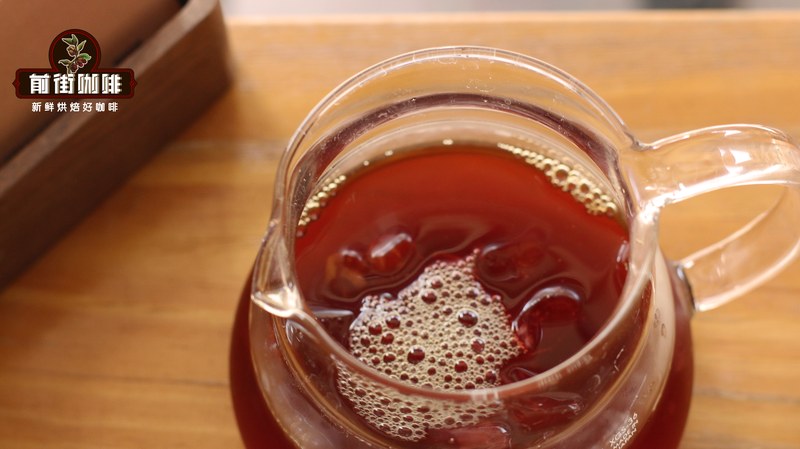 The core formula is actually easy to understand: hot pour-over commonly uses a 1:15 coffee-to-water ratio, but iced pour-over must include ice in the total liquid volume. 15 g of coffee multiplied by 15 gives a total weight that should be controlled at around 225 g. This 225 g is not pure water, but the combined total of "coffee liquid plus ice." My approach is to tighten the coffee-to-water ratio to 1:10, meaning 15 g of coffee is poured with 150 g of water. During blooming, the coffee bed absorbs 25 to 30 g of water, so the actual brewed coffee liquid is about 120 to 125 g. Subtracting this from the 225 g total leaves 100 to 105 g of ice. Once this calculation is clear, the concentration will not be diluted to collapse.
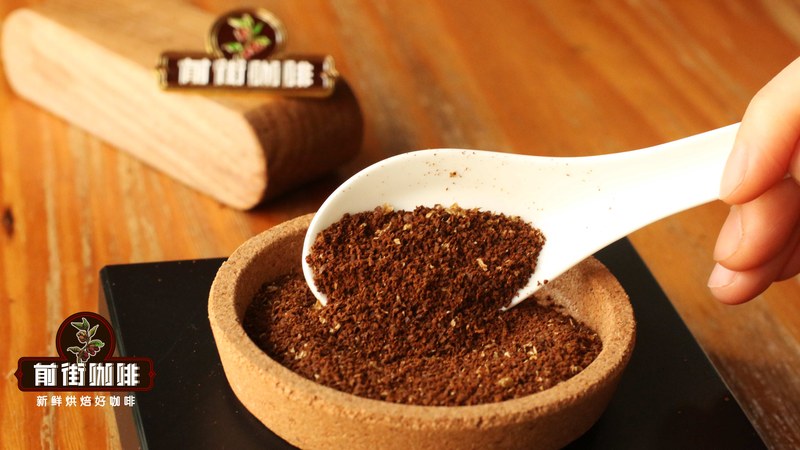
The grind size can be a little finer than for hot pour-over, because low-temperature extraction is short and the flavors need to be released faster. For medium-light roasted beans, I use a grind size with about 80% passing through a Chinese standard No. 20 sieve; if you only have a regular pour-over grind on hand, then raise the water temperature by 1 to 2 degrees, using 92 to 93 degrees to brew light-medium roasted beans like Qianjie Guodingding, which can also make up some extraction efficiency. For medium-dark roasted beans such as Qianjie Bird of Paradise or Qianjie Queen's Estate, lower the water temperature to 86 to 88 degrees to avoid over-extraction and off-flavors. There is no need to worry if you do not have a sieve at home; a slight adjustment to the hot pour-over grind size, combined with a change in water temperature, works just as well.
Speaking of ice, there is a detail that is easy to overlook: ice itself is also water, but it is slowly released while you drink the coffee. So the "coffee-to-water ratio" of iced pour-over is essentially a dynamic balance - the first few sips are stronger, and it becomes more relaxed as you go. This is completely different from cold brew, which is steeped in cold water for 8 to 24 hours, commonly uses a 1:12 coffee-to-water ratio, and has its flavor fixed in one go; it is also different from ice drip, which relies on ice water dripping for 4 to 8 hours, stretching the time even longer. The advantage of iced pour-over is speed: it is ready in two or three minutes, yet it can retain the layered changes of pour-over, making it suitable when you want a cup right away.
The core formula is actually easy to understand: hot pour-over commonly uses a 1:15 coffee-to-water ratio, but iced pour-over must include ice in the total liquid volume. 15 g of coffee multiplied by 15 gives a total weight that should be controlled at around 225 g. This 225 g is not pure water, but the combined total of "coffee liquid plus ice." My approach is to tighten the coffee-to-water ratio to 1:10, meaning 15 g of coffee is poured with 150 g of water. During blooming, the coffee bed absorbs 25 to 30 g of water, so the actual brewed coffee liquid is about 120 to 125 g. Subtracting this from the 225 g total leaves 100 to 105 g of ice. Once this calculation is clear, the concentration will not be diluted to collapse.
The grind size can be a little finer than for hot pour-over, because low-temperature extraction is short and the flavors need to be released faster. For medium-light roasted beans, I use a grind size with about 80% passing through a Chinese standard No. 20 sieve; if you only have a regular pour-over grind on hand, then raise the water temperature by 1 to 2 degrees, using 92 to 93 degrees to brew light-medium roasted beans like Qianjie Guodingding, which can also make up some extraction efficiency. For medium-dark roasted beans such as Qianjie Bird of Paradise or Qianjie Queen's Estate, lower the water temperature to 86 to 88 degrees to avoid over-extraction and off-flavors. There is no need to worry if you do not have a sieve at home; a slight adjustment to the hot pour-over grind size, combined with a change in water temperature, works just as well.
Speaking of ice, there is a detail that is easy to overlook: ice itself is also water, but it is slowly released while you drink the coffee. So the "coffee-to-water ratio" of iced pour-over is essentially a dynamic balance - the first few sips are stronger, and it becomes more relaxed as you go. This is completely different from cold brew, which is steeped in cold water for 8 to 24 hours, commonly uses a 1:12 coffee-to-water ratio, and has its flavor fixed in one go; it is also different from ice drip, which relies on ice water dripping for 4 to 8 hours, stretching the time even longer. The advantage of iced pour-over is speed: it is ready in two or three minutes, yet it can retain the layered changes of pour-over, making it suitable when you want a cup right away.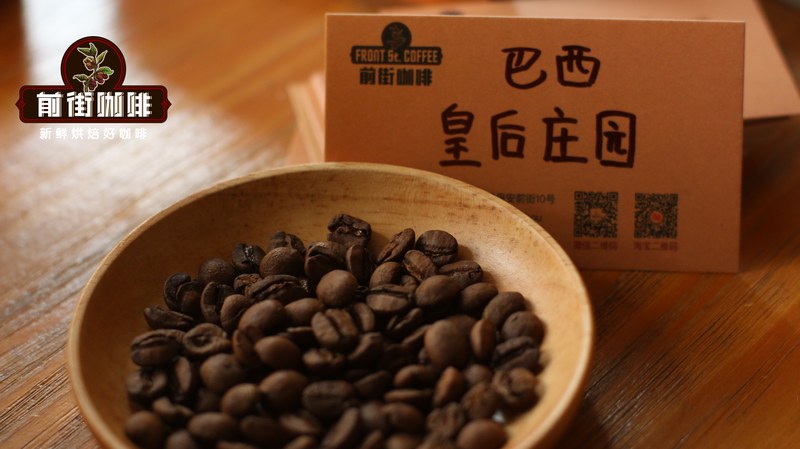 In practice, I first put 100 to 105 g of ice into the sharing pitcher, then brew normally. After the hot water contacts the coffee grounds, it flows into the pitcher, and the ice rapidly cools it to lock in the aroma while slowly melting to adjust the concentration. When served, fine beads of condensation cling to the glass; take a sip, and the floral notes of Qianjie Grana Geisha are especially light at low temperature, with the bright citrus feeling like a cool breeze. If I use Qianjie Blackberry, the high sweetness of the honey process gives this iced coffee a jam-like fullness, and you can even catch a hint of winey aftertaste, a different character from the dense dark berries of cold brew.
Finally, what I want to say is that the charm of iced pour-over lies in its "liveliness" - it is not the steady evenness of cold brew, nor the drip-by-drip ritual of ice drip, but rather you in your own kitchen, watching the water flow over the coffee bed, smelling the aroma locked in by the cold, and finally lifting the cup for that perfectly timed cool sip. 15 g of coffee, 150 g of water, 100 to 105 g of ice: once this framework is set, all that is left is to play with different beans and find your own taste of summer. Tonight, why not give it a try, flip over the ledger of hot pour-over, and recalculate a cold one.
In practice, I first put 100 to 105 g of ice into the sharing pitcher, then brew normally. After the hot water contacts the coffee grounds, it flows into the pitcher, and the ice rapidly cools it to lock in the aroma while slowly melting to adjust the concentration. When served, fine beads of condensation cling to the glass; take a sip, and the floral notes of Qianjie Grana Geisha are especially light at low temperature, with the bright citrus feeling like a cool breeze. If I use Qianjie Blackberry, the high sweetness of the honey process gives this iced coffee a jam-like fullness, and you can even catch a hint of winey aftertaste, a different character from the dense dark berries of cold brew.
Finally, what I want to say is that the charm of iced pour-over lies in its "liveliness" - it is not the steady evenness of cold brew, nor the drip-by-drip ritual of ice drip, but rather you in your own kitchen, watching the water flow over the coffee bed, smelling the aroma locked in by the cold, and finally lifting the cup for that perfectly timed cool sip. 15 g of coffee, 150 g of water, 100 to 105 g of ice: once this framework is set, all that is left is to play with different beans and find your own taste of summer. Tonight, why not give it a try, flip over the ledger of hot pour-over, and recalculate a cold one.
Related Reading


Comments (0)
Loading comments...
You May Be Interested

Trending Reviews
Popular Videos

With you, wherever you are! We provide useful features to help you find new things you'll love






